Travel advice for Ireland.

Here you will find important tips and useful information for Ireland.

No results bt Bhutan kn St. Kitts und Nevis mz Mozambique pw Palau lc St. Lucia ss South Sudan tm Turkmenistan ag Antigua und Barbuda bn Brunei Darussalam ve Venezuela ug Uganda cf Central African Republic zm Zambia gw Guinea-Bissau mv Maldives kr South Korea cm Cameroon sc Seychelles tg Togo sd Sudan md Moldova td Chad at Austria ba Bosnia and Herzegovina ca Canada bw Botswana lb Lebanon rs Serbia lt Lithuania ky Cayman Islands gb-nir Northern Ireland kp North Korea me Montenegro es Spain pt Portugal cz Czech Republic ke Kenya kh Cambodia pa Panama tn Tunesia pk Pakistan af afghanistan so Somalia cl Chile sk Slovak Republic cg Congo (Brazzaville) ng Nigeria gh Ghana ci Ivory Coast re Réunion rw Rwanda pg Papua New Guinea hr Croatia us USA pe Peru vu Vanuatu ga Gabon py Paraguay kg Kyrgyzstan xk Kosovo bj Benin sl Sierra Leone hk Hong Kong uy Uruguay ws Samoa cu Cuba ua Ukraine sm San Marino tj Tajikistan gp Guadeloupe ir Iran mr Mauritania ma Morocco mm Myanmar do Dominican Republic mw Malawi tw Taiwan co Colombia ru Russia ne Niger bm Bermuda sa Saudi Arabia gt Guatemala bf Burkina Faso hn Honduras lu Luxembourg cd Congo Dem. Rep. qa Katar / Qatar gn Guinea bb Barbados gy Guyana mc Monaco by Belarus pr Puerto Rico th Thailand mo Macau bi Burundi il Israel bo Bolivia be Belgium fi Finland my Malaysia br Brazil am Armenia gd Grenada cv Cape Verde cn China tr Turkey ae United Arab Emirates bz Belize aw Aruba sn Senegal ph Philippines Lesser Antilles nc New Caledonia kw Kuwait ro Romania cy Cyprus bg Bulgaria ni Nicaragua gm Gambia ls Lesotho np Nepal id Indonesia la Laos to Tonga vn Viet Nam om Oman mq Martinique gb-eng England nr Nauru is Iceland sg Singapore pl Poland ee Estonia sv El Salvador nl Netherlands ao Angola mx Mexico ly Libya mu Mauritius jp Japan lv Latvia bs Bahamas fm Micronesia bh Bahrain dk Denmark ye Yemen dj Djibouti tv Tuvalu dz Algeria na Namibia gr Greece ad Andorra sr Suriname fr France se Sweden cr Costa Rica ml Mali mt Malta uz Uzbekistan lr Liberia de Germany lk Sri Lanka tz Tanzania ge Georgia pf French Polynesia ck Cook Islands ec Ecuador ar Argentina li Liechtenstein nz New Zealand za South Africa au Australia tt Trinidad and Tobago az Azerbaijan mg Madagascar bd Bangladesh si Slovenia it Italy km Comoros iq Iraq jm Jamaica er Eritrea sy Syria hu Hungary et Ethiopia mn Mongolia kz Kazakhstan jo Jordan al Albanie in India gb-sct Scotland zw Zimbabwe va Vatikanstadt no Norway ie Ireland eg Egypt ht Haiti fj Fiji mk Macedonia ch Switzerland

Order Euro.
Delivered to your doorstep.

Over 60 currencies at the click of a button – order today, delivered tomorrow. Safe and convenient, with no need for a branch. Available exclusively and only orderable in the app with a Swiss Bankers card.

Learn more
Ireland
Import local currency unlimited; the equivalent of EUR 10'000.00 or more must be declared
Import foreign currency unlimited; EUR 10'000.00 (equivalent) or more must be declared
Export local currency unlimited; the equivalent of EUR 10'000.00 or more must be declared
Export foreign currency unlimited; EUR 10'000.00 (equivalent) or more must be declared

Useful tips from our experts:

Transfer money worldwide with Send.

Send is the convenient and reliable money transfer service: you can send money quickly and securely to your relatives and friends abroad using your smartphone.

More about Send

Currency
EUR

Send money from
Mastercard card

Practical Information:

Time difference with Switzerland

-1 h

Capital

Dublin

National language

Official language

Irish and English

Voltage

230 volts / adapter required

Opening hours

Banks
9.30 a.m. - 4.30 p.m. (Mon - Fri)

Some larger bank branches may also be open for limited hours on Saturdays.

Shops
9.00 a.m. - 6.00 p.m. (Mon - Sat)

Opening hours vary according to the type and location of the shop. In urban areas such as Dublin, shops may remain open longer than in rural areas. Some shops may also open on Sundays, particularly in larger shopping centres and tourist areas.


Public holidays
  • 1 January: New Year’s Day (Lá Bliana Nua)

  • First Monday in February: Saint Brigid’s Day (Lá Fhéile Bríde)

  • 17 March: Saint Patrick’s Day (Lá Fhéile Pádraig)

  • Friday before Easter: Good Friday; not a statutory public holiday, although banks, schools and public offices are generally closed

  • Easter Monday: Luan Cásca

  • 1 May: Labour Day (Lá an Lucht Oibre)

  • First Monday in June: June Bank Holiday (Lá Saoire i mí Mheitheamh)

  • First Monday in August: August Bank Holiday (Lá Saoire i mí Lúnasa)

  • Last Monday in October: October Bank Holiday (Lá Saoire i mí Dheireadh Fómhair)

  • 25 December: Christmas Day (Lá Nollag)

  • 26 December: Saint Stephen’s Day (Lá Fhéile Stiofáin)

Entry requirements

The following information applies to Swiss citizens resident in Switzerland. The following documents are required to enter Ireland:

  • A valid Swiss identity card or a valid Swiss passport.

  • No visa is required.

  • Minors: a travel authorisation is recommended for minors travelling alone, with only one parent or without their parents.

Information last updated in September 2025

Climate

Ireland’s climate is strongly influenced by its island location in the North Atlantic. It is often characterised as a maritime climate, with mild temperatures and high rainfall. The weather can be very changeable and may shift quickly at any time of year. Rain is possible throughout the year, so visitors should always be prepared with suitable rainwear.

Eastern Ireland, including Dublin

  • Summer (June to August): average daily maximum temperatures of 18-20°C, although they may reach 25°C.

  • Winter (December to February): average daily maximum temperatures of 7-9°C. Frost is common, while snow is rare and generally falls only in small amounts.

  • Spring/autumn: average daily maximum temperatures of 10-15°C.

Western Ireland, including Galway and Connemara

  • Summer: average daily maximum temperatures of 16-18°C. The proximity of the Atlantic can result in cooler temperatures and more rainfall.

  • Winter: average daily maximum temperatures of 8-10°C. Heavier rainfall is typical, while snow is rare.

  • Spring/autumn: average daily maximum temperatures of 9-14°C.

Southern Ireland, including Cork and Kerry

  • Summer: average daily maximum temperatures of 18-20°C. Conditions are mild, although occasional rainfall is possible.

  • Winter: average daily maximum temperatures of 9-11°C. Conditions are similar to the east, but rainfall may be somewhat higher along the south coast.

  • Spring/autumn: average daily maximum temperatures of 10-15°C.

The ideal time to visit Ireland

  • Beach holidays: July-August on the south and west coasts

  • City breaks: May-September

  • Winter holidays: November-February

Communications
  • Mobile phone use: using a mobile phone in Ireland may incur roaming charges. It is advisable to check the charges before travelling and, if necessary, purchase a special roaming package to reduce costs.

  • Wi-Fi: free Wi-Fi is now available in many hotels, restaurants, cafés and public areas.

  • Prepaid SIM cards: a prepaid SIM card can be purchased locally for calls and mobile data. These are generally available from providers such as Vodafone Ireland, Three and Eir.

Tourist attractions
  • Cliffs of Moher: spectacular cliffs along the Atlantic coast.

  • Guinness Storehouse, Dublin: an interactive exhibition about the history of Guinness with a complimentary pint in the Gravity Bar.

  • Ring of Kerry: a scenic coastal route with breathtaking landscapes.

  • Dublin Castle: a historic castle in the centre of Dublin.

  • Blarney Castle: a medieval castle known for the Blarney Stone.

  • Trinity College and the Book of Kells, Dublin: one of Europe’s oldest universities, home to the famous medieval manuscript known as the Book of Kells.

  • Kilmainham Gaol, Dublin: a former prison that is now a museum devoted to Irish history.

  • Rock of Cashel: a majestic hilltop fortress featuring medieval art and architecture.

  • Connemara National Park, County Galway: a beautiful national park with a varied landscape.

  • Newgrange, County Meath: a prehistoric monument older than the pyramids of Giza.

  • Kylemore Abbey, County Galway: an impressive Benedictine abbey surrounded by mountains and a lake.

  • Skellig Michael, County Kerry: a remote island with well-preserved monastic remains and a filming location for Star Wars.

  • Clonmacnoise, County Offaly: an important early Christian monastic site on the banks of the River Shannon.

  • Glendalough, County Wicklow: a picturesque valley with a sixth-century monastery surrounded by lakes and mountains.

Travel inspiration

Our blog post “Dublin city break: attractions, neighbourhoods, pubs and excursions” provides concise tips on highlights, food and drink, excursions and events in 2026.

Food and drink

Here is a brief overview of food and drink in Ireland:

  • Traditional Irish cuisine: traditional Irish cooking features hearty dishes that are often based on simple, fresh ingredients. Examples include Irish stew made with lamb, potatoes and vegetables; boxty potato pancakes; colcannon mashed potatoes with cabbage or leeks; and soda bread made with buttermilk.

  • Seafood: because of Ireland’s coastal location, seafood is widespread. Smoked salmon, mussels, oysters and fish and chips are popular.

  • Pub culture: Irish pub culture is world-famous and an important part of social life. Pubs serve not only drinks but often traditional dishes in a relaxed atmosphere.

  • Beer and whiskey: Ireland is known for its beer, particularly Guinness. Whiskey is another speciality, and Ireland produces some of the world’s finest whiskeys. Visitors can tour breweries and distilleries and take part in tastings.

  • Modern cuisine: alongside traditional cooking, Ireland has a flourishing modern and innovative food scene. Dublin, Galway and Cork offer many restaurants serving creative Irish dishes with international influences.

  • Festivals and events: Ireland hosts numerous food-related festivals and events throughout the year, including the Galway International Oyster Festival, Dublin Bay Prawn Festival and Taste of Dublin.

Ireland offers a wide range of culinary experiences that reflect the country’s rich culture and natural resources.

Etiquette tips
  • Greetings: a friendly greeting is important in Ireland. A simple “Hello” or “Good day” is appropriate in most situations. A firm handshake is customary.

  • Saying please and thank you: politeness is very important. Saying “please” and “thank you” is appreciated and demonstrates respect. It is customary to thank service staff, hosts and others.

  • Clothing: dress is generally casual, although it is advisable to dress appropriately for the activity and weather. Slightly more formal clothing may be suitable in traditional pubs or upmarket restaurants.

  • Dining culture: when eating in a restaurant, it is customary to wait upon entering for a member of staff to show you to a table. Pubs may provide self-service or table service.

  • Smoking: smoking has been prohibited in public buildings, restaurants and bars since 2004. Specially designated outdoor smoking areas are available.

  • Tipping: tipping is customary but not compulsory. Restaurants often add a service charge to the bill, although an additional tip is common when the service was good, usually around 10-15% of the bill.

  • Other tips: Irish people are known for their hospitality and sense of humour. It is customary to be friendly and respectful in conversation and to show an interest in the country and its culture. It is also important to follow traffic rules and drive on the left.

Health situation
  • Drinking water quality: drinking water in Ireland is generally of a very high standard. Tap water is normally safe to drink and complies with EU drinking-water standards. The main issue is its high chlorine content. While this keeps the water free of bacteria, it can sometimes result in a strong chlorine taste and smell.

  • Vaccinations: no specific vaccinations are generally required for travellers entering Ireland. Travellers should nevertheless keep routine vaccinations up to date, particularly those for diphtheria, tetanus, polio and measles.

Information last updated in September 2025

Medical care
  • Medical care is available. The European Health Insurance Card must be presented when receiving medical treatment.

  • If you depend on certain medication, your travel pharmacy should contain an adequate supply. Please note, however, that many countries have special regulations governing medication containing controlled substances, such as methadone, and substances used to treat mental health conditions. If necessary, contact the relevant foreign representation, namely the embassy or consulate, well before departure.

Information last updated in September 2025

Current security situation
  • Before and during your trip, keep up to date with the current situation through the media and stay in contact with your tour operator.

  • Further information about the current security situation is available in the FDFA travel advice for Ireland.

  • The Irish authorities publish their assessment of the risk of terrorist attacks through the Department of Justice.

  • Avoid demonstrations and large gatherings of any kind, as disturbances may occur.

  • The section on terrorism and kidnappings provides information about the relevant risks.

Information last updated in September 2025

Driving
  • Driving licence: the Swiss driving licence is recognised for 12 months.

  • Car hire: drivers must be at least 23 years old and must have held their driving licence for at least two years.

  • Traffic rules: traffic drives on the left.

  • Vehicle equipment: CH sticker and warning triangle mandatory.

  • Blood alcohol limit: 0.5‰; 0.2‰ for professional and novice drivers who have held their licence for less than two years.

Public transport
  • Long-distance trains: long-distance trains are operated by the national railway company Iarnród Éireann and provide connections between the country’s larger cities. Intercity services connect Dublin, Cork, Galway, Limerick and Belfast. The trains are comfortable and offer a pleasant way to cross the country, with some routes providing spectacular views of the landscape.

  • Regional trains: Iarnród Éireann also operates regional trains serving smaller towns and communities. These are a practical way to explore more remote areas and often provide a scenic journey through the Irish countryside.

  • Buses: bus services are operated by several companies, including the nationwide operator Bus Éireann and regional providers. Buses are a common and affordable way to travel between towns and villages and offer good coverage throughout the country.

  • Metro / tram: Dublin is the only city in Ireland with a metro system known as Luas. Luas consists of two lines connecting the city centre with the suburbs. It is a convenient way to travel around Dublin, particularly to popular attractions and shopping districts.

  • Tickets: public-transport tickets can be purchased at railway stations, bus stops or online.

  • Other information: public transport may be more limited at weekends and on public holidays than on weekdays, particularly in rural areas. Check timetables in advance and look for possible restrictions. Bicycle-hire services are also available in cities such as Dublin and Cork.

Air traffic
  • Dublin Airport (DUB): direct flights from Zurich and Geneva.

  • Shannon Airport (SNN): direct flights from Zurich.

  • Cork Airport (ORK): direct flights from Zurich.

Major airlines operating in Ireland include Aer Lingus, Ryanair, British Airways, Lufthansa, Air France, KLM Royal Dutch Airlines, Emirates, United Airlines, Qatar Airways and Turkish Airlines.

International dialling code for Switzerland

00 41 (disregard '0' preceding Swiss area codes)

Emergency numbers
  • Single emergency numbers: 999 and 112
Swiss Embassy / Consulate

6 Ailesbury Road
Ballsbridge
Dublin 4
D04 W205
Tel. +353 1 218 63 82 / +353 1 218 63 83
Email: dublin@eda.admin.ch

Northern Ireland: London, United Kingdom
16-18 Montagu Place
Tel. +44 20 7616 6000

Consular affairs for both Ireland and Northern Ireland are handled by the Regional Consular Centre in London. See the current Swiss representations in Ireland.

Other information

Special legal provisions

  • The purchase and sale of alcoholic drinks, including beer, to persons under 18 is prohibited. Drinking alcohol in public places and parks is regulated by local authorities and is fully or partially prohibited in some municipalities.
  • The law sets various punishable blood alcohol limits for drivers.

Information last updated in September 2025

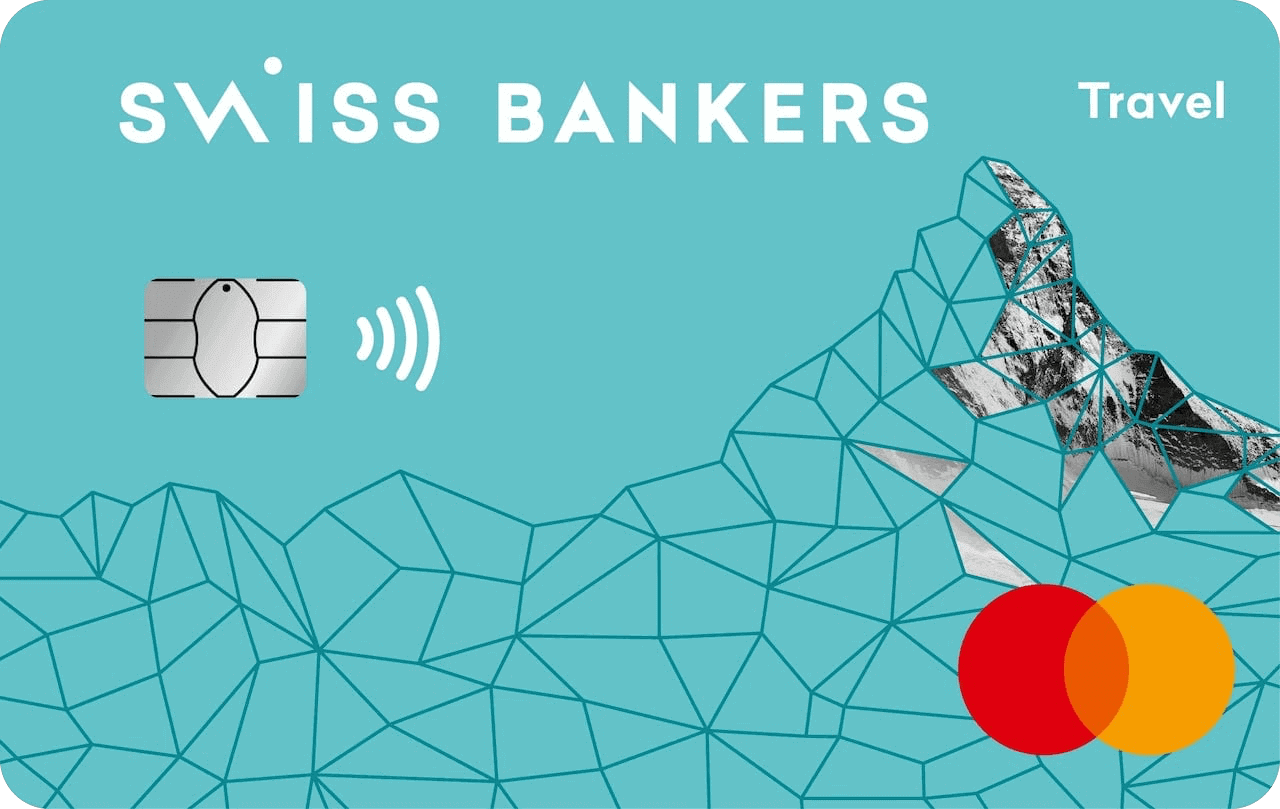
Ideal for your journey: the Travel card.

Travel is the secure prepaid card for use away from home – without any annual fees. In the event of loss, the card including the balance will be replaced worldwide.

Find out more about Travel

Important

While every precaution has been taken to verify the information provided, Swiss Bankers Prepaid Services Ltd does not guarantee the accuracy or completeness of Country Information. Swiss Bankers therefore shall not be held liable for any damage or loss sustained in connection with any errors or omissions contained therein.

Suggest a change