Travel advice for Macau.

Here you will find important tips and useful information for Macau.
Order US dollars. Delivered directly to your home.

Over 60 currencies at the click of a button – order today, delivered tomorrow. Safe and convenient, no branch visit required. Available exclusively in the app with a Swiss Bankers card.

Learn more
Macau
Import local currency unrestricted; declaration mandatory from MOP 120’000.00
Import foreign currency unrestricted; declaration mandatory from the equivalent of MOP 120’000.00
Export local currency unrestricted; declaration required at the request of the customs authorities from MOP 120’000.00
Export foreign currency unrestricted; declaration required at the request of the customs authorities from the equivalent of MOP 120’000.00

Useful tips from our experts:

Practical Information:

Time difference with Switzerland

+ 7 h / + 6 h during our summer time

Capital

None; Macau is a Special Administrative Region of the People’s Republic of China

National language

Official language

Chinese and Portuguese. Cantonese is the most widely spoken language.

Language capabilities

English

Voltage

230 volts / 50 hertz / adapter recommended

Opening hours

Banks

9.00 am–5.30 pm (Mon–Fri)
Opening hours may vary between branches.

Shops

10.00 am–8.00 pm (daily)
In busy areas such as Rua do Cunha or near Senado Square, shops often stay open until 10.00 pm. Some larger supermarkets even remain open until midnight.

Public holidays
  • 1 January: New Year’s Day
  • Chinese New Year (based on the lunar calendar; the date varies each year)
  • 4 or 5 April: Ching Ming Festival (Tomb-Sweeping Day)
  • Good Friday and Holy Saturday
  • 1 May: Labour Day
  • Variable date: Buddha’s Birthday
  • Dragon Boat Festival (based on the lunar calendar; the date varies each year)
  • Day after the Mid-Autumn Festival (based on the lunar calendar; the date varies each year)
  • 1 October: National Day of the People’s Republic of China
  • 2 October: Day after National Day
  • Chong Yang Festival (based on the lunar calendar; the date varies each year)
  • 2 November: All Souls’ Day
  • 8 December: Feast of the Immaculate Conception
  • 20 December: Macau Special Administrative Region Establishment Day
  • 21 or 22 December: Winter Solstice
  • 24 December: Christmas Eve
  • 25 December: Christmas Day
Entry requirements

The following information is intended for Swiss citizens living in Switzerland. The following documents are required to enter Macau:

  • A Swiss passport valid for at least 90 days beyond the intended stay.
  • A valid return or onward travel ticket.
  • Proof of sufficient financial means.

No visa is required for tourist stays of up to 90 days.

- Information last updated in October 2026 -

Climate

Macau has a subtropical climate influenced by the monsoon, with hot, humid summers and relatively dry, cool winters. There are hardly any regional differences in climate due to the territory’s small size.

Summer (June–September): Average daytime highs are around 30–32 °C. High humidity and heavy rainfall characterise this season. The typhoon season lasts from May to November, with a peak from July to September. Storm warnings may lead to disruption to flights, ferry services and public transport.

Winter (December–February): Average daytime highs reach around 18–20 °C. The weather is generally drier than in summer. Cold northerly winds can occasionally cause temperatures to drop significantly; a warm jacket is particularly useful in the evenings.

Spring (March–May): Temperatures rise gradually, along with humidity. Fog, cloudy days and increasingly frequent rain are typical. By May, the weather can already be as hot and muggy as in summer.

Autumn (October–November): Average daytime highs are around 24–28 °C. The weather is usually sunnier, drier and less muggy than in summer. However, typhoons remain possible until November.

The best time to visit Macau:

  • City breaks: October and November generally offer particularly pleasant conditions for sightseeing. December is also suitable, although cooler. March and April have mild temperatures, but fog and rain are more frequent.
  • Beach visits: May to September offers warm temperatures. However, high humidity, rainfall and possible typhoons may affect days at the beach. Pay attention to local weather warnings.
Communications
  • Mobile phones: Using a mobile phone in Macau incurs roaming charges. It is advisable to check roaming rates before travelling and, if necessary, purchase a suitable roaming package to reduce costs.
  • Wi-Fi: Wi-Fi is widely available in Macau and is free in many hotels, restaurants and cafés. There are also public Wi-Fi hotspots, particularly in tourist areas and at transport hubs.
  • Prepaid SIM cards: Local prepaid SIM cards are available from providers such as CTM. Registration of personal details is required for activation.
Tourist attractions
  • Ruins of St Paul’s, old town: The impressive façade of the former church is one of Macau’s best-known landmarks and forms part of the UNESCO World Heritage site, the Historic Centre of Macao.
  • Senado Square, old town: A historic square with wave-patterned Portuguese mosaic paving, pastel-coloured buildings and numerous shops in the surrounding lanes.
  • Macau Tower, Macau Peninsula: This 338-metre tower has observation decks offering far-reaching views across the city. Adventurous visitors can try activities such as bungee jumping or the Skywalk.
  • A-Ma Temple, Barra: One of Macau’s oldest temple complexes, dedicated to the sea goddess A-Ma. Pavilions, prayer halls and courtyards are arranged along a rocky hillside.
  • Mount Fortress, old town: A historic fortress with old cannons and panoramic views across Macau. The grounds house the Macau Museum, which explores the city’s history and culture.
  • The Venetian Macao, Cotai: An extensive hotel and entertainment resort with Venetian-inspired architecture, shops and artificial canals offering gondola rides.
  • Cotai Strip, Cotai: A modern entertainment district with large hotel resorts, casinos, shopping centres and elaborate themed architecture.
  • Taipa Houses, Taipa: Five restored Portuguese colonial-style houses with exhibitions and insights into Macanese domestic life and history.
  • Grand Lisboa, Macau Peninsula: A striking hotel and casino with lotus-inspired architecture and renowned restaurants.
  • Guia Fortress, Guia Hill: A historic fortress complex with a chapel and lighthouse. The ensemble forms part of the UNESCO World Heritage site and offers lovely views across the city.
  • Dom Pedro V Theatre, old town: Built in 1860, this theatre with its green neoclassical façade is one of Macau’s important historic cultural buildings and forms part of the UNESCO World Heritage site.
  • Kun Iam Temple, Macau Peninsula: Also known as Kun Iam Tong or Pou Chai, this Buddhist temple complex is one of the oldest and largest in the city.
  • Coloane Village, Coloane: A former fishing village with narrow lanes, pastel-coloured houses and a relaxed waterfront promenade. It is also known for its Portuguese custard tarts.
  • Hac Sa Beach, Coloane: An extensive beach with dark natural sand and added light-coloured sand, suitable for walks and relaxing time by the sea.
  • Macau Fisherman’s Wharf, Macau Peninsula: A leisure and dining complex on the Outer Harbour, with European-inspired themed architecture, restaurants and shops.
Food and drink
  • Macanese cuisine: The local cuisine combines Portuguese and Chinese traditions with other Asian and African influences. Typical dishes include spicy African chicken and minchi, a minced meat dish with potatoes and rice.
  • Portuguese specialities: Dishes featuring bacalhau, salted and dried cod, as well as grilled sardines and seafood rice, reflect Macau’s Portuguese heritage.
  • Custard tarts: Portuguese-inspired custard tarts with crisp puff pastry and lightly caramelised egg custard are among Macau’s best-known specialities. The tarts from Coloane are particularly famous.
  • Dim sum: Cantonese bites such as steamed dumplings, filled buns and rice noodle rolls are traditionally served with Chinese tea at breakfast or lunch.
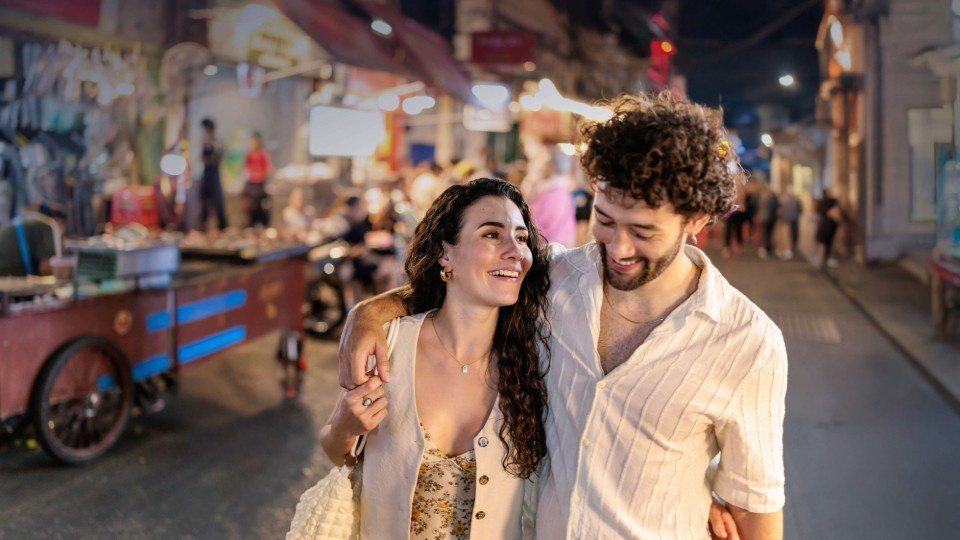
  • Street food: Popular snacks include pork chops in crusty buns, spicy fish balls and various skewers. Small food stalls and eateries also offer noodle dishes and rice soups.
  • Local sweets: Almond biscuits, crisp egg rolls and serradura, a dessert made with cream and fine biscuit crumbs, round out the selection of sweet specialities.
  • Fish and seafood: Prawns, shellfish, crabs and fish are prepared in both Cantonese and Portuguese styles, for example steamed, grilled or in aromatic sauces.
  • Portuguese wines: Portuguese and Macanese restaurants often serve wines from Portugal. Port also features on many drinks menus.
  • Tea culture: Chinese tea is a particularly common accompaniment to dim sum and Cantonese dishes. Varieties on offer include oolong, pu-erh and green teas.
  • Fine dining: Alongside traditional eateries, Macau offers numerous elegant restaurants serving Chinese, Portuguese and international cuisine. The large hotel resorts house a particularly varied selection.
Etiquette tips
  • Greetings: A friendly greeting is customary; handshakes are also common in formal situations. In the local language, Cantonese, you can say “你好” (Néi Hó) for “hello”.
  • Saying please and thank you: Politeness is important. “Please” in Cantonese is “唔該” (M̀hgòi), while “thank you” can be expressed as “多謝” (Dòjeh) or also “唔該” (M̀hgòi), depending on the context.
  • Clothing: Casual but neat clothing is suitable for most situations. Dress respectfully in temples and cover your shoulders and knees.
  • Dining etiquette: In restaurants, people often order together and share dishes. It is polite to serve others before serving yourself. Never leave chopsticks standing upright in a bowl of rice, as this is considered impolite.
  • Smoking: Smoking is prohibited in many public areas, including restaurants, shopping centres and public transport. Smoking should be strictly confined to designated smoking areas. E-cigarettes may not be brought into or taken out of Macau, even for personal use.
  • Tipping: Additional tips are optional. Check whether a service charge is already included in the bill.
  • Other advice: Photography is often restricted in temples and religious sites, so ask beforehand. Avoid loud or conspicuous behaviour in public to respect the local culture.
Health situation
  • Drinking water quality: Drink bottled or boiled water.
  • Vaccinations: Specific vaccinations are generally not mandatory for travellers entering Macau. However, travellers are advised to keep their routine vaccinations up to date, particularly against diphtheria, tetanus, polio and measles. Hepatitis A vaccination is also recommended for travel.
  • Dengue fever: Dengue fever can occur in Macau, particularly during the rainy season. Protection against mosquito bites is important, as the mosquitoes are mainly active during the day.
  • Mosquito protection: To avoid bites, use insect repellent, wear long-sleeved clothing and choose accommodation with mosquito nets or air conditioning.


Medical care
  • Medical care in Macau is good. Some specialist treatments may require further care in Hong Kong. Medical treatment can be very expensive. Travel health insurance with adequate cover for treatment costs and any medical repatriation is recommended.
  • If you depend on particular medicines, take a sufficient supply in your travel medical kit. However, bear in mind that many countries have special rules for bringing in medicines containing controlled substances, such as methadone, and substances used to treat mental health conditions. If necessary, contact the relevant foreign representation (embassy or consulate) directly before departure.
Current security situation
  • Follow media reports about the current situation before and during your trip and stay in touch with your tour operator.
  • Further information about the current security situation is available on the website of the Federal Department of Foreign Affairs (FDFA).

  • The security situation in Macau is generally stable. The crime rate is low, although pickpocketing and bag snatching can occur, particularly in busy tourist areas and around casinos. Keep an eye on your valuables and follow the instructions of the local authorities.

- Information last updated in October 2026 -

Driving
  • Driving licence: It is recommended to carry an international driving permit in addition to your Swiss driving licence. If you wish to continue driving in Macau after staying for more than 14 days, registration with the traffic police is required. Check the requirements with the car hire company in advance.

  • Car hire: The minimum age, required driving experience and any additional fees depend on the hire company’s terms and conditions.
  • Traffic rules: Drive on the left!
Public transport
  • Rail connections to mainland China: Macau does not have its own long-distance railway station. Connections to the Chinese rail network are available in neighbouring Zhuhai. To continue your journey, you must cross the border and comply with the applicable entry requirements.
  • Buses: A dense bus network connects the Macau Peninsula, Taipa, Cotai and Coloane. If paying in cash, prepare the exact fare; no change is given.
  • Light rail: The automated Macau Light Rapid Transit (LRT) network comprises the Taipa, Seac Pai Van and Hengqin lines. Among other places, it connects the airport, Taipa and Cotai with Barra on the Macau Peninsula, as well as Seac Pai Van and the Hengqin border crossing. The East Line is under construction.
  • Tickets: Bus fares can be paid in cash with the exact amount or with a Macau Pass card. LRT single-journey tickets are available at stations. Macau Pass cards are also accepted on the LRT and offer reduced fares.
  • Other services: In addition to public transport, Macau has a well-organised taxi and shuttle service system. Many hotels and casinos offer free shuttle buses connecting the main locations in Macau.
Air traffic
  • Macau International Airport (MFM), Taipa: Travel from Switzerland involves a connecting flight, for example via Singapore, or a journey via Hong Kong. Direct flights operate from Zurich to Hong Kong. From there, you can reach Macau via the Hong Kong–Zhuhai–Macau Bridge or by ferry. Check connections and transfer arrangements before booking.

Major airlines operating in Macau include Air Macau, China Eastern Airlines, EVA Air, Philippine Airlines, AirAsia, Tigerair Taiwan and Cebu Pacific.

Dialling code for calling Switzerland

00 41 (omit the initial zero of the Swiss area or network code)

Emergency numbers

General emergency number: 999; alternatively 110 or 112.

Swiss Embassy / Consulate

Consulate General of Switzerland
62/F, Suite 6206
Central Plaza
18 Harbour Road
Wan Chai
Hong Kong
China

Tel. +852 3509 5000
Email: hongkong@eda.admin.ch


Ideal for your journey: the Travel card.

Travel is the secure prepaid card for use away from home – without any annual fees. In the event of loss, the card including the balance will be replaced worldwide.

Find out more about Travel

Important

While every precaution has been taken to verify the information provided, Swiss Bankers Prepaid Services Ltd does not guarantee the accuracy or completeness of Country Information. Swiss Bankers therefore shall not be held liable for any damage or loss sustained in connection with any errors or omissions contained therein.

Suggest a change