


Important information:
Am 10. April 2024 wurden das Kundenportal sowie der Web-Zugriff auf das Kartenkonto eingestellt. Bitte laden Sie die Swiss Bankers App herunter, um weiterhin uneingeschränkten Zugriff auf alle Dienste zu haben.
Are you a Swiss Bankers sales partner?
Hier geht es zum Partnerportal.
Here you will find important tips and useful information for Malaysia.
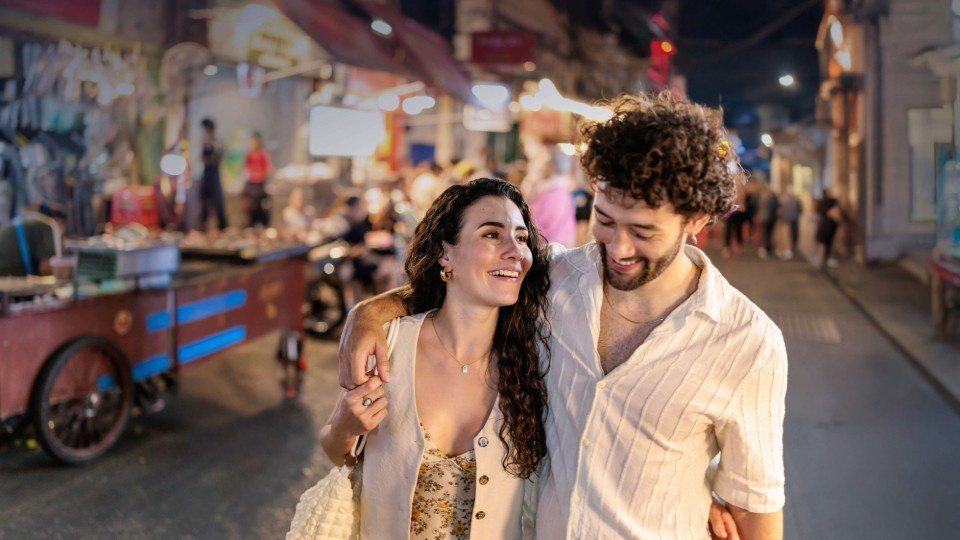
If you wish to hire a car, a credit card is recommended. Prepaid credit cards are generally accepted for payment, but often not for reservations. We recommend checking the payment terms with the car hire company in advance.
 Time difference from Switzerland
+ 7 h / + 6 h during our summer time
 Capital
Kuala Lumpur
 National language
Malay
 Voltage
 Opening hours
Banks
9.30 am - 4.30 pm (Mon - Fri)
9.30 am - 11.30 am (Sat)
Banks are closed on the first Saturday of every month.
Shops
10.00 am - 10.00 pm (daily)
 Public holidays
These are some of the main nationwide public holidays in Malaysia. There are also additional public holidays that apply only in certain regions or to specific population groups.
 Entry requirements
The following documents are required to enter Malaysia:
Travellers must register electronically no later than three days before entering the country via the Malaysia Digital Arrival Card (MDAC).
Minors: a travel consent form is recommended for minors travelling alone, with only one parent or without their parents. Further information: travel consent form for travelling with children.
As of: October 2024
 Climate
Malaysia has a tropical climate with warm temperatures and high humidity throughout the year.
Western Peninsular Malaysia (e.g. Kuala Lumpur, Penang):
Warm and humid throughout the year, with temperatures ranging from 25°C to 32°C. The drier period runs from May to September, while the rainy season lasts from October to April.
Eastern Peninsular Malaysia (e.g. Tioman, Perhentian Islands):
Temperatures range from 24°C to 32°C. The rainy season lasts from November to February, while the drier period runs from March to October.
East Malaysia (Sabah and Sarawak on Borneo):
Tropical throughout the year, with temperatures ranging from 24°C to 31°C. The heaviest rainfall occurs between November and January, although the weather can also be changeable during other months.
The ideal time to travel to Malaysia:
Beach holidays: March to October on the west coast (Langkawi, Penang) and May to September on the east coast (Perhentian Islands, Tioman) for sunny days and less rainfall.
City breaks: November to March for pleasant weather in Kuala Lumpur, Malacca and George Town.
Nature trips/hiking: March to September for Borneo (Sabah, Sarawak) and the Cameron Highlands, ideal for drier weather and clearer views.
 Communications
Tourist attractions
Petronas Twin Towers, Kuala Lumpur - The iconic twin towers rise 452 metres above the city and are Kuala Lumpur’s most recognisable landmark. The Skybridge offers fantastic views across the city.
Batu Caves, Selangor - An impressive limestone cave and Hindu temple complex, famous for its enormous golden statue of the god Murugan and the 272 steps leading up to the caves.
Cameron Highlands, Pahang - A popular highland region known for its tea plantations, hiking trails and cooler climate, ideal for nature and tea lovers.
George Town, Penang - A UNESCO World Heritage city renowned for its colonial architecture, street art and delicious street food.
Taman Negara National Park, Pahang: one of the world’s oldest rainforests, offering jungle trekking, boat trips and canopy walks amid spectacular natural scenery.
Langkawi Sky Bridge, Langkawi - A spectacular curved pedestrian bridge on Langkawi Island offering panoramic views over the rainforest and the sea.
Kinabalu National Park and Mount Kinabalu, Sabah - Home to Mount Kinabalu, one of the highest mountains in Southeast Asia, and a UNESCO World Heritage natural site with exceptionally diverse flora and fauna.
Gunung Mulu National Park, Sarawak - Another UNESCO World Heritage natural site, famous for its vast cave systems, including one of the world’s largest underground chambers, as well as spectacular limestone formations.
Perhentian Islands - A tropical island paradise with white sandy beaches, clear waters and excellent diving and snorkelling sites.
Malacca Old Town (UNESCO World Heritage Site): A historic city with well-preserved colonial buildings, churches and museums reflecting Malaysia’s rich history.
Thean Hou Temple, Kuala Lumpur - One of the largest Chinese temples in Southeast Asia, known for its impressive architecture and views over Kuala Lumpur.
Sunway Lagoon, Selangor: a vast theme and water park with numerous family attractions, including water slides, roller coasters and a zoo.
Tioman Island: an idyllic island with unspoilt beaches, coral reefs and rainforests, ideal for snorkelling, diving and relaxation.
Sepilok Orangutan Rehabilitation Centre, Sabah: a rescue and rehabilitation centre for orangutans where visitors can observe these remarkable animals at close range.
Travel inspiration
Be inspired by our blog articles and discover Malaysia’s most fascinating destinations:
The 10 most beautiful islands in Asia: Penang and Langkawi
 Food and drink
Malaysia offers a diverse and aromatic cuisine shaped by a variety of cultural influences, particularly Malay, Chinese and Indian. This culinary blend reflects the country’s cultural diversity.
Rice and noodle dishes: rice is a staple food in Malaysia, particularly in dishes such as Nasi Lemak (coconut rice with various accompaniments) and Nasi Goreng (fried rice). Noodles also play an important role, for example in Char Kway Teow (stir-fried rice noodles) and Laksa (a spicy noodle soup).
Flavours and spices: Malaysian dishes are known for their intense flavours, created with a blend of spices such as turmeric, ginger, chilli and lemongrass. Sambal, a spicy chilli paste, is often served as an accompaniment.
Street food: Malaysia’s street food is legendary. Popular dishes include Satay (grilled meat skewers with peanut sauce), Roti Canai (Indian flatbread served with curry) and Hainanese Chicken Rice (chicken with rice).
Seafood: Malaysia’s coastal regions offer an abundance of fresh seafood, including Ikan Bakar (grilled fish) and Chili Crab (crab in a spicy chilli sauce).
Soups and stews: soups such as Bak Kut Teh (herbal soup with pork) and Tom Yum (spicy and sour soup) are known for their bold, aromatic flavours.
Tropical fruits: Malaysia is rich in exotic fruits such as durian, mangosteen and rambutan, which are often enjoyed as snacks or desserts.
Drinks: popular drinks include Teh Tarik (pulled milk tea) and Cendol (a refreshing drink made with coconut milk, palm sugar and green rice-flour strands). Fresh coconut water and a variety of fruit juices are also widely available.
 Etiquette tips
 Health situation
Tap water: drinking tap water directly in Malaysia is not recommended. To reduce health risks, most locals and travellers use bottled or boiled water. Bottled water is also recommended for brushing teeth.
Vaccinations: no mandatory vaccinations are required to enter Malaysia. However, travellers are advised to check that their standard vaccinations are up to date before departure and to receive any necessary boosters. Vaccination against hepatitis A is recommended. For longer stays or travel to certain areas, vaccination against hepatitis B, typhoid, rabies and Japanese encephalitis (JE), as well as possible preventive measures against dengue fever, may also be considered.
Mosquito-borne diseases:
In Malaysia, there is a risk of mosquito-borne diseases such as dengue fever and, in some rural areas, malaria. The risk is particularly high during the rainy season. To protect yourself, avoid mosquito bites as much as possible: wear long, light-coloured clothing, use insect repellent and, if necessary, sleep under a mosquito net.
Medical care
 Current security situation
Further information on the current security situation is available on the website of the Federal Department of Foreign Affairs (FDFA).
As of: October 2024
 Road traffic
To rent a car, drivers must be between 21 and 75 years old for standard vehicle categories and between 25 and 65 years old for luxury vehicle categories.
Blood alcohol limit: 0.8 ‰.
 Public transport
 Air traffic
There are no direct flights between Switzerland and Malaysia, but connections with stopovers are available. The main airports in Malaysia are:
Malaysia’s main domestic airlines are Malaysia Airlines, AirAsia, Firefly and Malindo Air. International airlines offering flights to Malaysia include SWISS, Singapore Airlines, Qatar Airways, Emirates, Thai Airways, Korean Air and Cathay Pacific.
 Dialling code for calling Switzerland
00 41 (omit the initial zero of the Swiss area code)
 Emergency numbers
Police: 999
Ambulance: 999
Fire brigade: 994
 Swiss Embassy / Consulate
16, Persiaran Madge
55000 Kuala Lumpur
Tel.: +60 3 21 48 06 22
Email: kualalumpur@eda.admin.ch
 Other information
Travel is the secure prepaid card for use away from home – without any annual fees. In the event of loss, the card including the balance will be replaced worldwide.
Find out more about TravelWhile every precaution has been taken to verify the information provided, Swiss Bankers Prepaid Services Ltd does not guarantee the accuracy or completeness of Country Information. Swiss Bankers therefore shall not be held liable for any damage or loss sustained in connection with any errors or omissions contained therein.

© Swiss Bankers 2026


 Compare cards and conditions
