


Important information:
Am 10. April 2024 wurden das Kundenportal sowie der Web-Zugriff auf das Kartenkonto eingestellt. Bitte laden Sie die Swiss Bankers App herunter, um weiterhin uneingeschränkten Zugriff auf alle Dienste zu haben.
Are you a Swiss Bankers sales partner?
Hier geht es zum Partnerportal.
Southern Vietnam reveals a completely different side to the country: in Ho Chi Minh City, skyscrapers, markets and a vibrant food scene set the pace, whilst just a few hours away, the waterways of the Mekong Delta wind their way through rice fields, coconut groves and small villages. Off the coast, Phu Quoc and Con Dao await – two island worlds that could hardly be more different. We’ll show you what makes South Vietnam so special and which experiences you shouldn’t miss on your trip.
 19.09.2026
 Miryana
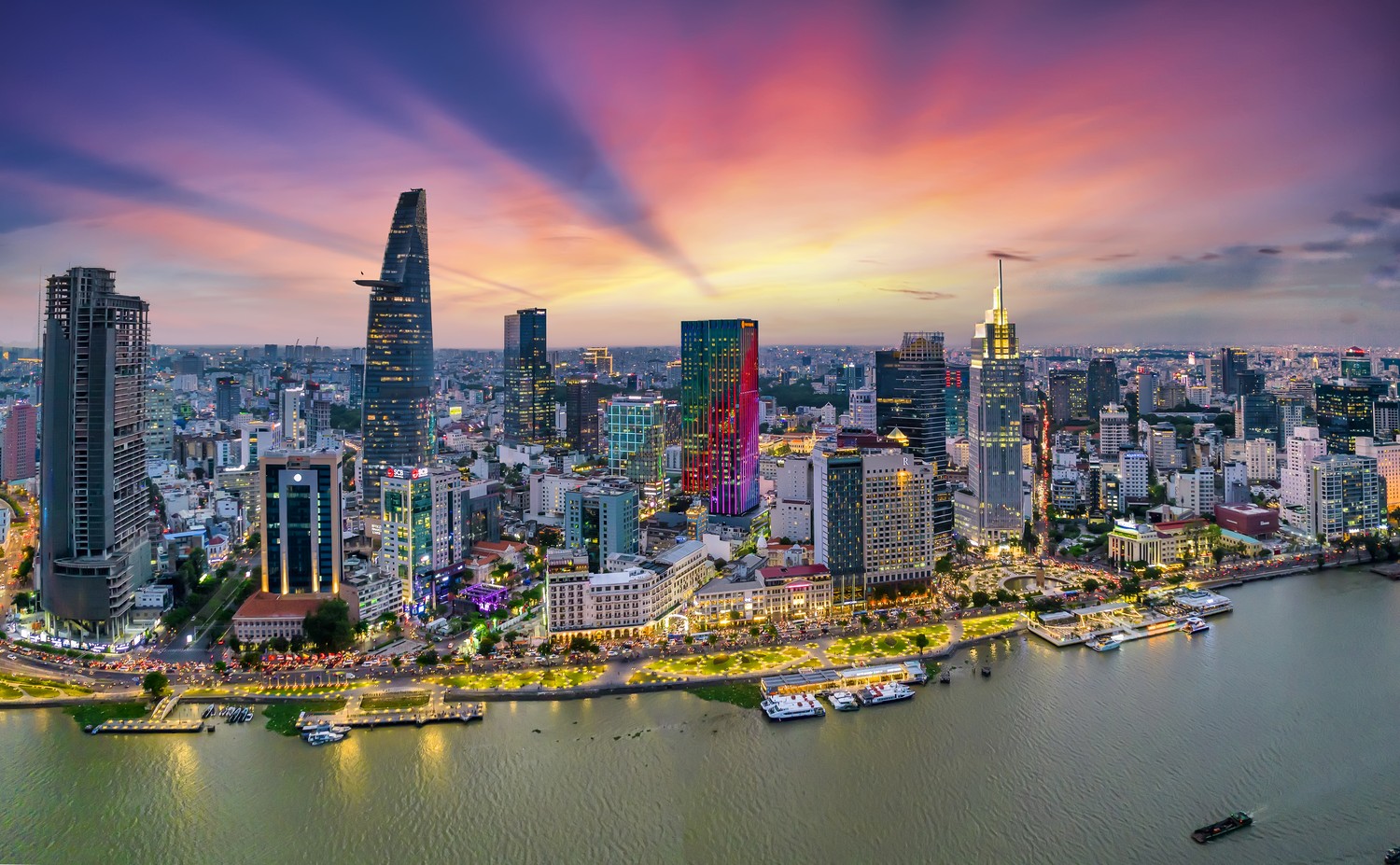
Photo: Aerial view of the Ho Chi Minh City skyline at sunset.
For many travellers, Ho Chi Minh City is the ideal gateway to southern Vietnam. This vibrant metropolis combines modern architecture, historic districts, markets and a diverse culinary scene, making it an excellent base for onward travel to the Mekong Delta or the coast.
You’ll find all the key sights, restaurant recommendations and practical advice in our detailed blog post ‘City break in Ho Chi Minh City: sights, street food and tips for Saigon’.
Our tip: Plan to spend at least two to three nights in the city before continuing your journey.
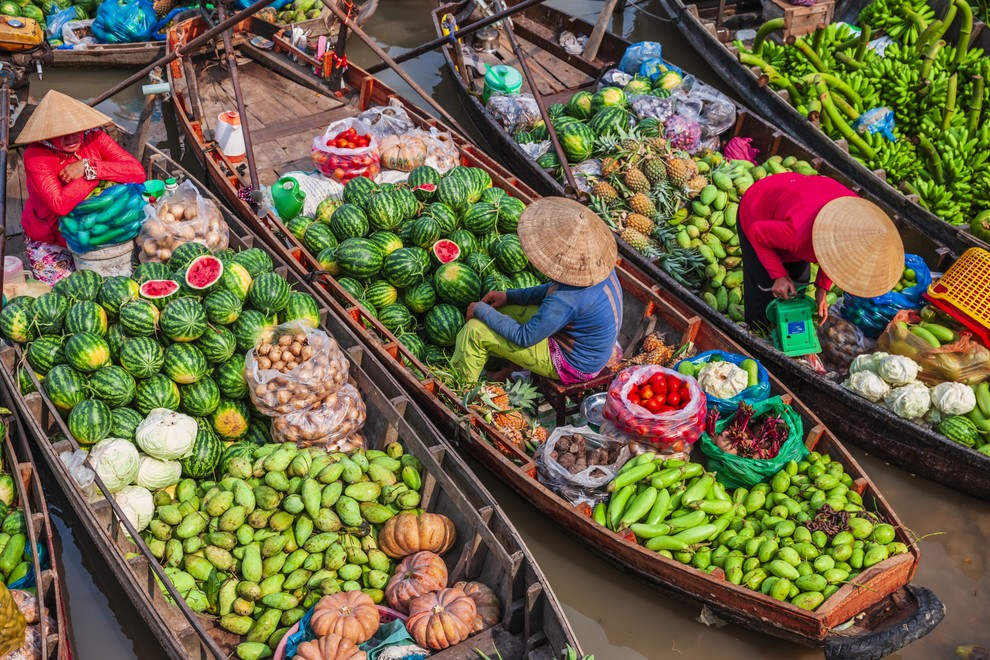
The Mekong Delta is also known in Vietnamese as Cửu Long – ‘Nine Dragons’. The name refers to the river branches through which the Mekong splits as it flows towards the sea in southern Vietnam. Today, the region is characterised by countless waterways, rice fields, orchards and coconut groves. A classic experience is a trip on a traditional sampan. These small wooden boats glide through narrow canals lined with water palms, offering a close-up view of life along the water’s edge. Around Ben Tre, such boat trips can be easily combined with cycle tours through villages and coconut plantations.
Anyone travelling via My Tho should plan a stop at the Vinh Trang Pagoda. This 19th-century Buddhist temple complex combines Vietnamese, Chinese and European architectural elements and is renowned for its large Buddha statues.
Our tip: Allow at least two nights for the Mekong Delta. This will give you plenty of time for a sampan trip through the canals, a stop in Ben Tre or My Tho, and an early morning visit to the floating market at Cai Rang.
Video: Phu Quoc – tropical beaches and turquoise seas on Vietnam’s ‘Pearl Island’
After Ho Chi Minh City and the Mekong Delta, Phu Quoc offers a relaxing contrast. The island is, however, larger than many expect: around 150 kilometres of coastline, a national park, fishing villages and numerous beaches are spread across the north and south. If you have enough time, you shouldn’t just stay in one place. The easiest way to reach Phu Quoc is by direct flight, from Ho Chi Minh City, Hanoi, Can Tho or Da Nang, amongst other places. Those travelling overland can take a ferry to the island from Rach Gia or Ha Tien.
In the north, it’s well worth a trip to Starfish Beach near Rach Vem, with its shallow, clear waters and red starfish. Please do not touch the animals or take them out of the water. The quieter stretches of coastline around Ganh Dau and the lush Phu Quoc National Park are also lovely. In the south, Sao Beach, the An Thoi Archipelago and the spectacular Hon Thom cable car await. The route, almost eight kilometres long, runs from An Thoi high above the sea and the small islands of the archipelago to Hon Thom.
A hire scooter is particularly handy for exploring the island and is available from many hotels and local hire companies. This allows you to combine visits to beaches, fishing villages and other short stops much more flexibly. In the evening, it’s well worth a visit to the Phu Quoc Night Market in the centre of Duong Dong. Along Bach Dang Street, you’ll find numerous stalls selling fresh seafood, street food, local specialities and souvenirs. The market becomes a pedestrian zone in the evening and can easily be combined with a stroll along the promenade.
Our accommodation tips: The Green Bay Phu Quoc Resort & Spa is ideal for peaceful days in the greener north-west of the island. We also recommend the Mango Bay Resort on the west coast, with its relaxed atmosphere and abundance of nature.
Our restaurant recommendation: For dinner right by the sea, On The Rock Restaurant & Beach Bar at the Mango Bay Resort is one of our favourites – it’s at its most beautiful at sunset.
Video: Con Dao – an island paradise nestled between the jungle and the sea.
Anyone who, after visiting Phu Quoc, wishes to discover a more unspoilt side of Vietnam will find it on Con Dao. The archipelago consists of 16 islands, of which Con Son is the tourist hub. Large parts of the archipelago are protected as Con Dao National Park – and as a result, many beaches, bays and stretches of coastline have remained unspoilt.
The easiest way to reach Con Dao is by direct flight from Ho Chi Minh City. Alternatively, high-speed ferries run from the Vietnamese mainland. Once there, the centre of Con Son is easy to explore on foot or by bike; a scooter is particularly handy for reaching more remote beaches and the national park.
Our restaurant tips: Madame Hà is a great choice for vegetarian and vegan Vietnamese cuisine. At the cosy May Bistro, Vietnamese dishes take centre stage in a relaxed atmosphere. Bar 200 is ideal for a drink or a simple meal right by the sea. An Ơi Café & Restaurant is also worth a visit – particularly for breakfast or brunch.
Our café recommendations: The 1920 Café (12ê Lê Duẩn, Côn Đảo) combines coffee with a nostalgic atmosphere and memories of historic Con Dao. The Condor Garden Café is ideal for a break surrounded by greenery. Matcha fans should also pop into the Nicobar Café & Matcha Bar, where, alongside coffee and tea, a range of matcha drinks and pastries are on offer.
Our accommodation recommendation: The Six Senses Con Dao is situated directly on a long, quiet sandy beach against the backdrop of Con Dao National Park. The villas, each with a private pool, blend discreetly into the landscape, making the resort an ideal choice for anyone wishing to combine nature, tranquillity and a high standard of comfort.
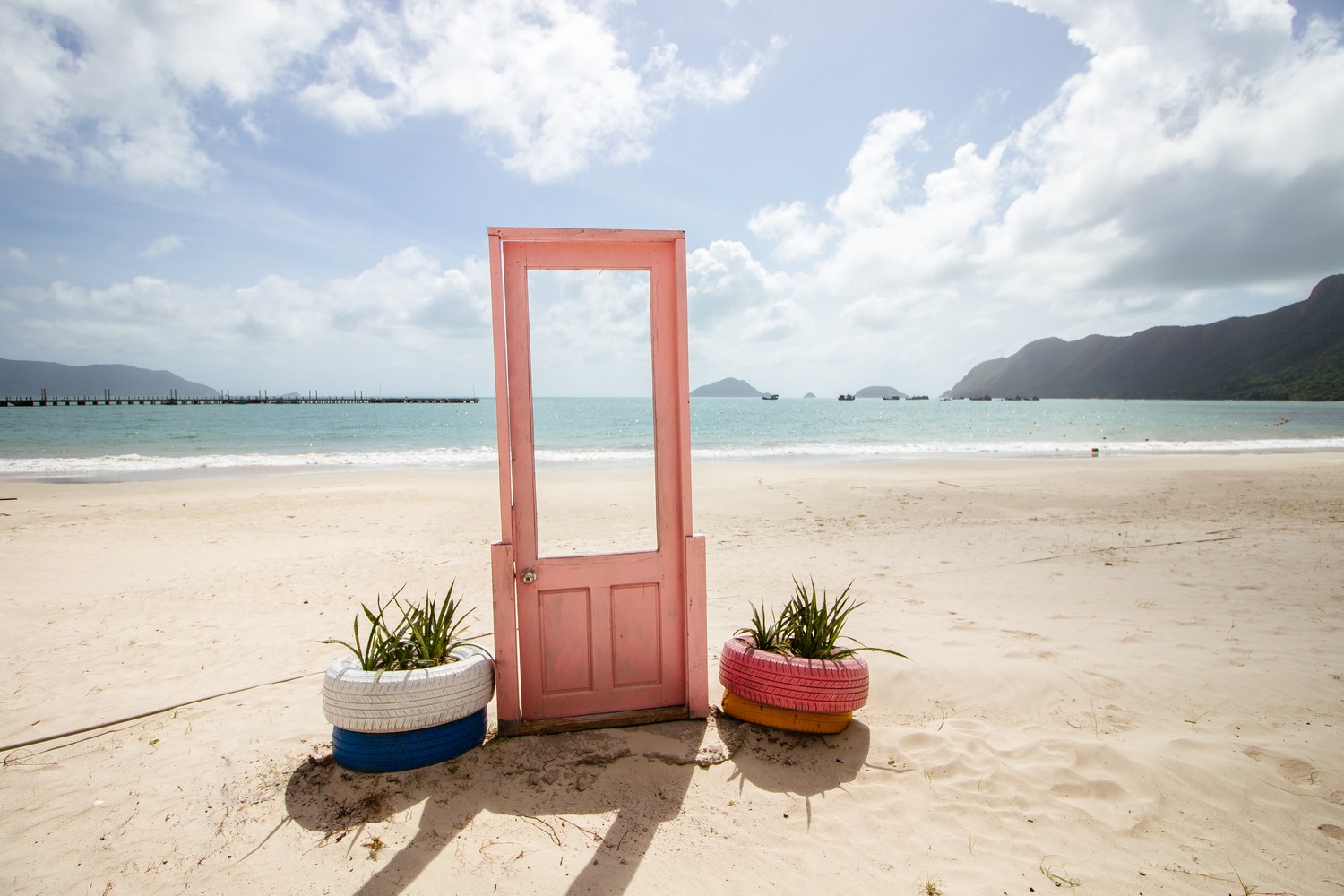
Photo: A colourful coastal scene on Con Dao.
Southern Vietnam is warm all year round, but the most pleasant time to visit is generally during the dry season from December to April. These months are ideal for Ho Chi Minh City and the Mekong Delta, as there is less rain and the humidity is slightly lower. Phu Quoc also generally offers the best conditions for beach holidays and boat trips between November and April. Con Dao can, in principle, be visited all year round, although conditions vary somewhat more depending on the wind and rain.
Our tip: February to April are particularly suitable for a round trip through Southern Vietnam, as during this period it’s easy to combine visits to the cities, the Mekong Delta and the islands.
Southern Vietnam reveals a different side to the country than the history-steeped north or the imperial centre: noisier, more tropical and more strongly shaped by water. From the urban buzz of Ho Chi Minh City to the tranquil daily life in the Mekong Delta and the beaches of Phu Quoc and Con Dao, the diversity of the south can be experienced in a truly impressive way – ideal as the start or end of a longer trip to Vietnam.

© Swiss Bankers 2026


 Compare cards and conditions

