


Important information:
Am 10. April 2024 wurden das Kundenportal sowie der Web-Zugriff auf das Kartenkonto eingestellt. Bitte laden Sie die Swiss Bankers App herunter, um weiterhin uneingeschränkten Zugriff auf alle Dienste zu haben.
Are you a Swiss Bankers sales partner?
Hier geht es zum Partnerportal.
Namibia captivates visitors with a striking blend of rugged landscapes, millennia-old culture and fascinating wildlife in Damaraland and Etosha National Park. In Damaraland, rugged mountains, ancient rock engravings and, with a bit of luck, desert elephants await you. Further north-east, Etosha National Park, with its vast salt pans and waterholes, offers unforgettable wildlife viewing opportunities. In this article, we’ll show you the best stops and experiences between Damaraland and Etosha.
 02.10.2026
 Miryana
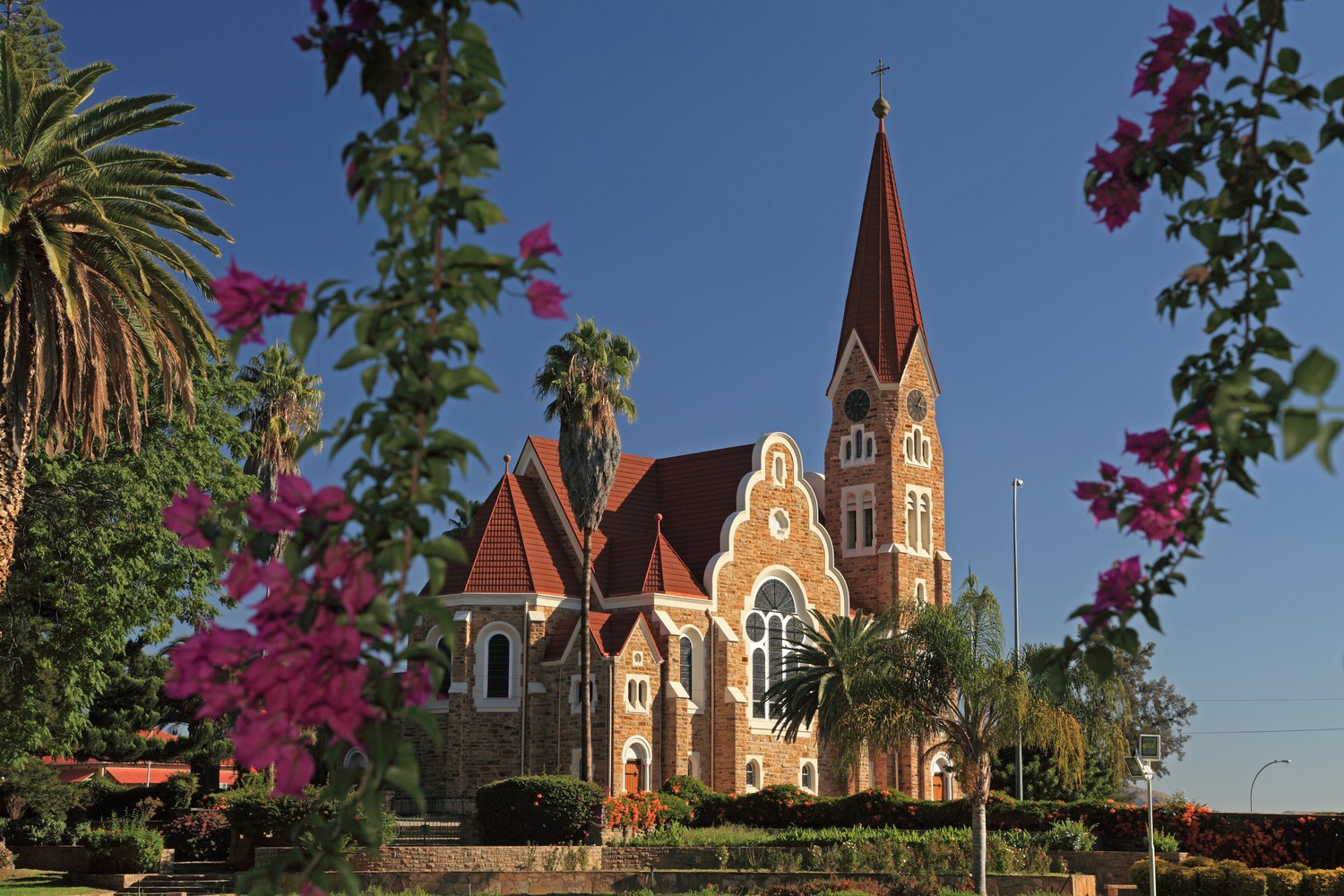
Photo: Christuskirche – Windhoek’s striking landmark in the heart of the capital.
Most trips to Namibia begin in Windhoek, which can be reached directly from Zurich on seasonal non-stop flights. At the international airport, you can pick up a hire car straight away and set off on your round trip towards Damaraland and Etosha.
A vehicle with good ground clearance is recommended for this route; on more remote stretches, a 4×4 offers additional flexibility and comfort. In Namibia, people drive on the left-hand side of the road.
Good to know: Swiss nationals require a visa for Namibia. This can be applied for online before your trip or obtained on arrival as a visa on arrival.
Route at a glance: You should allow at least 7 to 9 days for the route Windhoek → Damaraland/Twyfelfontein → Etosha National Park → Windhoek. If you’d like to travel at a more leisurely pace and spend several nights in Etosha, it’s best to allow a little more time.
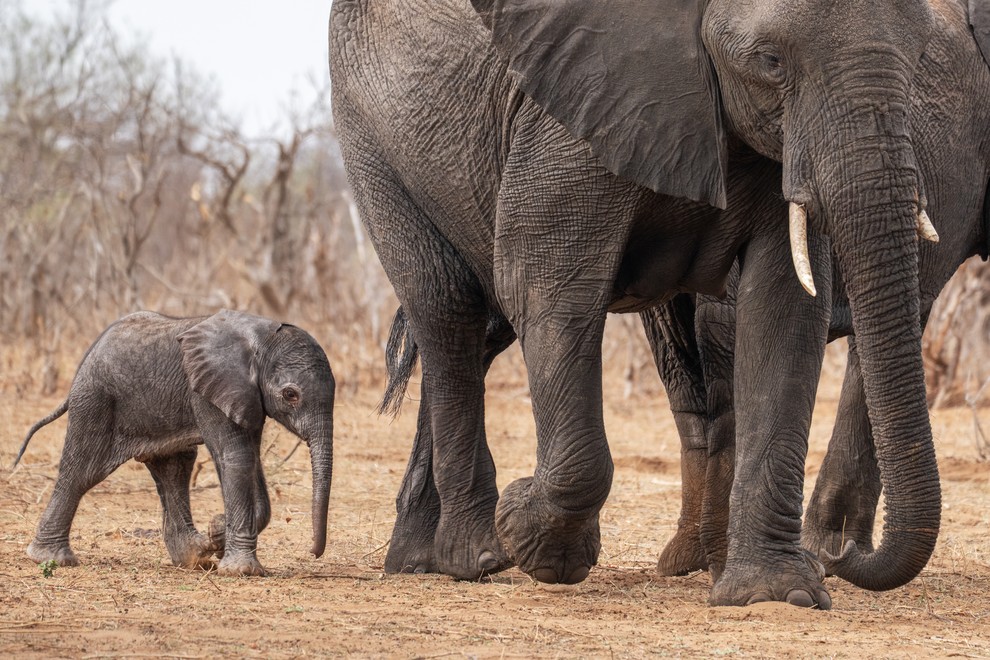
Damaraland in north-western Namibia is characterised by rugged mountains, red rocks and wide, mostly dry riverbeds. This is precisely where the famous desert elephants live, having adapted particularly well to the region’s extremely arid conditions. In search of water and food, the animals cover great distances, often following the dry river courses. The best way to spot them is on a guided 4×4 tour.
A good base is the area around Twyfelfontein. The Twyfelfontein Country Lodge, for example, offers guided drives through the dry Aba Huab riverbed, specifically in search of the wild desert elephants. The tour lasts around 3.5 to 4 hours and can be booked in advance or directly at reception.
Another option is to stay for several days at specialised camps such as the Ozondjou Trails Camp in the Ugab River area. There, the search for desert elephants forms part of the stay; however, the camp is only accessible by 4×4.
Important: As the elephants roam freely, no operator can guarantee a sighting.
Video: Damara Living Museum
Near Twyfelfontein, the Damara Living Museum offers a vivid insight into the traditional way of life of the Damara people. In a village reconstructed in a traditional style, members of the local community demonstrate how fires were lit, tools were made, leather was worked and medicinal plants were used in the past.
Particularly interesting are the guided tours and bush walks, during which you can learn more about plants, hunting techniques, jewellery-making and traditional dances. The museum is run by the local community, so the proceeds directly benefit local people.
Good to know: Advance booking is not necessary and is not offered by the operator; programmes are selected on arrival and paid for in cash on site. The museum has already published the current admission prices for 2026–2027.
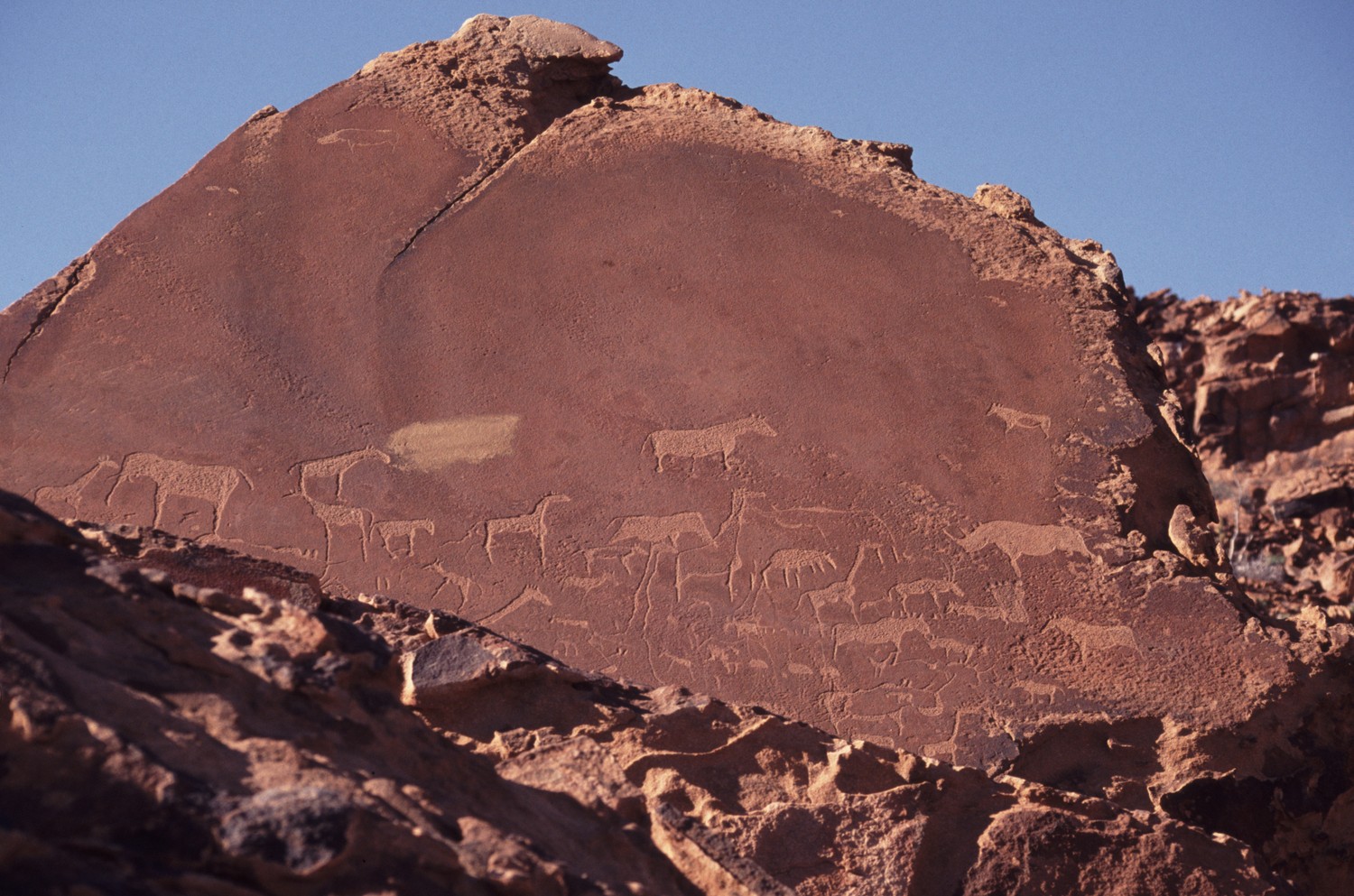
Photo: Twyfelfontein – petroglyphs carved into the red rock thousands of years ago.
Twyfelfontein is one of Namibia’s most significant cultural highlights. The reddish sandstone cliffs are home to thousands of engravings, some of which are several millennia old – including giraffes, rhinos, elephants and various animal tracks.
This UNESCO World Heritage Site documents the life and rituals of ancient hunter-gatherer communities over a long period of time and is one of Africa’s most important rock art sites. The best time to visit is early in the morning or late in the afternoon, when temperatures are milder and the low-angle light makes the engravings particularly easy to see.
Good to know: Some parts of the site, including the main route, are visited with a local guide. You should therefore allow for some extra time and budget for the guided tour in addition to the entrance fee.
Video: Organ Pipes & Burnt Mountain
Just a few kilometres from Twyfelfontein lie the Organ Pipes – almost vertical basalt columns that rise from the ground like the pipes of a giant organ.
Nearby is Burnt Mountain. Its dark rock layers glow in shades of red, black and purple, particularly in the early morning or late-afternoon light.
Tip: Both attractions can easily be combined as a short detour from Twyfelfontein. An hour is usually enough to see both the Organ Pipes and Burnt Mountain; if you’re short on time, there’s no need to set aside half a day just for this. The current admission fee for both formations combined is N$ 250 (as of October 2026) per person.
Etosha National Park is one of Namibia’s major safari highlights. At its centre lies the vast, almost white Etosha Pan, whilst numerous animals gather at the waterholes, particularly during the dry season. With a bit of luck, you’ll spot elephants, zebras, springboks, lions and rhinos here. Etosha is also known for its large giraffe population – giraffes are among the park’s most memorable wildlife sightings.
What makes it special: you can explore Etosha in your own hire car, driving from waterhole to waterhole. You should allow at least two to three nights for the park.
Accommodation tip: Okaukuejo Rest Camp in the south of the park is a particularly good option. The floodlit waterhole right next to the camp allows for wildlife viewing even after dark. If you drive further east, you can also stay at the Namutoni Resort.
Good to know: The gates close at sunset – at varying times depending on the season, but often between 6 pm and 7 pm. Plan your game drive so that you are back at the camp in good time. You may only stay overnight or camp within the park at the designated accommodation and campsites. Wild camping outside these areas is not permitted and is also dangerous due to the presence of wild animals.
It’s worth preparing well for this leg of the journey, as the distances are long and many routes take you through remote areas.
Damaraland and Etosha combine stunning landscapes, millennia-old culture and unforgettable wildlife viewing. From the rock engravings at Twyfelfontein to the elephants, giraffes and rhinos at the waterholes of Etosha National Park, Namibia reveals its most unspoilt side here.
If you allow plenty of time and don’t pack your itinerary too tightly, you’ll experience a fascinating blend of nature, culture and safari.

© Swiss Bankers 2026


 Compare cards and conditions

