


Important information:
Am 10. April 2024 wurden das Kundenportal sowie der Web-Zugriff auf das Kartenkonto eingestellt. Bitte laden Sie die Swiss Bankers App herunter, um weiterhin uneingeschränkten Zugriff auf alle Dienste zu haben.
Are you a Swiss Bankers sales partner?
Hier geht es zum Partnerportal.
São Paulo is huge, noisy and, at first glance, perhaps a little overwhelming. But if you give this Brazilian megacity a few days, you’ll discover a surprisingly diverse city. Whilst three days are hardly enough to get to know Brazil’s largest city in its entirety, they’re ideal for getting a first impression. We’ll show you how to combine São Paulo’s main attractions, most exciting neighbourhoods and culinary highlights in a way that makes the most of your time.
 21.09.2026
 Miryana
Contents:
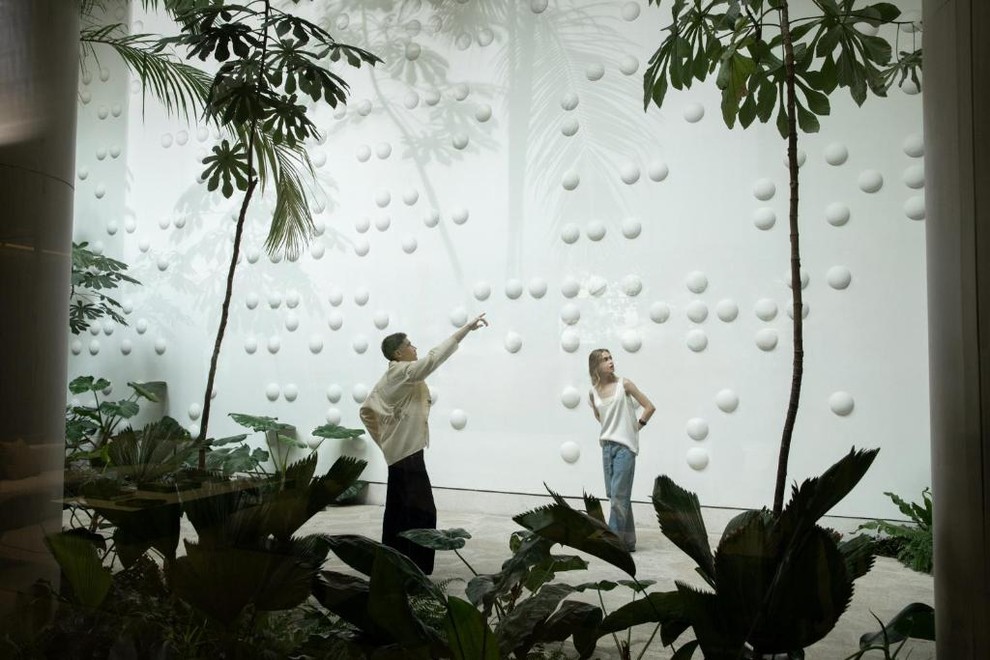
For a first visit, we particularly recommend Jardins and Pinheiros.
Jardins is one of São Paulo’s most elegant neighbourhoods. Here, quiet, tree-lined streets meet upmarket restaurants, boutiques and the shopping street Rua Oscar Freire. At the same time, the lively Avenida Paulista, home to the MASP, is within easy reach. We recommend L’Hotel PortoBay São Paulo, an elegant 5-star boutique hotel just a stone’s throw from Avenida Paulista.
Those looking for exceptional design should check out the Hotel Unique. Designed by Ruy Ohtake, the building’s curved shape and round windows are reminiscent of a giant ship, and it is one of the city’s architectural landmarks. The highlight is the iconic red rooftop pool next to the Skye Restaurant & Bar, which offers sweeping views across São Paulo.
Pinheiros showcases the city’s younger and more creative side. The neighbourhood is known for its restaurants, specialist cafés, bars, small shops and galleries, and merges almost seamlessly into the alternative Vila Madalena district. Here, we recommend the Pulso Hotel Faria Lima, a modern design hotel that combines art, gastronomy and Brazilian design.
Start the day at Culto Café in Jardins. This minimalist coffee bar on Alameda Itu specialises in speciality coffee and serves Brazilian beans as well as a rotating selection of coffees from other growing regions. From here, continue on foot to Avenida Paulista, one of São Paulo’s most famous streets. Amidst skyscrapers, cultural centres, cafés and shops, the metropolis reveals its modern and bustling side here. On Sundays, the avenue is closed to traffic and becomes a promenade for pedestrians, cyclists and street performers.
Right on the Avenida is the Museu de Arte de São Paulo (MASP). The building appears to float on two red supports. Inside, works by European masters are displayed alongside significant Brazilian art.
Our tip for your lunch break: A Baianeira is located inside the MASP. Head chef Manuelle Ferraz combines the cuisines of Minas Gerais and Bahia with modern influences – the perfect way to get to know typical Brazilian flavours right from the start.
If you’d like to see a bit more contemporary art, it’s well worth popping over to Fortes D’Aloia & Gabriel | Jardins afterwards. This renowned gallery regularly showcases a changing selection of works by Brazilian and international artists in its small exhibition space and is a lovely insider’s tip away from the major museums.
In the afternoon, head to Ibirapuera Park. Take the metro on Line 2 (green) and Line 5 (lilac) to AACD–Servidor station; from there, it’s about a 15- to 20-minute walk to the park. Alternatively, you can get there by Uber or 99, a ride-hailing app widely used in Brazil. The park is the city’s green oasis: by the lake, amongst palm trees and buildings designed by Oscar Niemeyer, the Paulistanos go jogging, cycling and picnicking – especially at the weekend. The best time for a stroll is in the late afternoon, when the light softens.
For dinner, we recommend Banana Verde in Vila Madalena. The restaurant has been one of São Paulo’s best-known vegetarian spots for years and serves creative, contemporary cuisine with numerous vegan and gluten-free options. A lovely way to round off the first day – and at the same time a great taster of creative São Paulo.
Start your second day at Takkø Café in Vila Buarque. This speciality coffee bar serves a rotating selection of Brazilian coffees, either as espresso or filter coffee, as well as light breakfast dishes, cakes and pastries. From here, head to Praça da Sé with its imposing Catedral da Sé. Then stroll to Pátio do Colégio, the site where São Paulo was founded in 1554. The route continues through the historic centre with its old façades, churches and skyscrapers. From here, other highlights such as the Mosteiro de São Bento, the Farol Santander in the historic Altino Arantes skyscraper and the magnificent Theatro Municipal are just a short walk away.
At lunchtime, it’s well worth a visit to the Mercado Municipal. Beneath the large glass windows, you’ll find stalls selling tropical fruits, spices, cheese and other specialities. The market is particularly famous for its sumptuous mortadella sandwich and the pastel de bacalhau.
In the afternoon, head to Liberdade, São Paulo’s Asian-influenced neighbourhood. Start at Rua Galvão Bueno, one of the liveliest streets in the area, with Asian supermarkets, shops and the characteristic red lanterns. A little oasis of calm amidst the hustle and bustle is the Jardim Oriental on Rua Galvão Bueno. This compact Japanese garden, with bamboo, trees and a pond filled with carp, is the perfect spot for a short break. Just a few minutes away is WE Coffee on Rua dos Estudantes. This modern, Asian-inspired coffee bar has become well-known not least through Instagram and stands out for its unusual coffee and tea creations as well as its eye-catching patisserie.
The Templo Lohan on Rua Conselheiro Furtado reveals a surprising side to the neighbourhood. The Buddhist kung fu school is housed in a historic 19th-century building and, in addition to various styles of kung fu, is dedicated to Buddhism, traditional Chinese medicine and Chinese culture. You should check the opening times in advance.
For dinner, we recommend Ikkousha on Rua Thomaz Gonzaga. Originally from Hakata in Japan, this restaurant specialises in tonkotsu ramen and operates its Brazilian branch right in the heart of Liberdade in São Paulo.
Tip: Keep an eye out for the pedestrian traffic lights in the city centre and in Liberdade. Instead of the usual little figures, many of them feature a landmark from the neighbourhood, such as the cathedral at Praça da Sé or the street lamps in Liberdade.
Start your third day at the Coffee Lab in Vila Madalena. Isabela Raposeiras’s renowned speciality coffee bar combines a café, roastery and barista school, and is a great place to sample Brazilian coffees, whether as espresso or filter coffee.
Next, head to Beco do Batman, São Paulo’s most famous street art spot. Since the 1980s, the narrow alleyways in Vila Madalena have developed into a huge open-air gallery. The murals change regularly, so the place always looks a bit different.
We’ll then head on to Pinheiros to visit the Instituto Tomie Ohtake. This cultural centre is one of the most exciting venues for contemporary art, architecture and design in São Paulo. The striking building, designed by the Brazilian architect Ruy Ohtake, is worth a visit in its own right, and there are regularly changing exhibitions by Brazilian and international artists. The Mercado Municipal de Pinheiros is the perfect spot for a lunch break. Founded back in 1910, the market combines traditional food stalls with small restaurants and has become a popular gastronomic hub.
To round off the day, Praça do Pôr do Sol in Alto de Pinheiros is well worth a visit. This large green space is particularly popular in the late afternoon, when locals gather on the lawn as the sun sets behind the São Paulo skyline.
Video: Casa Zalszupin – a stylish design icon and the former home of one of Brazil’s most influential designers.
Travelling from Switzerland: SWISS operates daily non-stop flights from Zurich to São Paulo-Guarulhos (GRU). The outward journey takes around 11 hours 45 minutes. From Geneva or other Swiss airports, journeys usually involve a stopover, often via Zurich.
Country information: Further details on entry requirements, currency, climate, safety, transport and practical matters can be found on our country information page for Brazil.
The cost of a city break to São Paulo depends mainly on the flight and hotel. Once there, food and transport are relatively cheap compared to Switzerland.
However, prices can vary considerably depending on the neighbourhood, restaurant and hotel. The following guide prices will help with your travel planning:
Prices: as at September 2026
São Paulo captivates with its diversity: modern architecture, historic façades, colourful street art, renowned museums, sprawling parks and a culinary scene that ranks among the most exciting in South America. It is precisely this mix that makes the city so fascinating.
Whether on Avenida Paulista, in Liberdade, amongst the murals of Vila Madalena or over a good coffee in Pinheiros – every neighbourhood reveals a different side to this Brazilian megacity. Three days are enough to get a good first impression, and you’re guaranteed to be left wanting more.

© Swiss Bankers 2026


 Compare cards and conditions

