


Important information:
Am 10. April 2024 wurden das Kundenportal sowie der Web-Zugriff auf das Kartenkonto eingestellt. Bitte laden Sie die Swiss Bankers App herunter, um weiterhin uneingeschränkten Zugriff auf alle Dienste zu haben.
Are you a Swiss Bankers sales partner?
Hier geht es zum Partnerportal.
A few clicks, a small deposit – and your savings are supposed to grow almost by themselves. Online, self-proclaimed financial experts lure people in with spectacular returns, exclusive investment tips and clever crypto strategies. But behind professional-looking websites, there are often sophisticated scams. Find out how to spot dodgy online brokers, protect yourself against crypto scams and avoid financial losses.
 19.11.2026
 Miryana

It all starts with an advert. A well-known entrepreneur is said to have made a fortune with a new trading platform. The entry barrier? Just 250 francs. You sign up and shortly afterwards receive a call from a friendly investment adviser.
After your first deposit, profits already appear on your personal dashboard. The figures rise, your adviser congratulates you and recommends investing more. What you don’t know is that, on such fraudulent platforms, the profits are entirely fabricated. There is no real trading taking place behind those impressive figures.

Many fraudulent platforms look strikingly similar to genuine online brokers. They display stock market prices, clearly organised trading accounts and convincing-looking customer reviews.
The fraudsters pose as financial experts, explain trading strategies and build trust over a period of weeks. Some even pay out small amounts initially to entice people into making larger investments.
The trap usually only becomes apparent at the time of withdrawal. Suddenly, additional taxes, processing fees or security deposits are demanded. Anyone who pays up often ends up losing even more money.
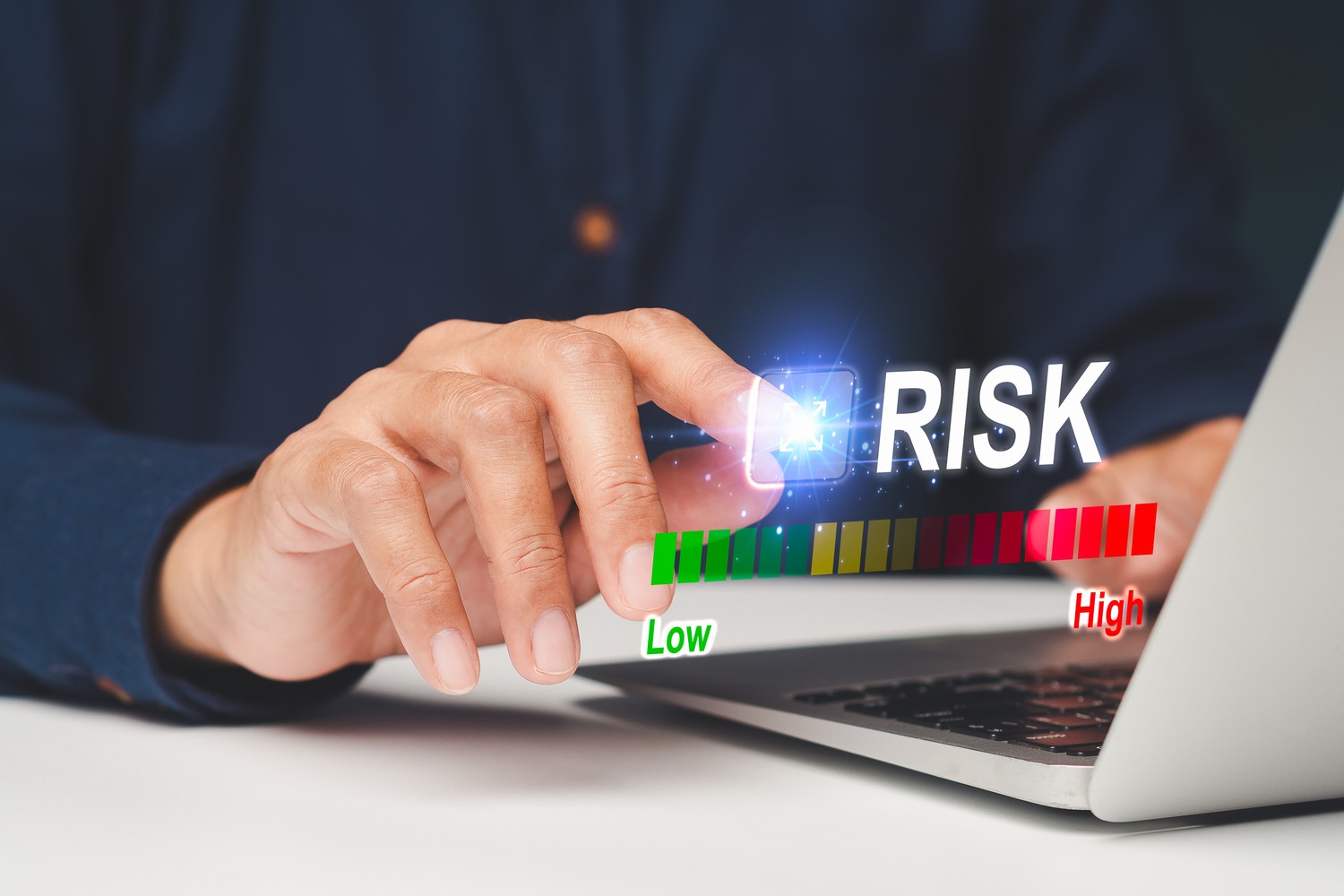
Not every unknown financial firm is dodgy. However, you should be particularly wary if you spot these warning signs:
Platforms that advertise automated crypto trading or artificial intelligence are particularly popular. The software is supposed to trade autonomously and generate profits effortlessly.
Added to this are deepfakes: AI-manipulated videos in which well-known personalities promote fraudulent investment schemes.
One particularly insidious scam is known as ‘pig butchering’, a combination of romance and investment fraud. Using dating apps or social media, fraudsters first establish a personal relationship. Once trust has been built, they lure their victims onto fake crypto platforms.
Important: Never disclose the seed phrase (recovery phrase) for your crypto wallet. Anyone who knows these words can steal your cryptocurrencies.
Cryptocurrencies are not inherently fraudulent. However, transfers to unknown wallet addresses cannot usually be reversed.

A few simple checks can help you spot many suspicious offers at an early stage:
Check the company: Check the legal notice and search for Swiss companies in the Zefix commercial register. However, a register entry alone does not guarantee the company’s legitimacy.
Consult FINMA: Check the FINMA warning list and, if necessary, the provider’s licence. Companies not listed there are not automatically trustworthy.
Check the domain age: ICANN Lookup can often reveal when a website was registered. A new domain is hardly consistent with a purported long-standing track record of success.
Check advisers’ photos: A reverse image search using Google Lens can reveal whether the same photos appear under different names.
Also check the exact web address. Fraudsters even copy the websites of well-known financial firms. Never grant unknown advisers remote access to your computer or smartphone.
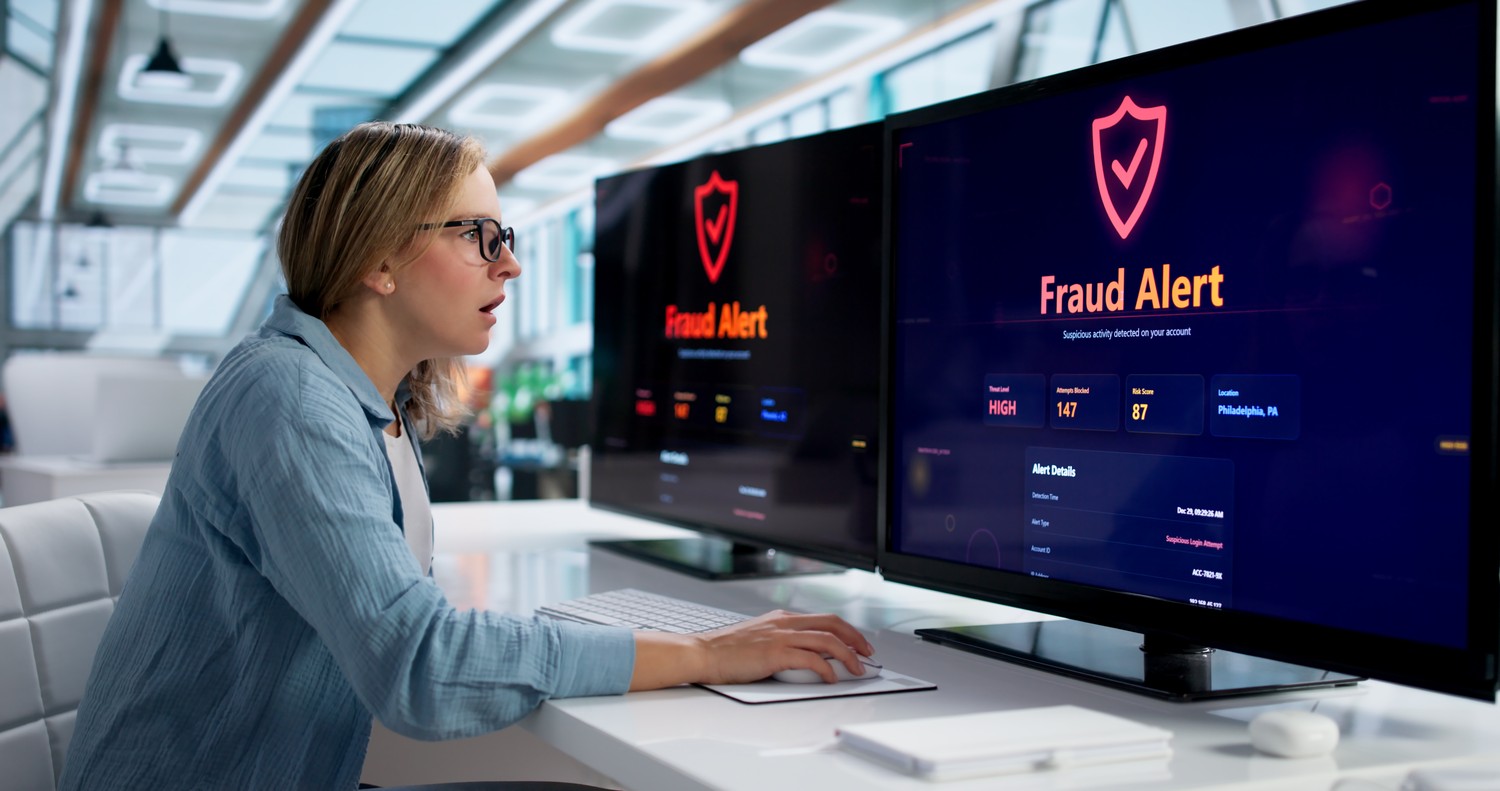
If you suspect an investment scam, you should act quickly:
Stop any further payments: Do not transfer any more money, not even to release your funds.
Contact your bank or card provider: Ask them to check whether payments can still be stopped or recovered.
Secure evidence: Keep payment receipts, chat histories, emails and screenshots.
Protect your accounts: Change any affected passwords and have your devices checked following any remote access.
Report the incident: Contact the police. You can also report suspicious providers to FINMA or the Federal Office for Cyber Security (BACS).
Beware of recovery scams: Some fraudsters later promise to recover your lost money – in return for an advance payment. This recovery scam is yet another trap.

Professional-looking websites, friendly advisers and impressive profit figures are no guarantee of reliability. Check unknown providers carefully and never let yourself be pressured into making a hasty investment. It is better to miss out on a supposed investment opportunity than to lose your savings.

© Swiss Bankers 2026


 Compare cards and conditions

