


Important information:
Am 10. April 2024 wurden das Kundenportal sowie der Web-Zugriff auf das Kartenkonto eingestellt. Bitte laden Sie die Swiss Bankers App herunter, um weiterhin uneingeschränkten Zugriff auf alle Dienste zu haben.
Are you a Swiss Bankers sales partner?
Hier geht es zum Partnerportal.
Your phone rings. Someone claiming to be a bank employee warns you about a suspicious transaction and promises to keep your money safe. Shortly afterwards, you may even receive a call from someone claiming to be the police – but behind these concerned voices lie criminals. In April 2026, the Federal Office for Cyber Security (BACS) reported a spate of fraudulent calls made in the name of well-known Swiss banks. Find out how such scams can reach right on your doorstep and how you can protect yourself and your loved ones.
 26.11.2026
 Miryana
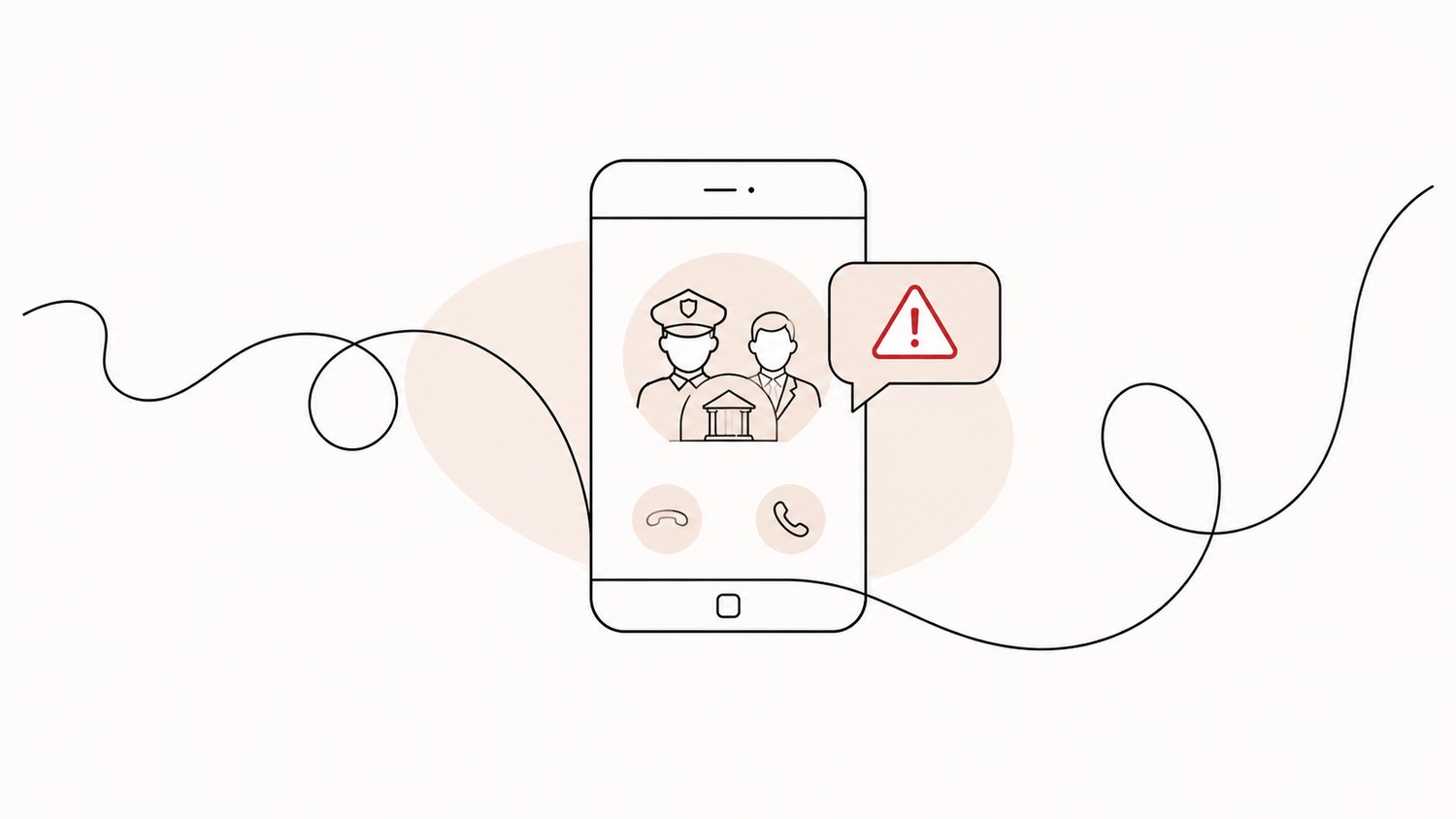
What begins with an allegedly suspicious transaction can develop into a complex fraud attempt. It is particularly insidious when several criminals take on different roles.
For example, following a call from a supposed bank employee, a purported police officer may then get in touch to confirm the story. The consistency of their statements gives the impression that there is indeed a genuine threat and that the bank and the police are working together to protect your assets.
As the Schwyz Cantonal Police warn, fraudsters sometimes even claim that bank staff are involved in criminal activities. This is intended to prevent those affected from contacting their bank or discussing the alleged investigation with others.
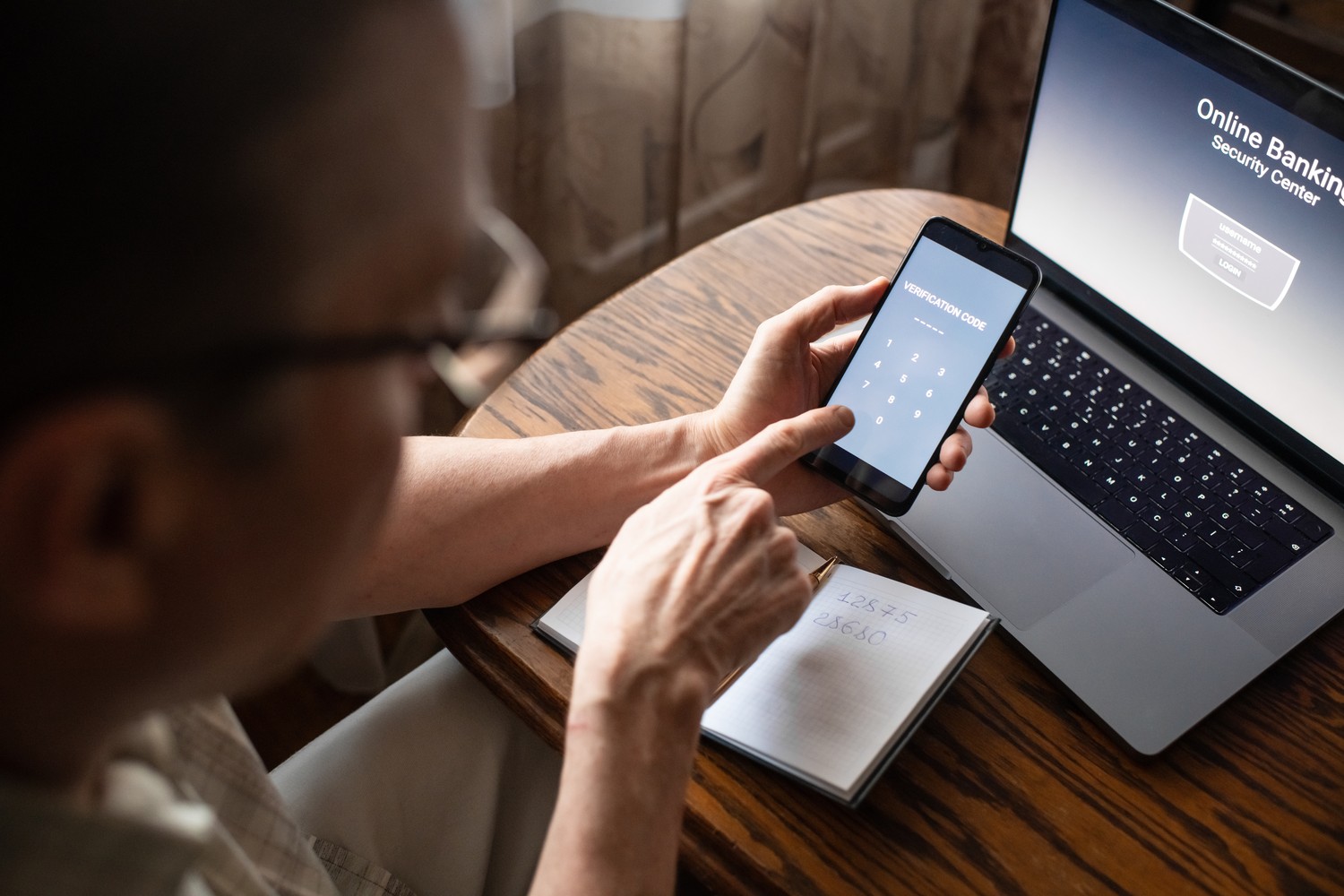
Under the pretext that your bank account is no longer secure, fraudsters ask you to temporarily transfer your money to a supposedly secure account. What sounds like a professional security measure is in fact a scam: rather than protecting your assets, the money ends up in the hands of criminals.
Remember: a reputable bank will never ask you, following an unexpected phone call, to transfer your money to an unknown ‘security account’.
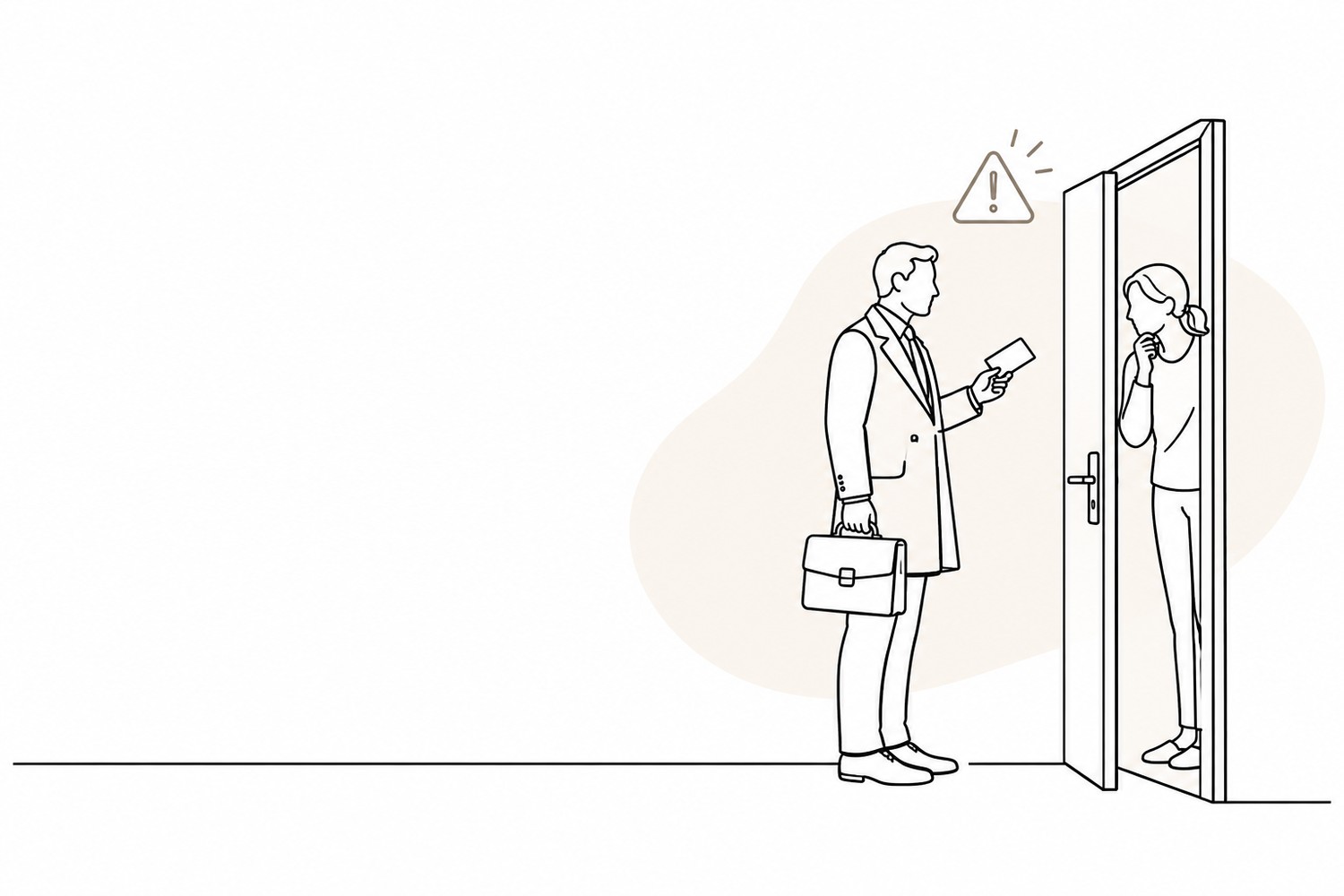
It doesn’t always stop at a bank transfer or the disclosure of confidential information. In some cases, the fraud attempt comes right to your own front door.
A supposed bank employee, police officer or authorised courier turns up in person to supposedly secure payment cards, cash, jewellery or other valuables that are at risk. It is precisely this face-to-face approach that can lend the story added credibility. However, neither an ID card shown to you nor a professional demeanour is reliable proof of the other person’s identity.
Important: Never hand over cards, cash or valuables in response to such a request made over the phone. Do not let unknown people into your home in these situations, and contact the police if a fraud attempt is underway.

In this scam, criminals specifically try to isolate victims from their trusted circle and independent sources of information.
Be particularly vigilant if:
you are allegedly not allowed to tell anyone about an ongoing investigation.
You are advised not to contact your bank or the police yourself.
You are told not to end the current telephone call.
Several supposed experts confirm unusual financial demands.
You are told that someone will come to collect cash, cards or valuables in person.
Good to know: Swiss Bankers and Mastercard will never ask you to disclose, change or confirm personal details such as your card number, expiry date, card security code, username or passwords.
Nor does the Swiss police ever call from the emergency number 117 or ask you to hand over money or valuables for their supposed safekeeping.
Video: Telephone scams: Don’t worry! Just hang up.
Swiss Crime Prevention sums up the most important protective measure: simply hang up!
Check the claims against the official contact details of the institution in question. If you are the target of an ongoing fraud attempt, contact the police. You can also report suspicious cyber incidents via the BACS reporting portal.
Have you already transferred money or disclosed confidential information? Contact your bank or card provider immediately. You can find further immediate steps to take in our article ‘Vishing: How to spot fraud attempts over the phone’.
Working together to combat fraud:
Raise awareness amongst your relatives, particularly older family members, and take precautions together:
Agree on a trusted contact: Decide who should be contacted in the event of unusual requests for money.
Save contact details: Save important official telephone numbers directly in your phone.
Discuss scams: Use specific examples to explain how convincing fake bank staff and police officers can be.
Our tip: Encourage open communication within the family. No one should feel compelled, out of fear or shame, to keep suspicious calls or requests for money a secret.
Even if several people confirm the same story, that does not mean it is true. Do not let yourself be dissuaded from independently verifying unusual claims, whether by supposed authorities or by alleged investigations.
Anyone who genuinely wants to protect your money will not stop you from checking for yourself.

© Swiss Bankers 2026


 Compare cards and conditions

