


Important information:
Am 10. April 2024 wurden das Kundenportal sowie der Web-Zugriff auf das Kartenkonto eingestellt. Bitte laden Sie die Swiss Bankers App herunter, um weiterhin uneingeschränkten Zugriff auf alle Dienste zu haben.
Are you a Swiss Bankers sales partner?
Hier geht es zum Partnerportal.
The price is tempting, the website looks professional, and delivery is promised within just a few days – yet the parcel never arrives. What seemed like a great bargain could turn out to be a fake online shop. Especially around Black Friday and Christmas, scammers lure shoppers with irresistible deals. Discover how fake shops operate, how to spot the warning signs, and what to do if you've already fallen victim to one.
 11.10.2026
 Miryana

Fake shops are fraudulent online shops that pose as legitimate retailers. Their aim is to collect money for orders without delivering the promised goods. Some even go so far as to copy the look and feel of well-known brands and retailers. Disappointment often follows payment: the goods ordered are not delivered, or substandard products – or even counterfeits – arrive instead. In some cases, the fraudsters also attempt to steal personal data or credit card details.
Fake online shops are often difficult to spot. But if you look more closely, you’ll often discover suspicious details.
You should be aware of these warning signs:
Prices that are too good to be true: A brand-new smartphone for CHF 399 instead of CHF 1,199? You should be wary of extremely cheap branded products from unknown shops.
Fake brand websites: Designer sunglasses with 80% off? The shop looks legitimate, but suspicious additions such as «-outlet-sale» in the web address could indicate a fraudulent website.
Missing or dubious legal notice: If the company name, address or contact details are missing, or if the information appears contradictory, you should be wary.
Unusual payment methods: At first, various payment options are offered, but at the checkout, suddenly only a bank transfer is possible? This can be a warning sign.
Suspicious customer reviews: Only five-star reviews, similar wording or a lack of independent testimonials may suggest that reviews have been manipulated.
False sense of urgency: «Only 2 left in stock!» or «Offer ends in 10 minutes!» Such messages are designed to rush you into buying before you have time to check the shop.
Unclear delivery and returns policies: A lack of information on delivery charges, delivery times or returns is another warning sign.
Important: A Swiss web address ending in ‘.ch’ or the padlock symbol in your browser does not guarantee that an online shop is reputable. Pay particular attention if several warning signs appear together.

Photo: An example of a fake shop.
Spotted a tempting offer, but you’re not familiar with the shop? Just a few minutes’ research can save you from making an expensive mistake.
These tips will help you assess unknown retailers more effectively:
Check reviews: Search for the shop’s name alongside terms such as ‘reviews’ or ‘scam’. Look out for independent reviews and warnings.
Check the commercial register: Does the retailer claim to be a Swiss company? Verify its details in the official Zefix commercial register.
Look out for quality marks: The Swiss Online Guarantie is a Swiss quality mark. Check whether the shop is actually certified – even quality marks can be forged.
Check for authorised retailers: Are branded products on offer? Check the manufacturer’s website to see if the shop is listed as an authorised retailer.
Check the online shop: The free ‘Fakeshop-Finder’ from Germany's consumer advice centres checks online shops for potential signs of fraud. Swiss shops can also be checked. Another useful option is iBarry's website checker, a Swiss tool for identifying potential website security risks.
Good to know: These checks do not offer 100 per cent certainty. If you still have doubts, it is better not to place an order.
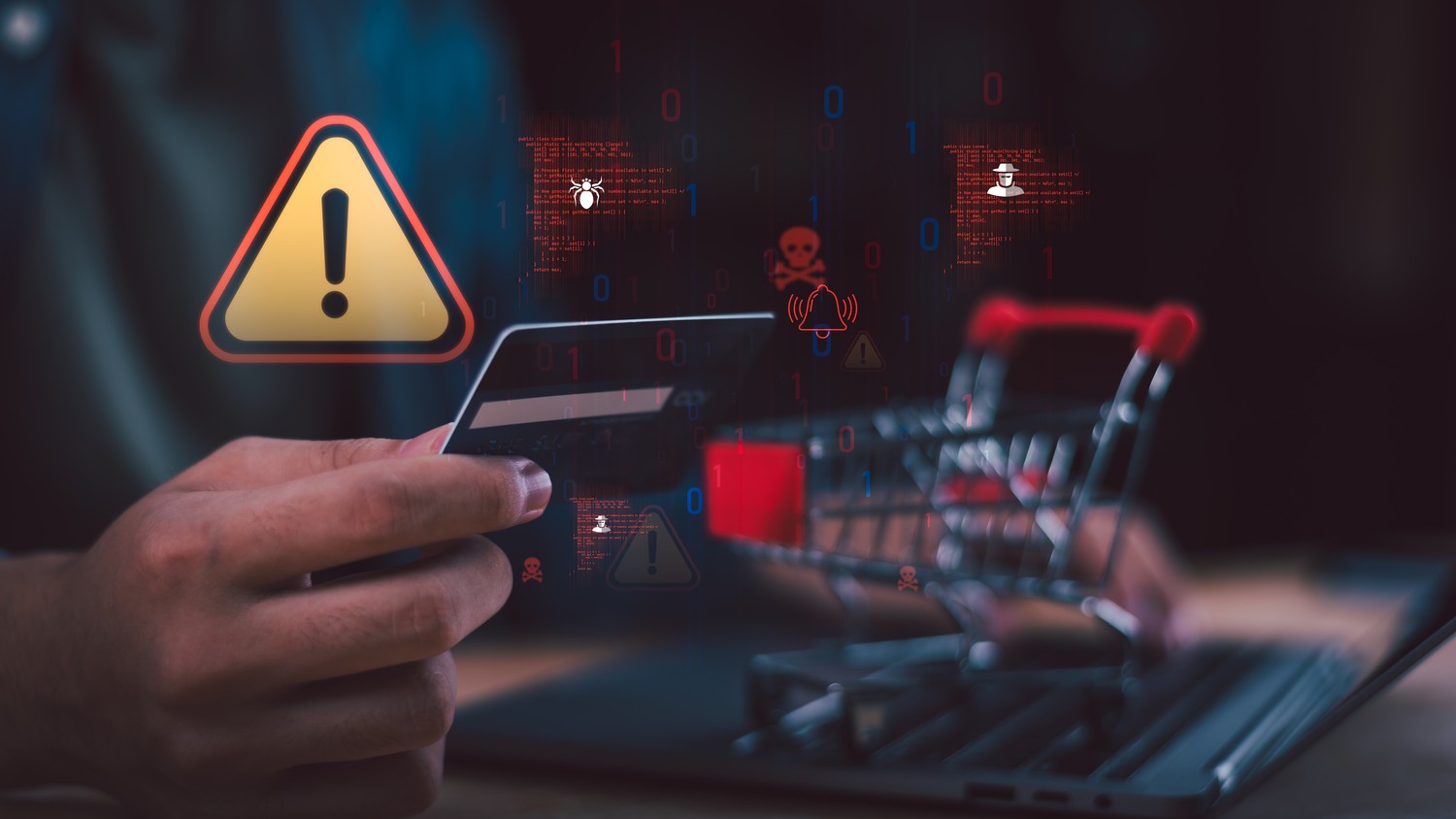
Does the online shop look trustworthy and is the product you want already in your basket? Before you complete your order, you should remain vigilant when making the payment. Choosing the right payment method and taking a few simple security measures can significantly reduce the risk of financial loss.
Follow these tips to pay more securely online:
Opt for secure payment methods: Where possible, use payment on account or payment methods that allow for disputes. With credit card payments, a chargeback may be possible under certain circumstances.
Check payment authorisations: Before confirming any payment, check the retailer’s name and the amount. Never authorise a payment that you haven’t initiated yourself.
Use payment details securely: Only enter your card details on trusted payment pages and, where possible, do not save them permanently with unknown merchants. Never share your PIN or payment authorisation codes with others over the phone, by email or via text message.
Use the Swiss Bankers app: Enable push notifications and check your card transactions regularly. This will help you spot suspicious charges more quickly.
Good to know: A prepaid credit card can help you limit your available spending when shopping online. As only the pre-loaded balance is available, you can keep your spending under better control. However, even a prepaid card does not provide complete protection against fraudulent purchases.
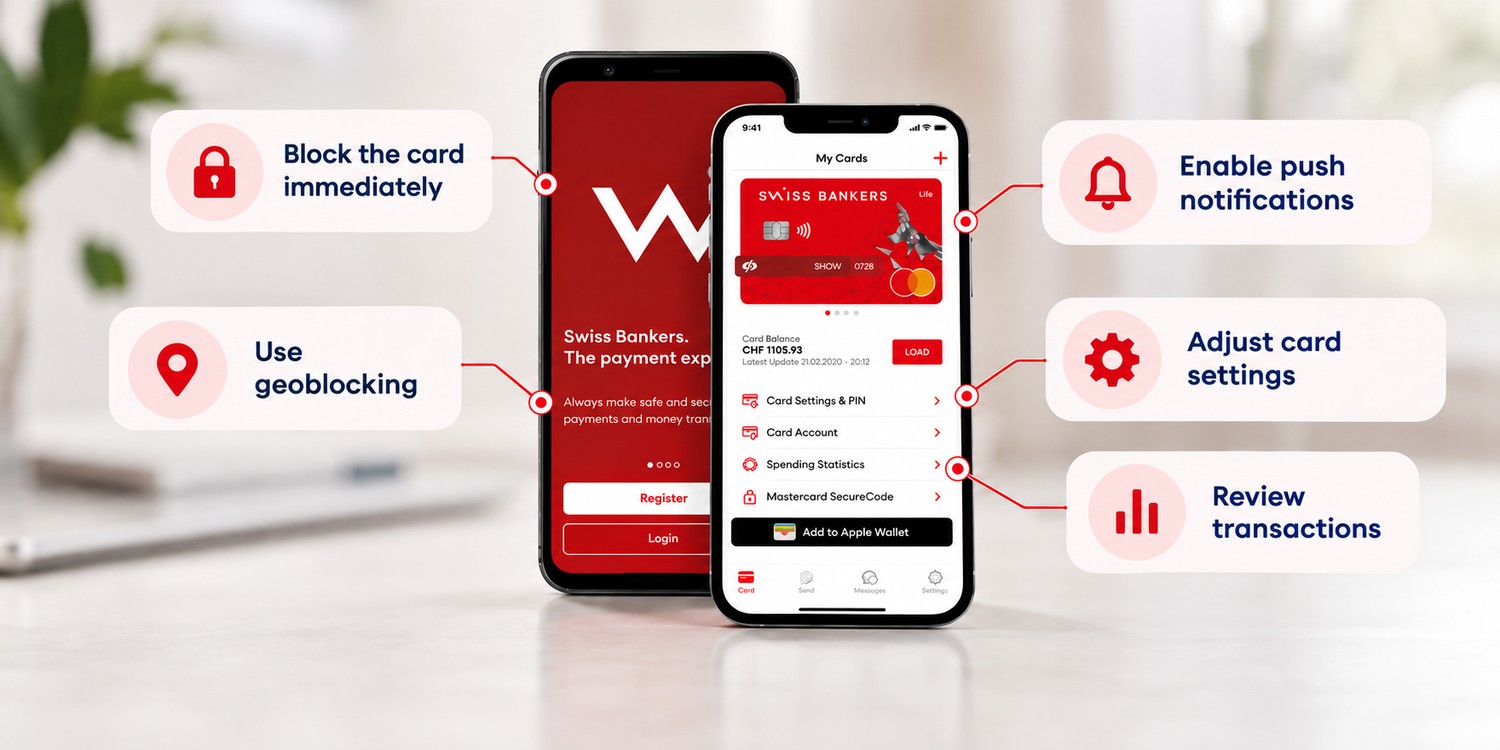
Have you paid for your order, but the parcel never arrived? Has customer service stopped responding, or have you noticed unrecognised charges on your card statement? Act quickly to prevent further financial loss.
Here are the steps you should take:
Contact your bank or card provider: Report the suspected fraud immediately and find out whether the payment can be disputed or a chargeback can be investigated.
Block or replace your card: If you suspect that your payment details have fallen into the wrong hands, contact your card provider immediately. With Swiss Bankers, you can arrange for your affected card to be replaced via the ‘Replace card’ self-service feature in the app.
Secure evidence: Save order confirmations, payment receipts, emails and screenshots of the online shop. These may be helpful if you need to make a complaint or report the incident to the police.
Change your passwords: Did you use a password on the fake shop that you also use for other accounts? Change it there immediately and, if possible, enable two-factor authentication.
Report fraud: If you have suffered financial loss, report it to the police. You can also report suspicious online shops to the National Cyber Security Centre (NCSC).
Good to know: Whether you get your money back depends on the payment method, the circumstances of the fraud and the applicable terms and conditions. The sooner you act, the better your chances of limiting further losses.

Fake online shops can be difficult to spot. However, by checking unfamiliar retailers, choosing secure payment methods and monitoring your card transactions, you can significantly reduce the risk of fraud.
The golden rule: Check before you buy – especially when a deal seems too good to be true.

© Swiss Bankers 2026


 Compare cards and conditions

