


Important information:
Am 10. April 2024 wurden das Kundenportal sowie der Web-Zugriff auf das Kartenkonto eingestellt. Bitte laden Sie die Swiss Bankers App herunter, um weiterhin uneingeschränkten Zugriff auf alle Dienste zu haben.
Are you a Swiss Bankers sales partner?
Hier geht es zum Partnerportal.
Italy, the land of la dolce vita and breathtaking landscapes, is a popular destination for tourists from all over the world. But Italy can also be expensive, especially if you visit the main tourist attractions and dine in upmarket restaurants. But don’t worry – there are plenty of ways to travel on a budget in Italy without having to miss out on the authentic Italian experience.
 13.06.2024
 Eliza
Contents:
1. Choosing the right time to travel: Travelling outside the peak season
6. Discovering Italy on a budget: Make use of discount cards and passes
8. Drinking on a budget in Italy: Use water from drinking fountains
9. Stay informed on a budget: Take advantage of free guided tours
10. Travel on a budget thanks to flexibility with flights and accommodation
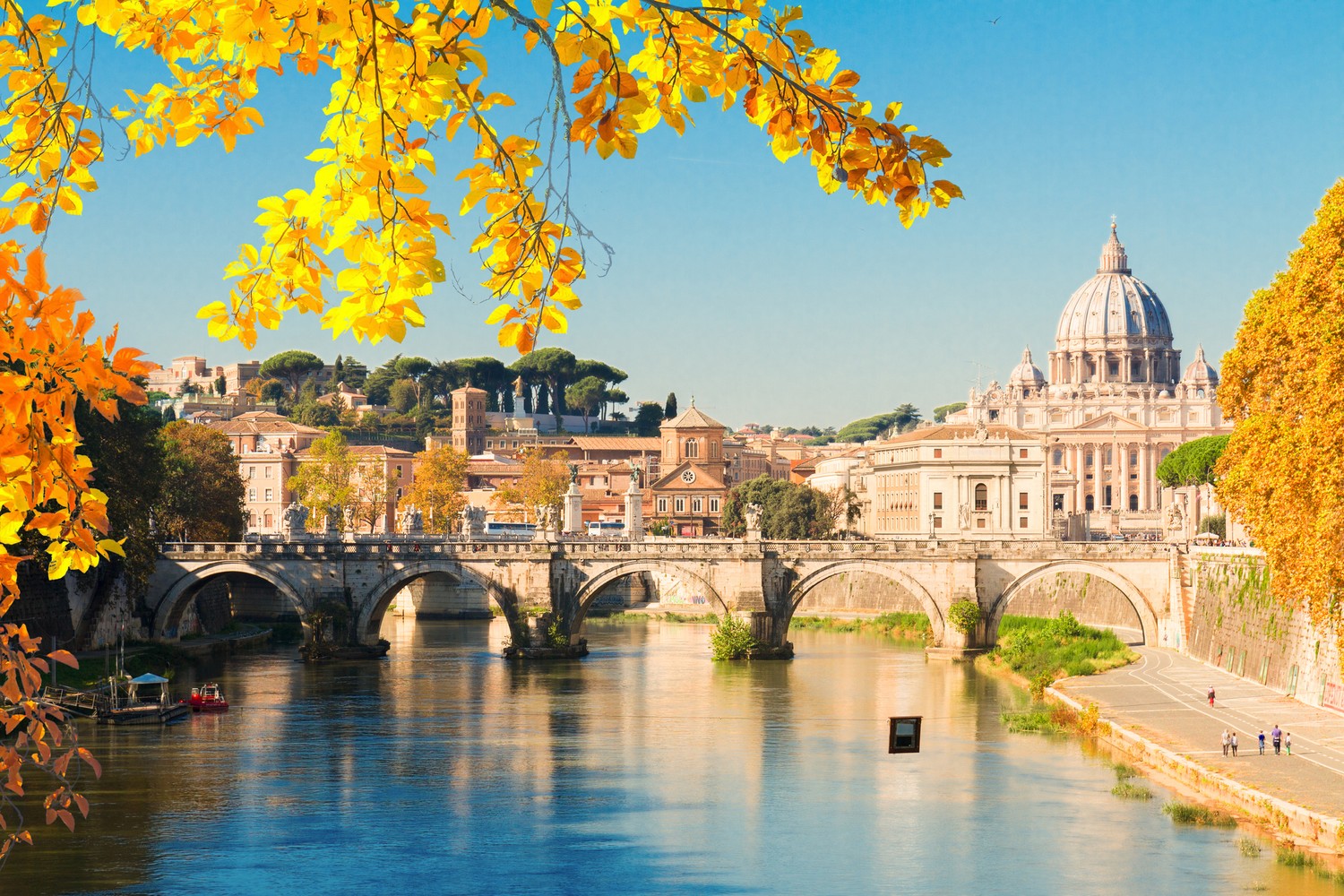
Photo: Book trips outside the peak season. Rome is less crowded and cheaper in autumn.
A simple way to travel on a budget is to choose the right time of year. The peak season in Italy runs from June to August, when prices for accommodation and flights reach their highest. Check out our list of Europe’s cheapest travel destinations for more tips and inspiration on affordable holiday spots! Instead, plan your trip for spring (April to June) or autumn (September to October). During these months, the weather is much more pleasant anyway, there are fewer tourists and prices are lower. Incidentally, it’s also worth travelling to Italy in winter – the coastal regions and the south, such as Calabria, often surprise visitors with mild temperatures of around 20 degrees. Perfect, then, for enjoying a few warm, sunny days and planning your holiday in Calabria now.
The Italian Riviera in Liguria, for example, was renowned during the Belle Époque for being a winter-only holiday destination for the rich and the aristocracy, who were drawn there by the mild climate.
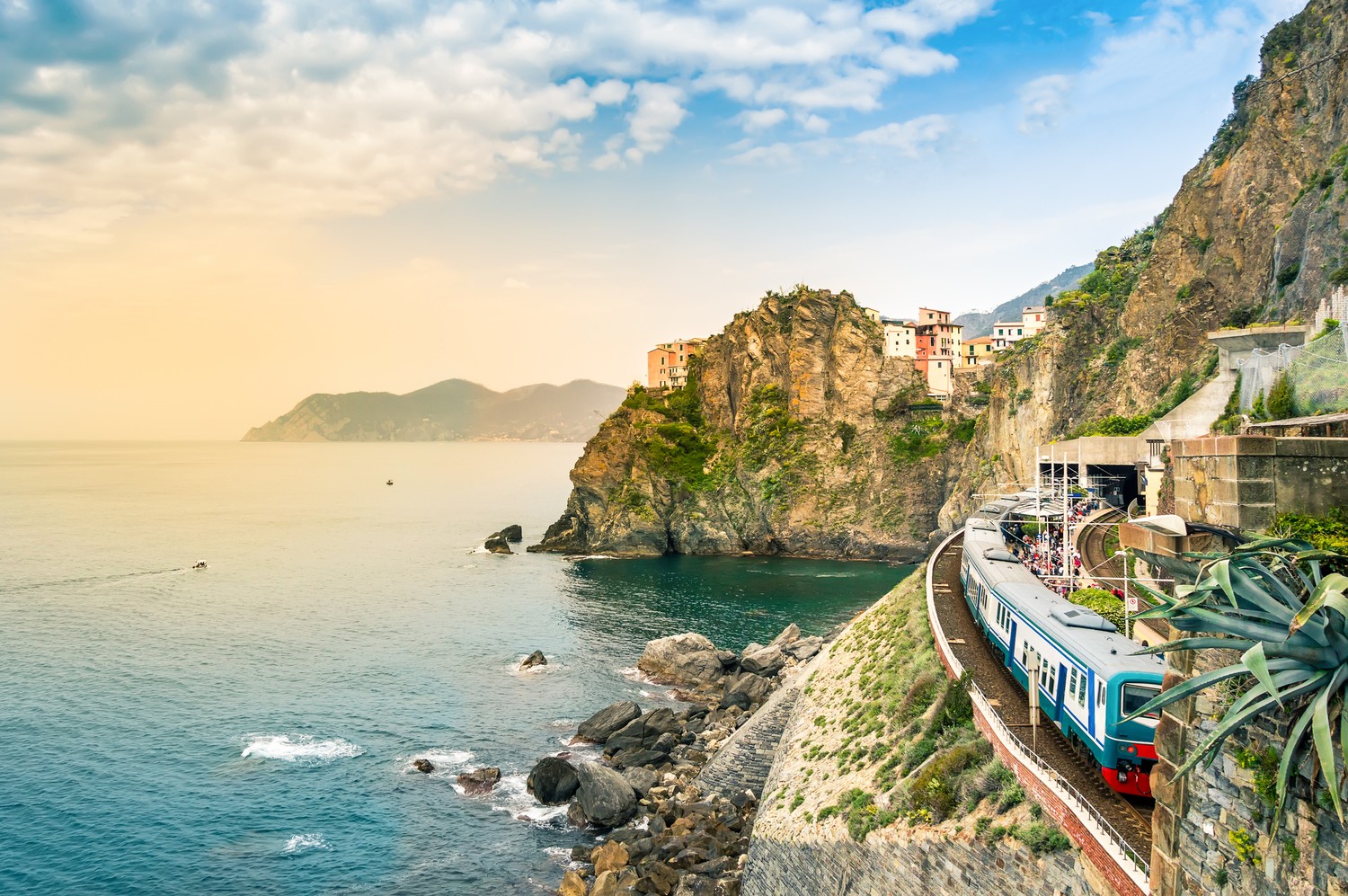
Photo: Travelling by train can be an affordable way to get around Italy; a journey along the coast is particularly lovely, such as here in Manarola, Liguria
Italy has a well-developed public transport network. Trains and buses are not only considerably cheaper than hire cars or taxis, but also a great way to explore the country. Regional trains in particular are very good value for money in Italy and also connect smaller towns with one another. With discount cards such as the Trenitalia Pass, tourists can travel by train throughout Italy at a low cost. In addition, larger cities such as Rome, Milan, Naples and Turin also have trams, which offer an efficient way to get around the city. In smaller towns or villages, there are buses that allow you to explore the area for very little money.
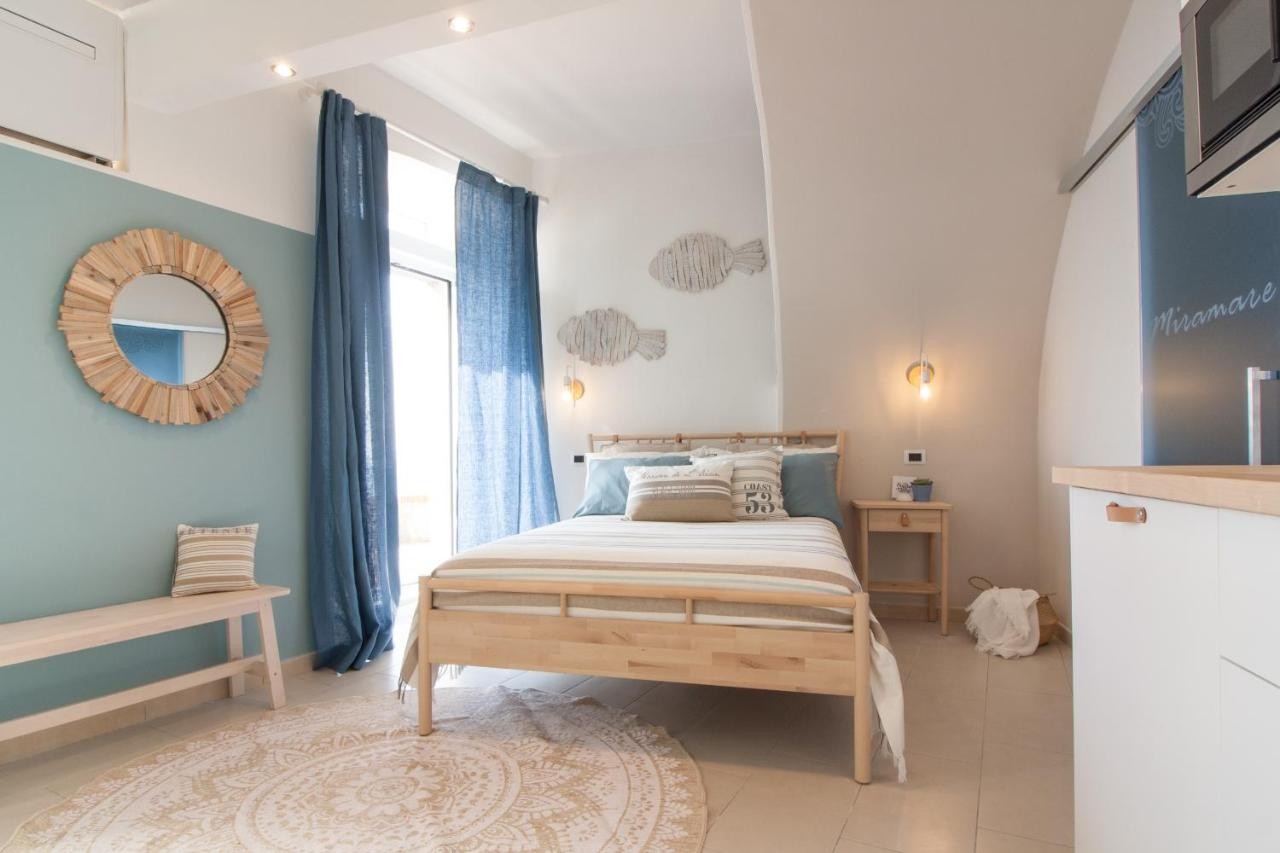
Photo: Holiday flats offer affordable accommodation, such as the
Miramare Love Nest 5 Terre Parco in Riomaggiore (Cinque Terre)
Instead of staying in expensive hotels, you should look for alternatives such as holiday flats, hostels or bed and breakfasts. Platforms such as Airbnb often offer affordable accommodation that is not only good value for money but also gives you the chance to cook for yourself and save even more. On Booking.com, you can also search specifically for holiday flats to find affordable accommodation, such as the Miramare Love Nest 5TerreParco in Riomaggiore, Cinque Terre. In larger cities, there are also plenty of hostels that offer affordable and sociable accommodation. Check out our list of Europe’s cheapest travel destinations for more tips and inspiration on affordable holiday spots!
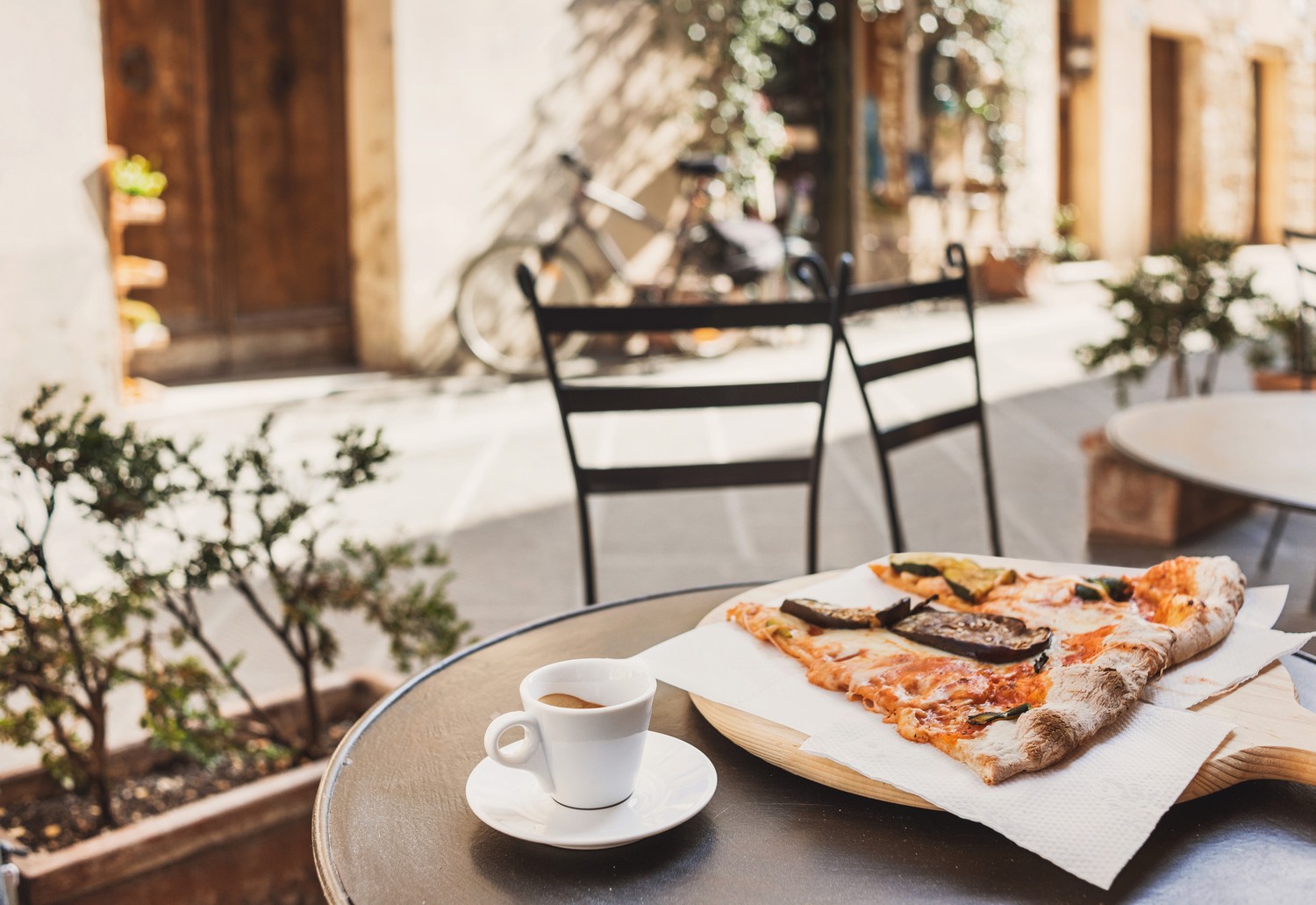
Photo: In trattorias or osterias away from the tourist hotspots, you can often find excellent food at a fair price
Eating out in Italy can be expensive, especially in tourist areas. However, there are plenty of opportunities to eat well and affordably. Keep an eye out for trattorias and osterias, which often serve authentic Italian cuisine at reasonable prices. Avoid restaurants near major attractions and opt instead for places frequented by locals. These are usually located a little away from the tourist hotspots, tending to be found in the smaller side streets. Aperitifs are also an affordable way to have a light bite in the evening. Many bars offer snacks or even small buffets with a drink during the typical aperitivo hour.

Photo: Look out for free sights and activities: St Peter’s Basilica in Rome, for example, can be visited free of charge
Italy offers a wealth of free attractions and activities. Many churches and basilicas, such as St Peter’s Basilica in Rome, can be visited free of charge. Most towns and villages themselves are also like open-air museums that you can explore for free. These smaller villages and towns, situated away from the crowded tourist hotspots, usually offer a much more authentic glimpse of the typical Italian way of life. Here, you’ll often easily find bars and restaurants where you can enjoy delicious food and drink whilst saving money. Be sure to check out free museums and events too. In Rome, for example, most state-run museums are free to visit on the first Sunday of the month.

Photo: Make the most of special discount cards for tourists, such as the Roma Pass or the Firenze Card, to save money
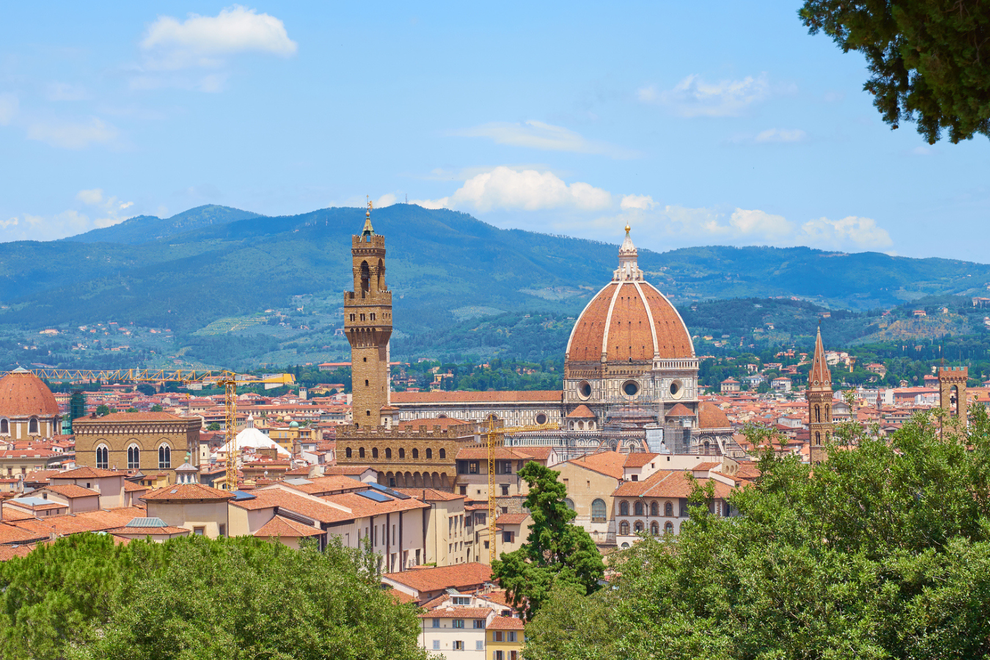
Many cities in Italy offer special discount cards for tourists, which provide access to several attractions as well as free or discounted travel on public transport. Examples include the Roma Pass in Rome and the Firenze Card in Florence. These cards can help you save a considerable amount if you plan to visit several attractions. It’s best to find out in advance what options are available at your destination or ask your hosts for tips.
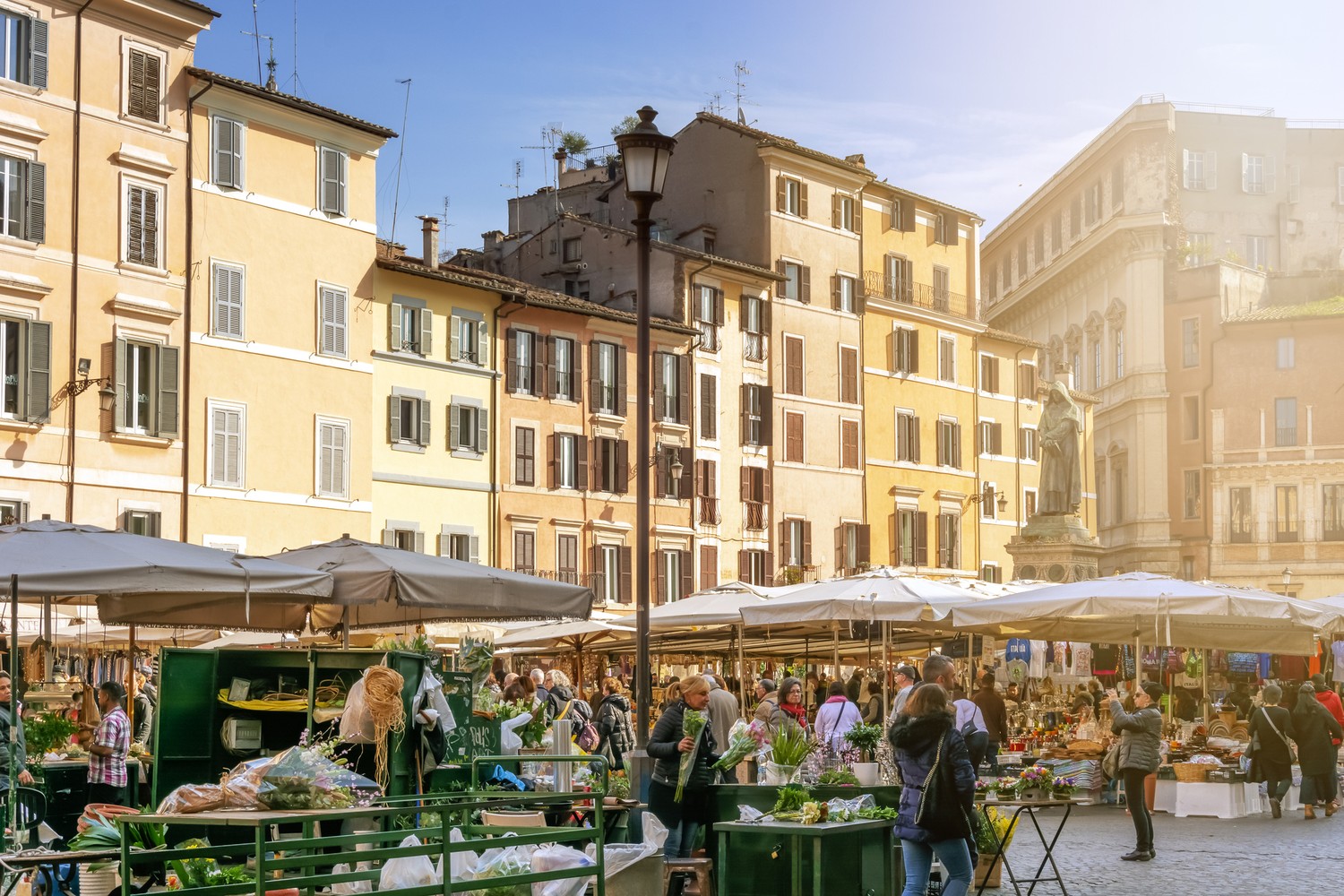
Photo: Markets such as the Mercato dei Fiori in Rome offer the chance to buy fresh produce at reasonable prices.
A visit to Italy’s local markets is not only a cultural experience, but also an opportunity to buy fresh produce at local prices. Markets such as the Mercato dei Fiori in Rome or the Mercato Centrale in Florence offer a wide variety of fresh food at affordable prices. Ask locals when and where weekly markets are held regularly. Here you can stock up on provisions for a picnic or buy excellent ingredients for a home-cooked meal in your holiday flat.
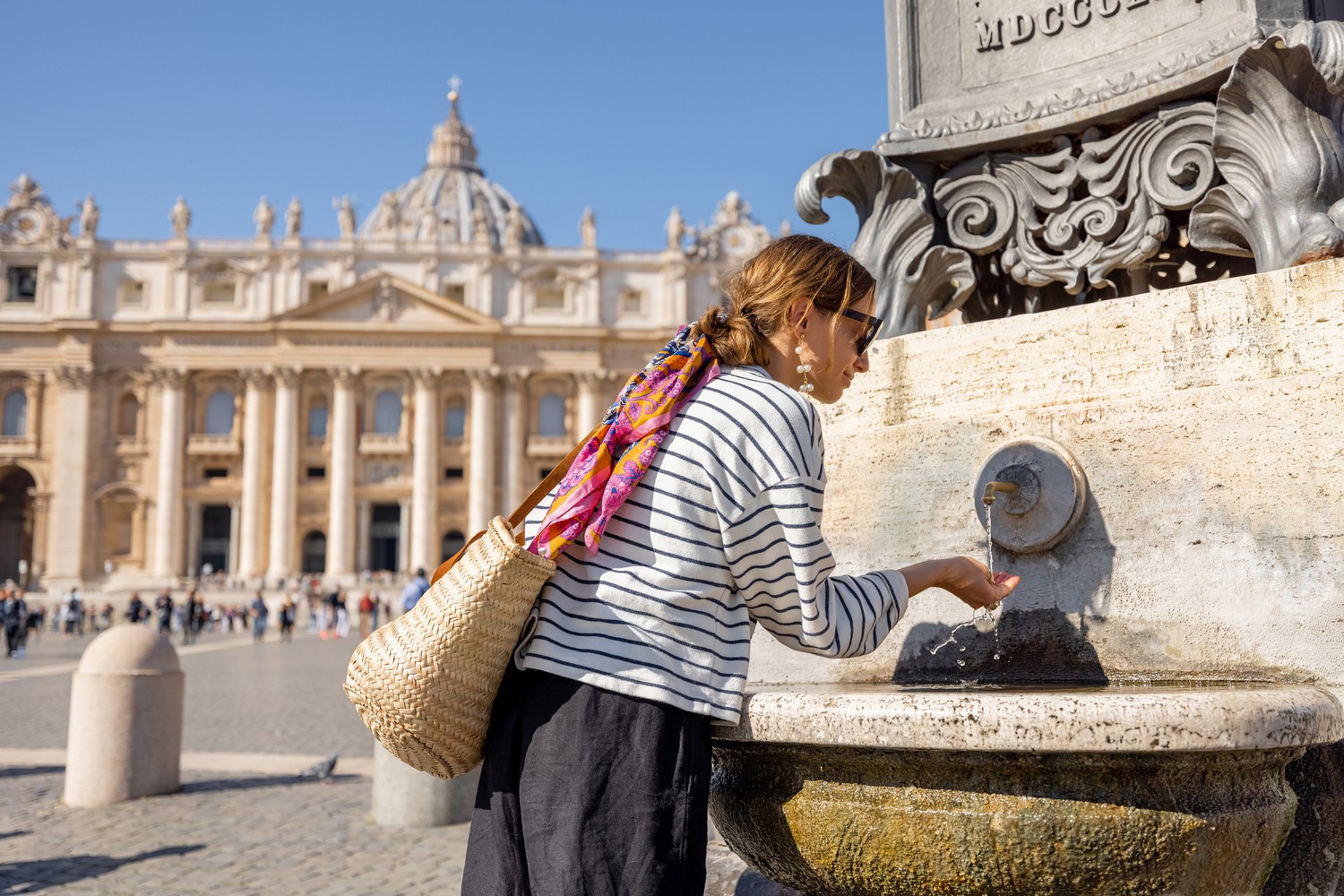
Photo: There are many fountains in Rome with drinkable water (aqua potabile), such as the so-called Nasoni
Italy is famous for its many drinking fountains, which can be found in almost every town and in many tourist spots. Instead of spending money on expensive mineral water, you can simply top up your water bottle at one of the many public drinking fountains. In Rome, for example, there are the ‘Nasoni’ – small drinking fountains found all over the city, from which fresh, free drinking water of the very highest quality flows. Pack a water bottle for your holiday and check the local drinking water quality in advance. If in doubt, there are also water bottles with a built-in filter that remove up to 99 per cent of all bacteria, viruses, impurities and even the taste of chlorine from the water – which you could take with you on your trip to Italy.

Photo: Let the locals show you around the city or book a free walking tour
In many Italian cities, free guided tours are offered by local guides. These tours, often known as Free Walking Tours, are a great way to learn more about the city’s history and culture without spending a lot of money. If you’re lucky, the guide might even give you a few insider tips along the way. Otherwise, just ask! The tour guide is bound to know some good, affordable restaurants and interesting, lesser-known corners of the city. At the end of the tour, you can tip the guide based on how satisfied you are and your budget.

Photo: To experience Italian cities such as Siena on a budget, you often need to be flexible when planning your trip
Flexibility is the key to travelling on a budget. Use flight search engines and compare prices to find the best deals. Flights during the week are often cheaper than at the weekend. The same applies to accommodation. Booking platforms such as Booking.com or ebookers.ch often offer last-minute deals, early-bird discounts or other special offers. Also, do check our Travel Deals section regularly, where we showcase exciting offers on flights, holiday packages, all kinds of accommodation and interesting discount promotions. If you’re flexible with your travel dates, you can make significant savings.
Conclusion: Italy is a fantastic destination that can be enjoyed even on a limited budget. With these tips, you can travel on a budget whilst experiencing the beauty and charm of this wonderful country. From choosing the right time to travel and using public transport to eating like a local, there are plenty of ways to save money. Enjoy your trip to Italy and experience the culture, history and cuisine of this unique country without having to dig deep into your pockets. Buon viaggio!
P.S.: Do take a look at our Travel Deals to find the latest offers for your dream destinations.

© Swiss Bankers 2026


 Compare cards and conditions

