


Important information:
Am 10. April 2024 wurden das Kundenportal sowie der Web-Zugriff auf das Kartenkonto eingestellt. Bitte laden Sie die Swiss Bankers App herunter, um weiterhin uneingeschränkten Zugriff auf alle Dienste zu haben.
Are you a Swiss Bankers sales partner?
Hier geht es zum Partnerportal.
Miami combines a tropical way of life with urban elegance: pastel-coloured Art Deco façades, wide Atlantic beaches and Latin American influences characterise the cityscape. Amidst Miami’s most famous landmarks, creative neighbourhoods and surprisingly tranquil natural spots, a destination emerges that is far more than just a traditional seaside resort. Those who take the time to explore will discover a city that strikes a balance between energy and serenity.
 04.03.2026
 Eliza
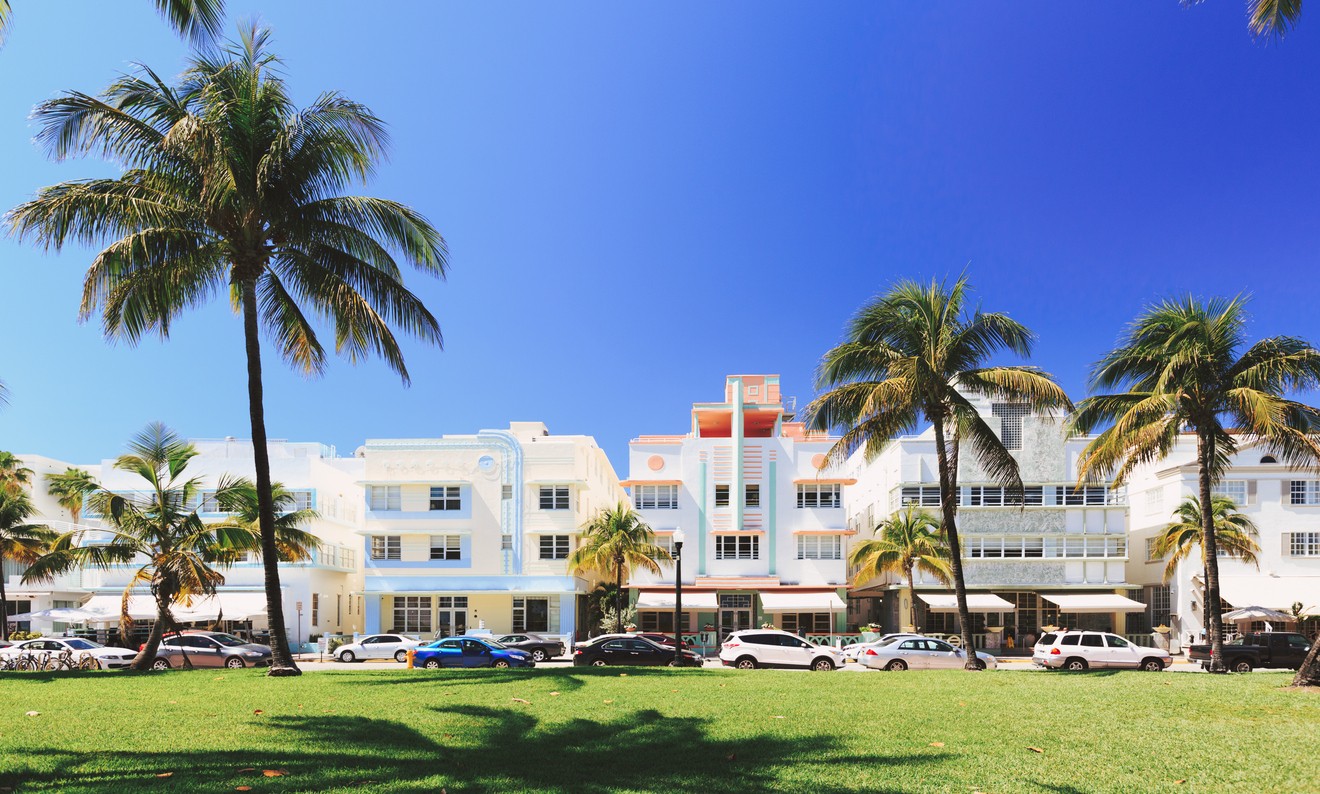
Photo: The famous Ocean Drive in South Beach epitomises Miami’s Art Deco heritage.
Miami thrives on contrasts. Modern skyscrapers are reflected in the waters of Biscayne Bay, whilst just a few streets away, pastel-coloured houses from the 1930s have been preserved. The city has an international feel, yet is surprisingly laid-back. Its proximity to nature is particularly striking. Mangroves, islands and kilometres of beaches lie just a few minutes from the city centre. This makes it easy to combine sightseeing with peaceful moments by the sea — a rhythm that clearly sets Miami apart from other US cities.
Don’t miss these sights in Miami:
Ocean Drive: The famous promenade in South Beach epitomises Miami’s Art Deco heritage. Pastel-coloured façades, palm trees and the nearby sea lend the boulevard a cinematic lightness, particularly in the early hours of the morning.
Vizcaya Museum & Gardens: The historic villa, with its Mediterranean-inspired gardens, feels like a European waterside estate. The architecture, sculptures and shaded paths create a tranquil contrast to the modern skyline.
South Pointe Park: Situated at the southernmost tip of Miami Beach, the park offers sweeping views of the Atlantic, the harbour and passing cruise ships — an ideal spot for a leisurely stroll.
Wynwood Walls: Large-scale murals by international artists transform the neighbourhood into an open-air gallery. Colours, shapes and creative energy shape the cityscape in a striking way.
Little Havana: In the heart of this Cuban-influenced community, you’ll experience music, cafés and traditional meeting places that authentically reflect Miami’s cultural diversity.
Miami’s attractions reveal themselves in many different guises — from historic villas to urban street art. On the beach, however, there is an iconic feature that has long since become the city’s unmistakable symbol.
Dotting the sands along Miami Beach like little works of art are the famous lifeguard towers. Each lifeguard station has its own unique colour and design scheme — ranging from pastel shades and minimalist styles to almost futuristic designs. It is precisely this diversity that makes the towers one of the city’s most recognisable landmarks.
Following a severe hurricane in the 1990s, many of the original towers were redesigned. Various architects created unique designs that combine functionality with creative aesthetics. Today, they define the visual character of the beaches and are among the most photographed sights in Miami.
A stroll along the Miami Beach Boardwalk or a cycle ride along the coast constantly offers new perspectives on these colourful structures. It is particularly in the soft light of early morning or just before sunset that the lifeguard towers reveal their distinctive charm — set against the sea, the sand and the vast sky.
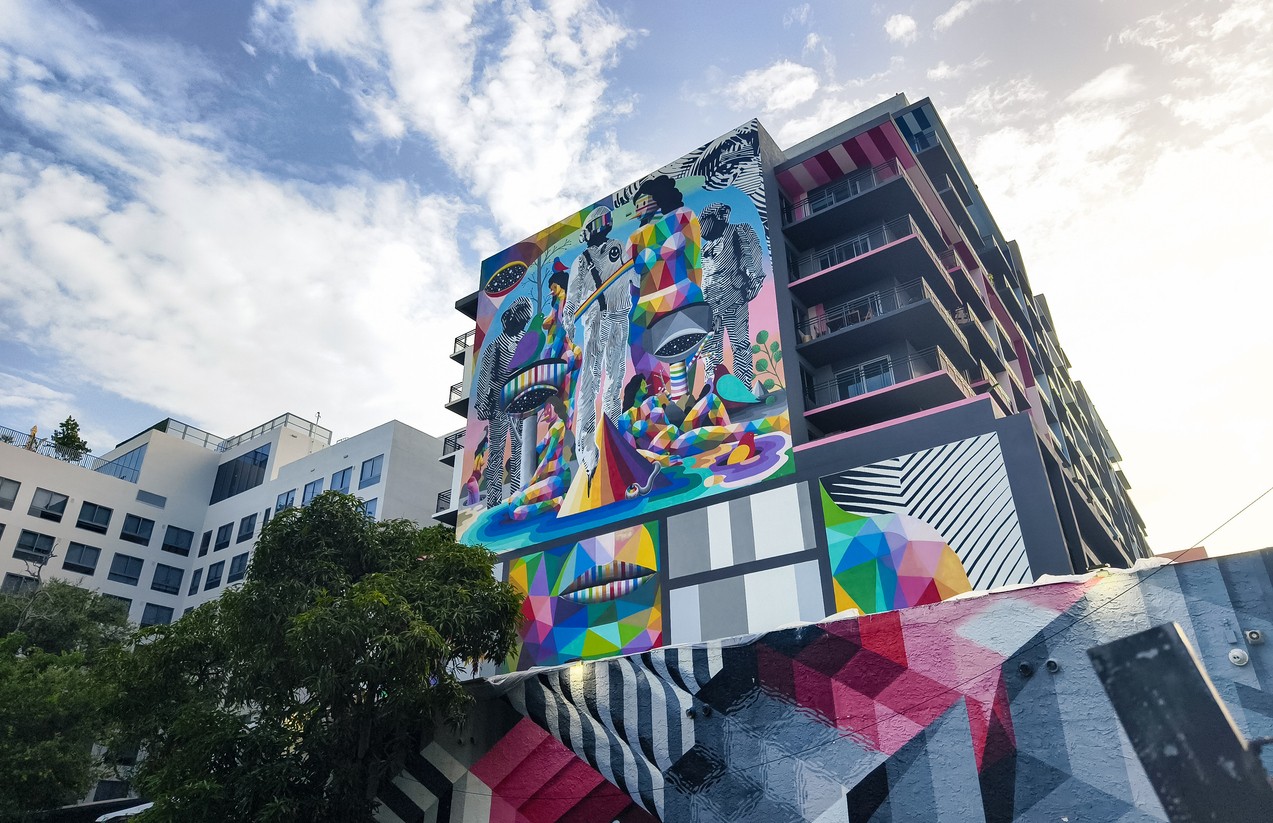
Photo: The former industrial district of Wynwood has developed into one of Miami’s most creative areas in recent years.
The best way to get to know Miami is often through its diverse neighbourhoods. Each neighbourhood has its own unique atmosphere and tells a different chapter in the city’s history — from Art Deco architecture to street art and Latin American influences. If you take the time to wander through the neighbourhoods, you’ll discover a surprisingly diverse side to the metropolis.
South Beach: South Beach is one of the city’s best-known neighbourhoods, combining the beach, architecture and a vibrant café culture. Around Ocean Drive, historic Art Deco buildings characterise the streetscape, whilst just a few steps away lies the wide sandy beach.
Wynwood: This former industrial district has developed into one of Miami’s most creative areas in recent years. Colourful murals, small galleries and design shops make Wynwood an open-air art district that really comes into its own when you’re strolling through its streets.
Little Havana: In the heart of the Cuban community, you can feel a cultural energy all of its own. Music drifts out of small bars, cigar shops line the streets, and around Calle Ocho, locals gather in Domino Park for a game of dominoes.
Design District: The Miami Design District is synonymous with contemporary architecture, galleries and international fashion houses. Amidst modern art, stylish boutiques and restaurants, a neighbourhood is emerging that elegantly combines creativity with an urban lifestyle.
These neighbourhoods showcase just how diverse Miami can be. Away from the major attractions, it’s therefore well worth discovering those quieter spots that allow you to experience the city from a new perspective.
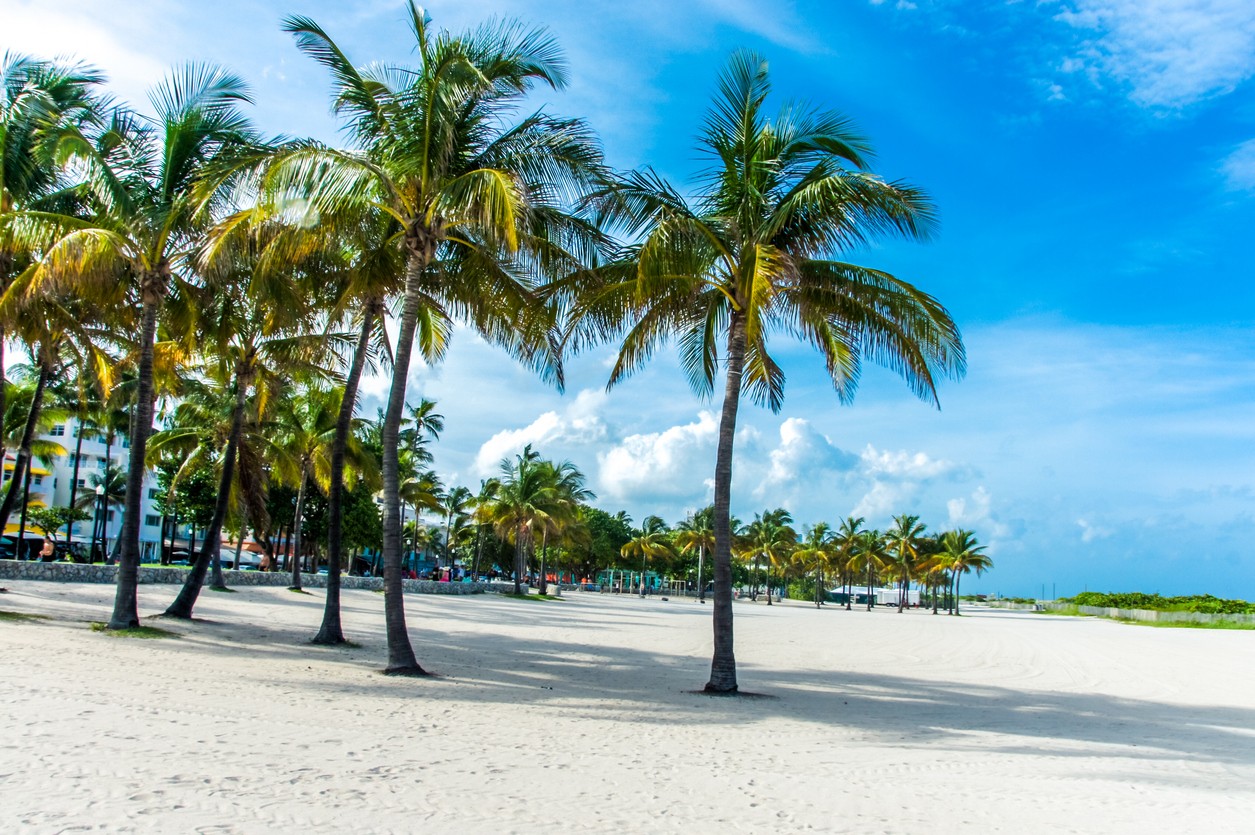
Photo: Wide beaches, palm trees and nature reserves characterise the landscape of the offshore island of Key Biscayne.
As well as Miami’s famous sights, it’s well worth discovering those places that lie a little off the beaten track. It is precisely here that the city often reveals its quieter and surprisingly diverse side — amidst nature, architecture and relaxed coastal landscapes.
A particularly lovely day trip takes you to Key Biscayne, an offshore island accessible via the Rickenbacker Causeway. Wide beaches, palm trees and nature reserves characterise the landscape here, whilst at Bill Baggs Cape Florida State Park, the historic lighthouse offers sweeping views across the Atlantic and the coastline.
The Venetian Pool in the Coral Gables neighbourhood is also one of the region’s more unusual spots. This historic open-air swimming pool was built in the 1920s in a former coral quarry and, with its grottoes, waterfalls and Mediterranean features, feels almost like a little oasis in the heart of the city.
Anyone wishing to experience Miami at its most relaxed will find one of the quieter stretches of beach at North Beach Oceanside Park. Shaded paths beneath palm trees lead directly to the sea here, creating an atmosphere that feels considerably more laid-back than in the bustling South Beach.
These hidden gems in Miami invite you to explore the city at your own pace — whilst also sparking your curiosity about the many activities on offer between the ocean and the natural surroundings.

Photo: Just a short drive from Miami, Everglades National Park is home to one of Florida’s most impressive natural landscapes.
As well as Miami’s famous sights, the city offers numerous opportunities to actively explore the surrounding area. Set against a backdrop of the Atlantic Ocean, offshore islands and subtropical nature, there are activities that combine sightseeing with exercise and the great outdoors in a delightful way. The following activities in Miami are particularly worth experiencing:
Everglades excursion: Just a short drive from Miami lies one of Florida’s most impressive natural landscapes. On an airboat tour, you’ll glide through mangroves, marshes and grasslands, gaining an insight into the Everglades’ unique ecosystem.
Boat trip through Biscayne Bay: From the water, a whole new view of the city’s skyline unfolds. Boat trips take you past small islands, luxurious villas and the offshore Keys, showing Miami from a particularly relaxing perspective.
Cycle ride along the Miami Beach Boardwalk: This long coastal path connects various sections of the beach and is ideal for a leisurely cycle ride. Palm trees, sea views and the characteristic lifeguard towers line the route along the coast.
Kayaking or stand-up paddleboarding in Biscayne Bay: Those who wish to experience nature even more directly can explore the bay’s calm waters by kayak or stand-up paddleboard. Particularly around Key Biscayne, tranquil mangrove landscapes and surprisingly clear stretches of water open up.
These activities reveal another side to the city: Miami isn’t just a place to discover, but one to experience actively and mindfully.
Miami offers a wide range of accommodation – from iconic beach resorts to creative design hotels. Particularly pleasant are those boutique hotels that combine a personal atmosphere with a good location. They are ideal for unwinding after a day of sightseeing and activities in Miami and for savouring the city’s vibe for a little longer. The following hotels in Miami come highly recommended:
Arlo Wynwood: Situated in the heart of the creative Wynwood district, this design hotel combines modern architecture with the artistic energy of its surroundings. Bright rooms, a rooftop terrace with a pool and a lively cocktail lounge area create an urban atmosphere that fits perfectly with the arts district.
Lennox Miami Beach: This boutique hotel in South Beach combines historic Art Deco architecture with modern design. A tranquil courtyard with a pool forms the heart of the complex, whilst the beach is just a few steps away. The elegant design and central location make the Lennox a stylish base for exploring Miami Beach.
Esmé Miami Beach: Situated around the charming Española Way, the Esmé blends Mediterranean architecture with modern boutique design. Small courtyards, rooftop terraces and a lively neighbourhood of cafés and restaurants give the hotel a special atmosphere in the heart of South Beach.
The Local House: This small boutique hotel in the quiet South-of-Fifth neighbourhood is one of Miami Beach’s most charming spots. Just a few steps from the beach, its bright rooms, a rooftop terrace and a small pool offer a relaxing retreat after a day in the city.
Circa 39 Hotel: Situated on Collins Avenue, just a few steps from the beach, Circa 39 combines vintage design with tropical ease. A leafy pool area, colourful décor and a personal atmosphere make this boutique hotel a stylish yet relaxed place to stay in Miami Beach.
These hotels demonstrate just how varied accommodation in Miami can be — from artistic city neighbourhoods to laid-back beach locations. And the city also has plenty to offer in terms of cuisine, as the following section shows.
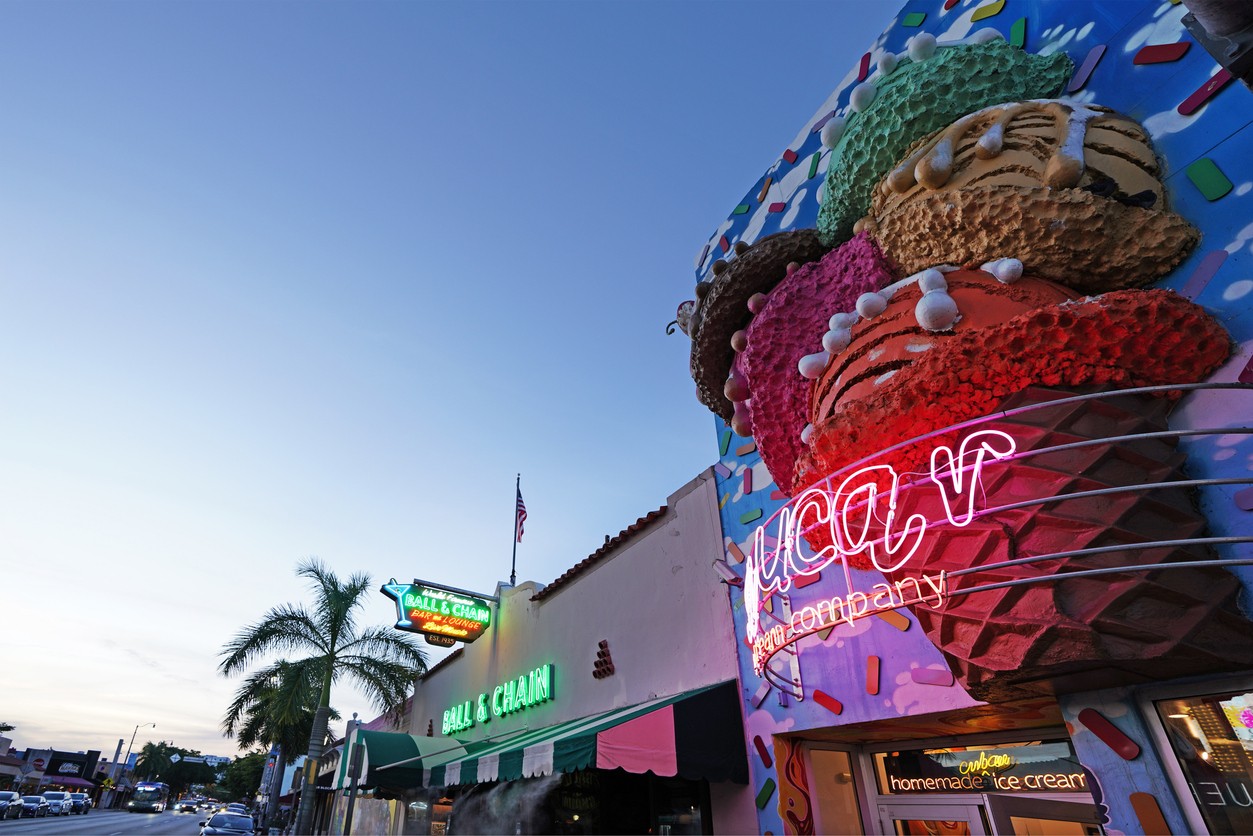
Photo: The small ice-cream parlour Azucar Ice Cream Company in Little Havana is known for its artisanal ice creams with a Cuban influence.
Miami’s cuisine reflects the city’s cultural diversity. Latin American, Caribbean and Mediterranean influences meet modern international gastronomy here. Many restaurants combine creative cuisine with a relaxed outdoor atmosphere — in Miami, dining quickly becomes part of the way of life, set against a backdrop of sunshine, music and sea breezes.
The MIA Market in the Design District offers a particularly pleasant introduction to the culinary scene. This stylish food hall brings together several modern dining concepts under one roof and provides an easy way to discover a variety of flavours — from Mediterranean dishes to sushi or creative sandwiches. At the same time, the modern architecture fits perfectly with the design-oriented atmosphere of the neighbourhood.
Anyone wishing to experience the city’s Cuban soul should pop into the historic Versailles Restaurant in Little Havana. For decades, it has been regarded as a community meeting place and is renowned for classic Cuban dishes.
The creative Wynwood neighbourhood is also home to a number of exciting restaurants. Zak the Baker, for example, is particularly popular: a modern bakery and deli renowned for its artisan breads and creative sandwiches.
For a sweet treat afterwards, it’s well worth popping into Azucar Ice Cream Company in Little Havana. This small ice-cream parlour on Calle Ocho is known for its artisanal ice creams with a Cuban influence.
Vegetarian and plant-based cuisine has also firmly established itself in Miami. Restaurants such as Love Life Café demonstrate just how varied vegan dishes can be — from creative bowls to innovative plant-based takes on classic street food dishes.
This culinary diversity makes one thing clear: in Miami, good food is just as much a part of the travel experience as the beach and the architecture. The following overview of the best times to visit and the local climate shows when a visit to the city is particularly worthwhile.
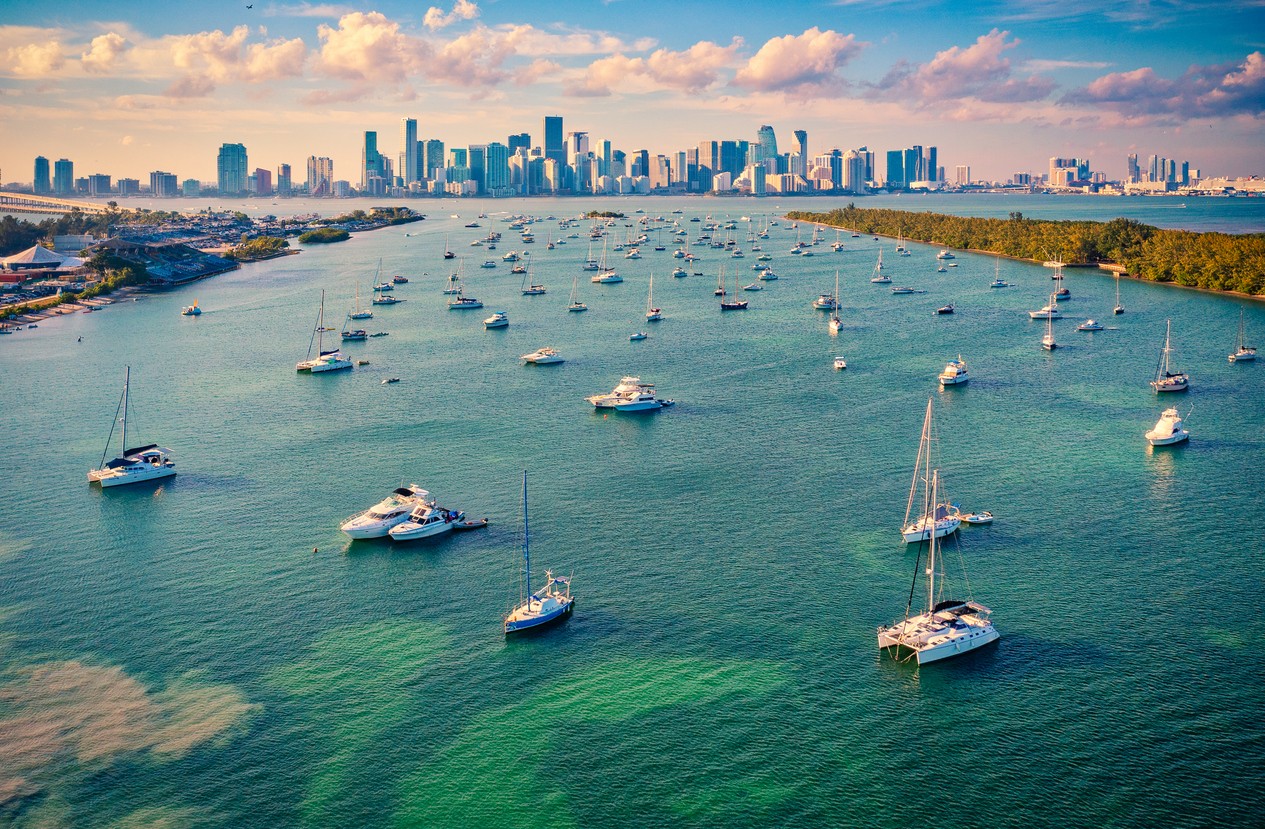
Photo: Whenever you travel — Miami offers a unique experience whatever the season.
Miami has a tropical climate with warm temperatures all year round. However, the travel experience varies significantly depending on the season — due to humidity levels, visitor numbers and weather conditions.
The period between November and April is considered a particularly pleasant time to visit. During these months, temperatures are usually warm but not too hot, and humidity remains relatively low. At the same time, the climate offers ideal conditions for exploring Miami’s attractions, strolling through the city’s neighbourhoods or spending time on the beach.
The summer months from May to October bring significantly higher temperatures and higher humidity. Short, often intense rain showers are a typical feature of the weather during this period. At the same time, the city feels greener and quieter, as there are fewer international travellers around.
Autumn can also be an interesting time to visit: the sea remains warm, temperatures are still summery, and many beaches feel more relaxed than during the peak season.
Whenever you choose to travel — Miami offers a unique experience in its own way at any time of year.
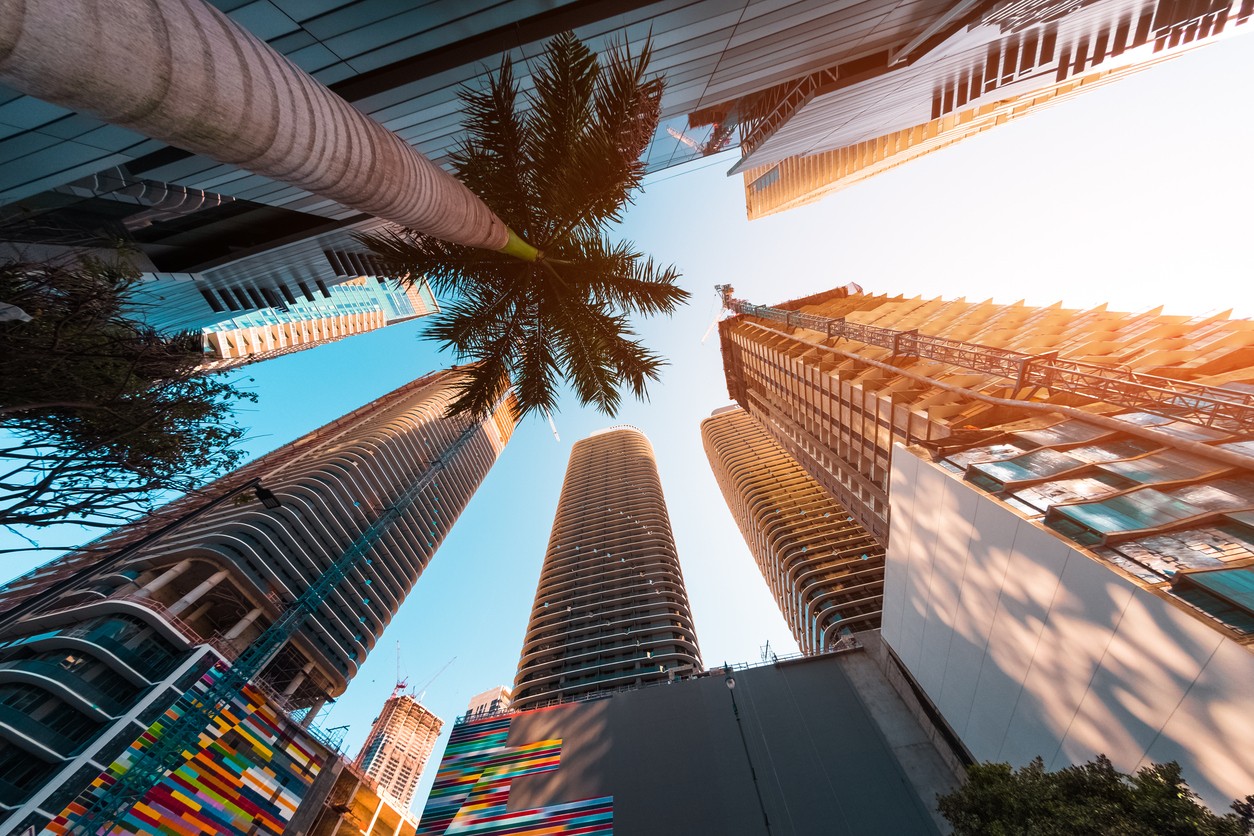
Photo: With a bit of preparation, Miami can be explored in a pleasant and relaxed way.
A trip to Miami is easy to plan, but it’s still worth bearing a few practical points in mind beforehand. Especially when it comes to the climate, entry requirements and planning your days, a few simple tips can help make your stay more relaxing.
Important information for your trip:
Entry into the USA: Most European travellers require an ESTA authorisation. This is applied for online and should ideally be obtained a few days before departure. More information on our USA country page.
Don’t underestimate the need for sun protection: The sun in South Florida is significantly stronger than in Central Europe. Sun cream, a sun hat and plenty of water are therefore essential when exploring Miami’s sights.
Adapt your daily plans to the climate: Many travellers make the most of the pleasant morning hours for sightseeing or strolls through the city’s neighbourhoods. The hottest hours of the afternoon are ideal for a break on the beach or in a café.
Allow plenty of time: To discover not only Miami’s main attractions but also its various neighbourhoods, beaches and other recommended excursions, a stay of at least four to five days is well worth it.
Combine your trip with other destinations: Miami is an ideal base for trips to the Florida Keys, the Everglades or even the Bahamas.
With a bit of preparation, Miami can be explored in a pleasant and relaxed way — and getting around the city is also easier than many people might initially expect.
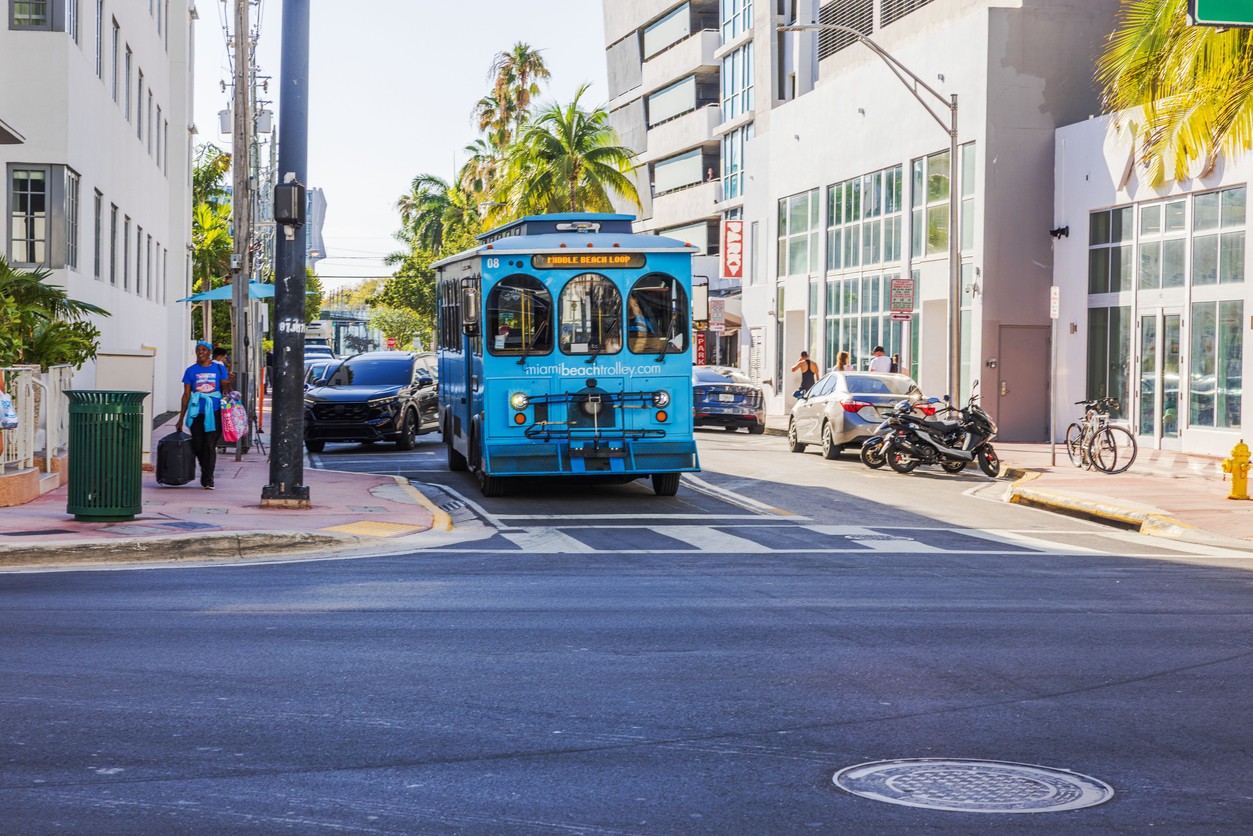
Photo: The free Miami Beach Trolley connects various neighbourhoods in Miami Beach and is ideal for short journeys between the beach, restaurants and tourist attractions.
Miami is a sprawling metropolis where the main attractions are spread across different neighbourhoods. With a bit of planning, however, getting around is straightforward — whether you prefer to be flexible in your travels or would rather explore individual neighbourhoods at a leisurely pace on foot.
Top tips for getting around Miami:
Car hire: For trips to the Everglades, the Florida Keys or more distant parts of the city, a hire car is often the most convenient option.
Uber & Lyft: Ride-hailing services are widely available in Miami and offer a practical alternative to driving your own car, particularly within Miami Beach or the city centre.
Miami Beach Trolley: The free trolley connects various neighbourhoods in Miami Beach and is ideal for short journeys between the beach, restaurants and attractions.
Metromover: The automated elevated train runs free of charge through Downtown Miami and Brickell and is particularly handy for short journeys in the city centre.
Cycling and walking: In neighbourhoods such as South Beach or Wynwood, many places are easy to explore on foot or by bike — particularly along the Miami Beach Boardwalk.
Depending on your plans for the day, it’s worth combining different modes of transport. This allows you to explore the various neighbourhoods and Miami’s attractions at your own pace and with flexibility.
Conclusion: Miami combines iconic sights with peaceful moments in nature and creative neighbourhoods. Between the Atlantic beaches, Art Deco architecture and selected hidden gems, it’s a destination that can be explored mindfully and at a leisurely pace. Those who combine well-known highlights with peaceful breaks will experience Florida’s Atlantic coast at its most stylish and versatile.

© Swiss Bankers 2026


 Compare cards and conditions

