


Important information:
Am 10. April 2024 wurden das Kundenportal sowie der Web-Zugriff auf das Kartenkonto eingestellt. Bitte laden Sie die Swiss Bankers App herunter, um weiterhin uneingeschränkten Zugriff auf alle Dienste zu haben.
Are you a Swiss Bankers sales partner?
Hier geht es zum Partnerportal.
An attractive offer, high-quality product images and a price that tempts you to buy: when shopping online, a bargain is often just a few clicks away. Whether it’s an affordable branded rucksack or a practical no-name model – it’s not just the product that matters, but also the retailer behind it. But how can you tell if an unknown online shop is reputable? We’ll show you the key criteria to check and eight typical shopping situations where it’s worth taking a closer look.
 09.11.2026
 Eliza
Contents:
How to spot reputable online shops: an overview of the key features
Buying branded products more cheaply: When is a bargain worth it?
Discovering unknown brands: When is a new retailer worth trying?
Making the most of discount offers: How can you tell if an offer is fair?
Shopping abroad: What makes a good international shop stand out?
Comparing high-quality products: Which retailer can you trust?
An unknown retailer is not necessarily untrustworthy. The key factor is whether you can ascertain who is behind the shop and under what terms and conditions you are making your purchase. These features will help you make an initial assessment:
Retailer: Check that the legal notice includes the company name, business address and contact details. You can also look up Swiss companies in the Zefix commercial register.
Web address: Check that the web address is spelled correctly. An encrypted HTTPS connection protects data transmission, but does not guarantee that the retailer is reputable.
Customer reviews: Search for reviews of the retailer on independent platforms such as Trustpilot or Google. Be sure to read critical reviews as well.
Product information: Ensure that descriptions are comprehensive, prices are transparent and there is clear information on any potential additional costs.
Payment methods: Check whether the shop offers transparent payment terms and, where possible, secure payment options.
Delivery and returns: Find out about delivery charges, delivery times, returns policy and any return costs.
Customer service: Are the telephone number or email address easy to find? If you’re unsure, a quick enquiry can help you check whether they’re easy to contact.
None of these features on its own guarantees a secure shopping experience. Together, however, they give a good first impression. The following eight shopping scenarios show how you can apply these criteria in practice.
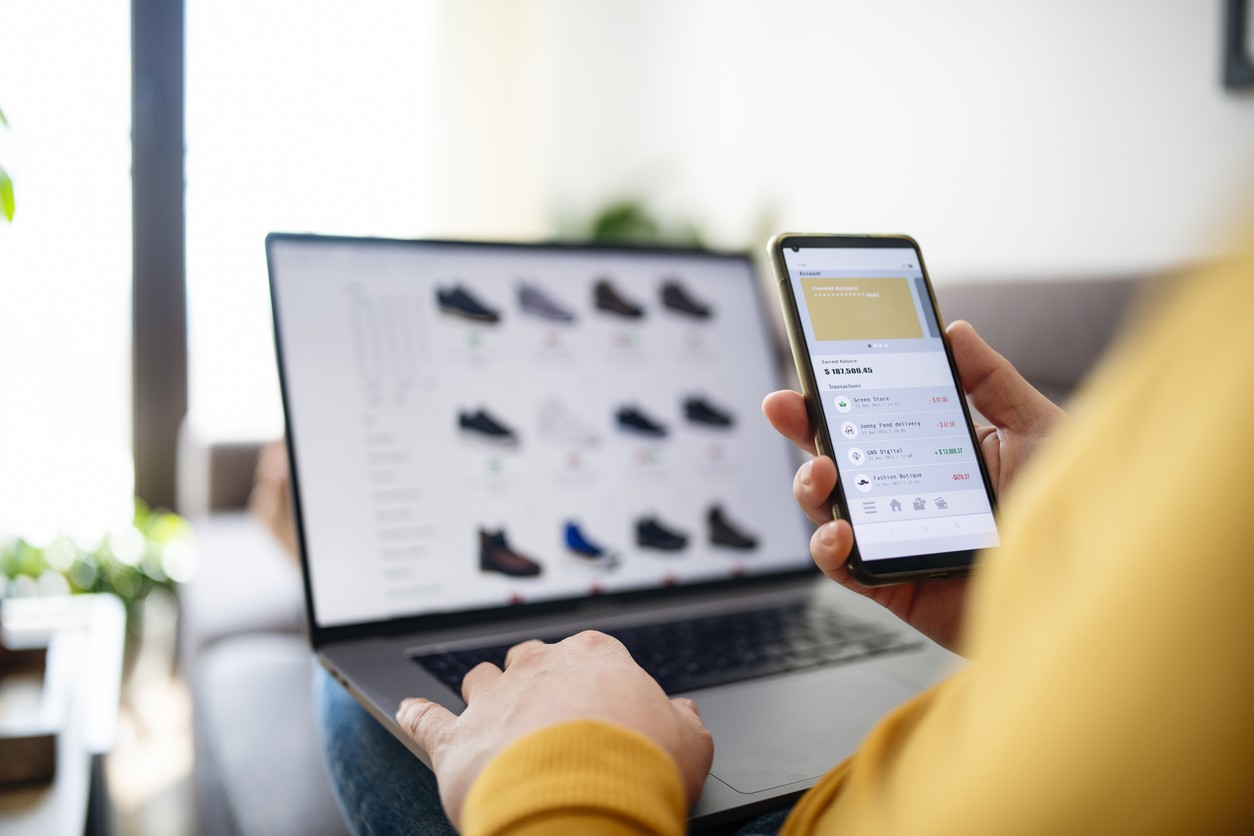
You’ve had your eye on a handy carry-on rucksack from a well-known brand for a while now. On the manufacturer’s website, it costs CHF 180, but suddenly you spot the exact same model at another online shop for just CHF 99. It’s a tempting offer – but you’ve never heard of this retailer before.
Such price differences can certainly be legitimate. Reputable retailers also offer attractive discounts, particularly on discontinued models, seasonal promotions or clearance sales. First, compare the exact model name, features and delivery terms. This will ensure that it really is the same product.
Tip: Many brands publish a list of authorised retailers on their official website. Check whether the unknown shop is listed there. Alternatively, you can ask the manufacturer directly whether the retailer is one of their distribution partners. However, the fact that a shop isn’t listed doesn’t automatically mean that the offer is untrustworthy.
Whilst scrolling through Instagram, you spot a stylish travel rucksack with plenty of handy compartments. The product video shows just how much luggage it can hold, and you like the design too. You’re not familiar with the brand, but the price is attractive.
Social media is a great way to discover exciting products from smaller or newer brands. After all, an unknown brand is no reason to put off a purchase. What matters much more is whether the product information is convincing. Look out for specific details on materials, dimensions, weight and workmanship, as well as credible customer reviews. After all, you don’t just want to order from a reliable retailer; you also want to receive a product that meets your expectations.
Tip: Use Google Lens’s reverse image search. To do this, select a product image or take a screenshot. This may help you find identical rucksacks at other retailers. It helps you compare prices and product descriptions and find out whether the supposedly exclusive model is actually available elsewhere.

Whether it’s Black Friday, the summer sales or a last-minute weekend promotion: many online shops regularly offer attractive discounts. But how can you tell if an offer is genuinely good value?
Reputable retailers communicate their promotions transparently. This includes clear terms and conditions for discounts, a clearly defined promotion period and transparent pricing information. Particularly when making larger purchases, it’s worth comparing the current price with other offers. After all, a crossed-out original price doesn’t automatically mean you’re saving money compared to the usual market price.
Tip: Use Swiss price comparison websites such as Toppreise.ch or Comparis.ch to compare offers from different retailers. For some products, you can also track price trends over the past few weeks or months. This helps you better judge whether a discount is actually a good deal.
Limited-time offers can also be worthwhile. It’s important that you take your time to assess the price properly before placing your order.
You come across a small online shop selling handmade accessories, sustainable clothing or unique travel essentials. You like the products, but the retailer has only a few reviews and is barely represented on well-known comparison sites.
Start-ups and independent sellers in particular often don’t yet have many customer reviews. Rather than focusing solely on star ratings, it’s therefore worth taking a closer look at the business. Are the company name, business address and contact details clearly stated? Do the details match publicly available company information?
Tip: Search on Trustpilot or Google for reviews of the shop. Don’t just read the star rating, but also specific comments on delivery, product quality and customer service. Check whether the reviews are spread over a longer period and how the retailer responds to criticism. Reviews can also be manipulated on independent platforms.
If the seller claims to be a Swiss company, you can also check the official commercial register, Zefix. Bear in mind that not every small business is required to be registered. A quick enquiry to customer service can also help you assess the retailer more accurately.
You can find further advice on checking unknown sellers in our article ‘Fake shops: How to protect yourself when shopping online’.
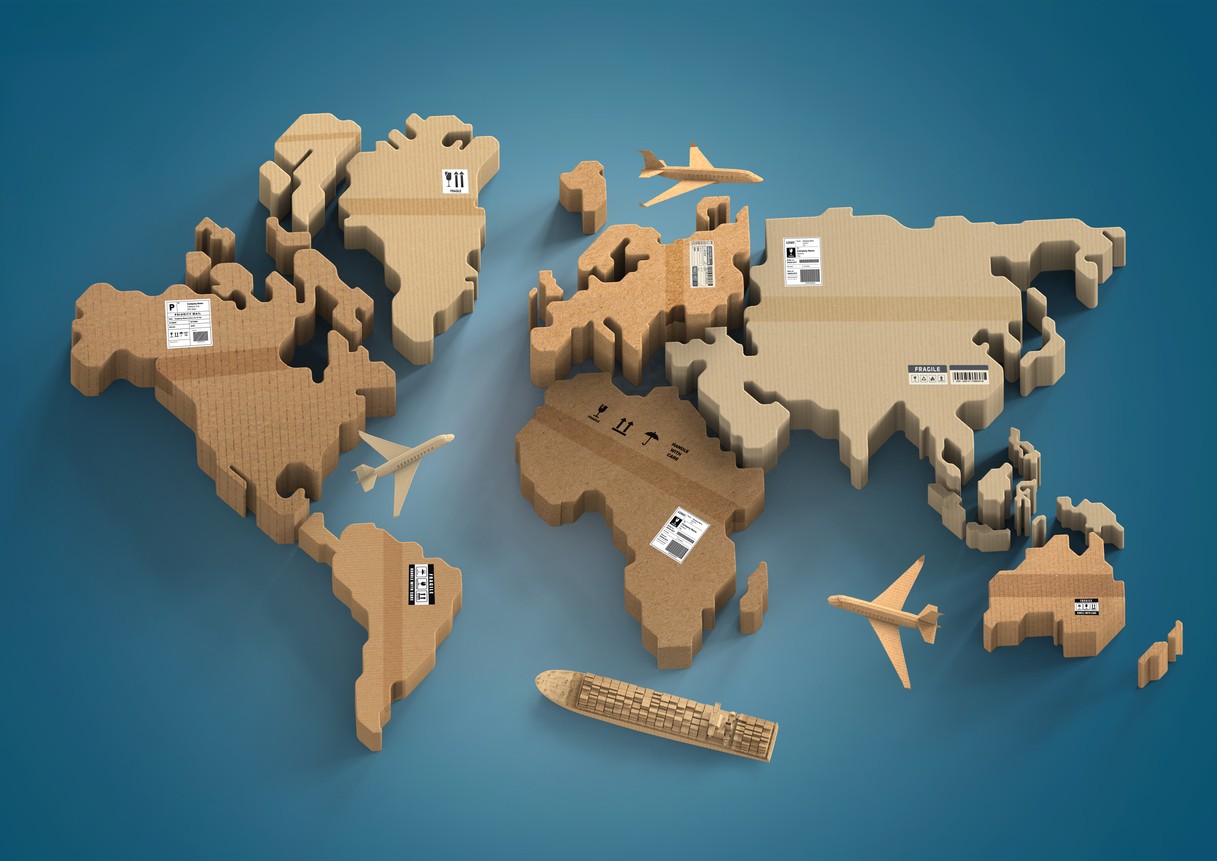
You’ve spotted an item on a foreign online shop that you haven’t been able to find in Switzerland so far. The retailer also delivers to Swiss addresses and the price is attractive. But what about delivery, customs and any potential returns?
A customer-friendly international shop provides information as early as possible about the terms and conditions for deliveries to Switzerland. This includes realistic delivery times, delivery charges and details of any import duties. It is particularly important to check whether taxes and customs clearance are already included in the total price or whether additional costs may apply.
Tip: Look out for terms such as ‘DDP’ (Delivered Duty Paid). Under this delivery term, the seller takes care of the agreed import clearance, including the relevant duties. Under ‘DAP’ (Delivered at Place), however, import duties and the associated clearance fees are generally borne by the buyer. You should therefore always check the final total price and the specific delivery terms.
Incidentally, a Swiss web address ending in ‘.ch’ does not automatically mean that the company is based in Switzerland.
You’re looking to buy a high-quality camera for your next trip and are comparing several online shops. The prices differ only slightly, but there are significant differences in the services on offer.
Particularly when making more expensive purchases, it’s worth not focusing solely on the cheapest price. A good retailer provides comprehensive technical information, clear warranty terms and accessible customer service.
Other buyers’ experiences can also be insightful. Reviews that contain specific details about delivery, product quality and the complaints process are particularly helpful.
Tip: As well as the purchase price, compare the warranty and after-sales services. Is it a manufacturer’s warranty or an additional retailer’s warranty? Where can you have the product repaired if it breaks? And who will cover the postage costs, if applicable? Also check whether the item is brand new, a display model or a refurbished product.
A slightly higher price can certainly be worth it if the advice, service and terms of purchase are convincing.

The item you want is in your basket and you’re ready to complete your order. Now the question is: which payment method should you choose?
A trustworthy online shop provides clear information about the available payment methods and any fees that may apply. Depending on the retailer, you may be able to choose from options such as payment on account, card payment or established payment services.
Particularly when dealing with unfamiliar retailers, it is advisable to choose a payment method that offers suitable redress options. With card payments, a chargeback may be possible under certain conditions. A direct bank transfer, on the other hand, generally offers fewer options for recovering a payment that has already been made.
Tip: Before authorising payment, check the retailer’s name and the final amount. You should also enable push notifications on your Swiss Bankers app to keep track of card transactions in real time.
You can find further advice in our article ‘Safe online shopping: How to protect your money and your data’.
If you discover a suspicious card transaction after making a purchase, our guide “Reporting unknown charges: How to proceed correctly” explains how to get in touch with Swiss Bankers.
You’d like to order some new walking boots for your next trip, but you’re not quite sure about the size. That’s why it’s important to you that you can return the boots easily if necessary.
A customer-friendly online shop makes its returns policy easily accessible before you place your order. This includes information on return deadlines, the condition of the goods, any return costs and the refund of the purchase price.
Please note that in Switzerland, there is generally no statutory right of withdrawal for standard online purchases. Whether and under what conditions you can return an item therefore often depends on the retailer’s own policies.
Tip: Read the returns policy before making a purchase and look specifically for the returns address. Returning goods abroad can be expensive, particularly with international retailers. Also check whether the shop offers a free returns label or whether you have to cover the postage costs yourself.
Clear returns policies help you to assess the actual cost of a potential return before you place your order.
Conclusion: An unfamiliar shop isn’t necessarily untrustworthy, and a low price isn’t automatically suspicious. What matters is whether the retailer provides transparent information, offers clear terms and conditions, and is available to answer any questions. By comparing offers, researching independent reviews and checking the key details before placing an order, you can discover new brands and take advantage of attractive bargains with confidence.

© Swiss Bankers 2026


 Compare cards and conditions

