


Important information:
Am 10. April 2024 wurden das Kundenportal sowie der Web-Zugriff auf das Kartenkonto eingestellt. Bitte laden Sie die Swiss Bankers App herunter, um weiterhin uneingeschränkten Zugriff auf alle Dienste zu haben.
Are you a Swiss Bankers sales partner?
Hier geht es zum Partnerportal.
A coffee on the seafront promenade, a taxi ride to the hotel, some cash for the market: when travelling, payments are often made on the spur of the moment. It is precisely at such times that unfavourable exchange rates, additional charges or incorrect amounts can easily go unnoticed. If you’re aware of typical tourist traps when paying, you can avoid unnecessary costs. These eight situations show what you should look out for – and how to react at the right moment.
 29.10.2026
 Eliza
Contents:
After dinner, the card terminal displays two options: euros or Swiss francs. The amount in francs seems straightforward, as you can immediately see how much the meal costs in your home currency. However, this convenience may come at an extra cost.
This is down to dynamic currency conversion, also known as DCC. In this process, the merchant or their payment service provider handles the conversion. The exchange rate offered may be less favourable than the conversion carried out by your card provider and may include additional surcharges.
You should therefore choose the local currency: euros in Italy, baht in Thailand or rand in South Africa. This also applies at cash machines. If the machine offers you an instant conversion into Swiss francs, decline it. Depending on the machine, the relevant option may be labelled, for example, ‘no conversion’ or ‘Decline conversion’. By selecting this, you opt out of the instant conversion offered and can then withdraw cash as usual.
Our tip: To find out how dynamic currency conversion works and what you should bear in mind when selecting a currency, read the article ‘Understanding DCC: How to avoid unnecessary costs abroad’.
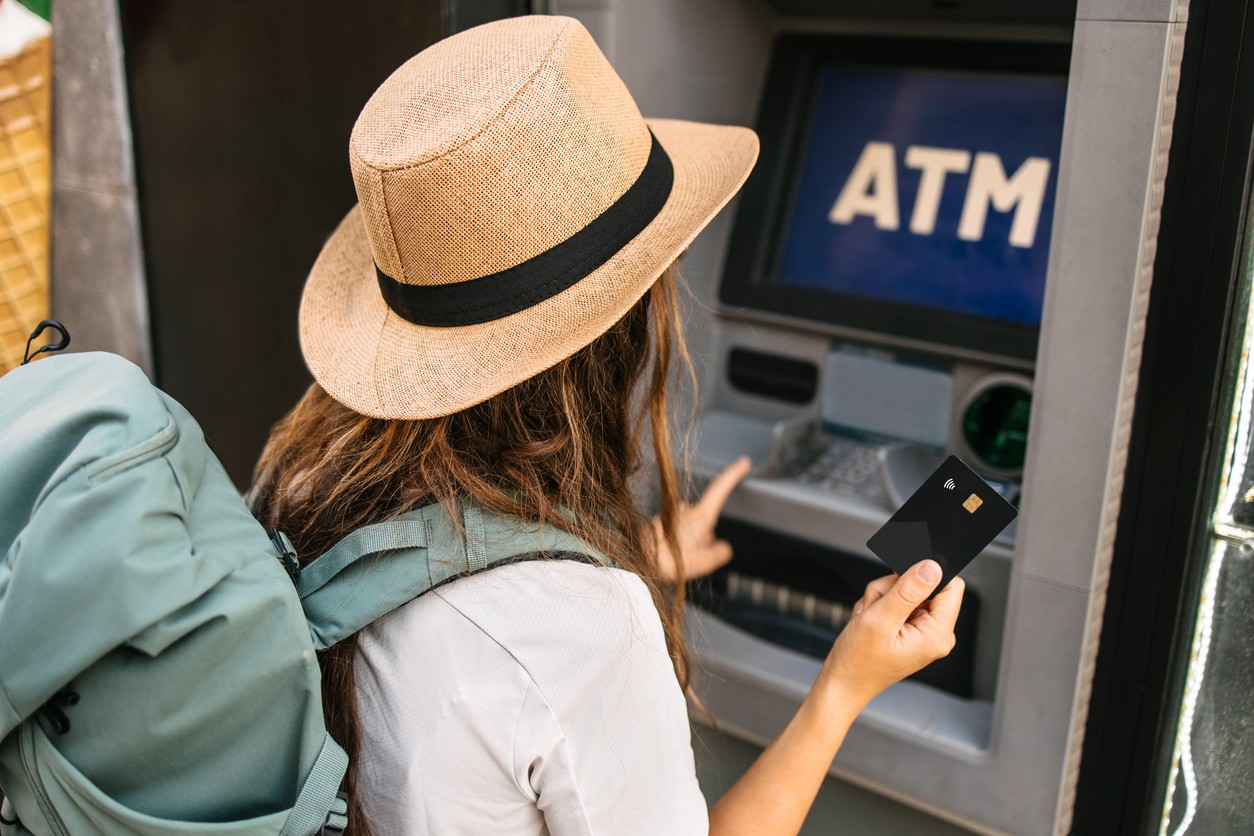
The cash machine is right next to the hotel, and you’ve entered the amount you want. It’s only just before the cash is dispensed that an additional fee appears. If you confirm the transaction quickly at this point, you might hardly notice this surcharge.
With the Swiss Bankers Travel Card, a cash withdrawal abroad currently costs 2 per cent of the amount, but at least CHF/EUR/USD 7.50 per withdrawal, depending on the card’s currency. You can find the latest details in the terms and conditions for cash withdrawals.
Fees charged by the ATM operator and currency conversion costs may also apply. Therefore, opting out of the instant conversion offered does not automatically eliminate all costs. Check the surcharges displayed before confirming and, if necessary, cancel the withdrawal if the fees seem too high.
Our tip: Rather than making frequent small withdrawals, it’s better to withdraw a reasonable amount less often, even if this means paying a minimum fee. Base your withdrawal on your needs for the next few days, without carrying around more cash than necessary. You can find further advice in the article ‘Cash withdrawals: 5 tips to avoid unnecessary fees’.

The sign at the currency exchange office promises commission-free currency exchange. Is this a good deal? Not necessarily. Even without a separately stated commission, the exchange can be expensive if the exchange rate is unfavourable.
The key factor is how much local currency you actually receive for your Swiss francs. You should therefore ask for the exact amount you will receive, including any additional costs, before handing over your money. Compare offers based on the same starting amount and count the banknotes you are given straight at the counter. Use reputable bureaux de change or banks and avoid currency exchange offers from strangers.
If you wish to avoid exchanging money whilst abroad, you can organise part of the local currency you need before you leave, for example by ordering cash from Swiss Bankers. Another option is to withdraw cash from a suitable ATM at your destination.
Our tip: With the Swiss Bankers cash order service, you can order banknotes via the Swiss Bankers app and have them delivered to your home address in Switzerland. This requires an active Swiss Bankers card issued in Switzerland. Orders are possible for amounts equivalent to CHF 200 or more, plus fees. You’ll see the exchange rate and costs before completing your order – so you can make your decision at your leisure whilst still at home.
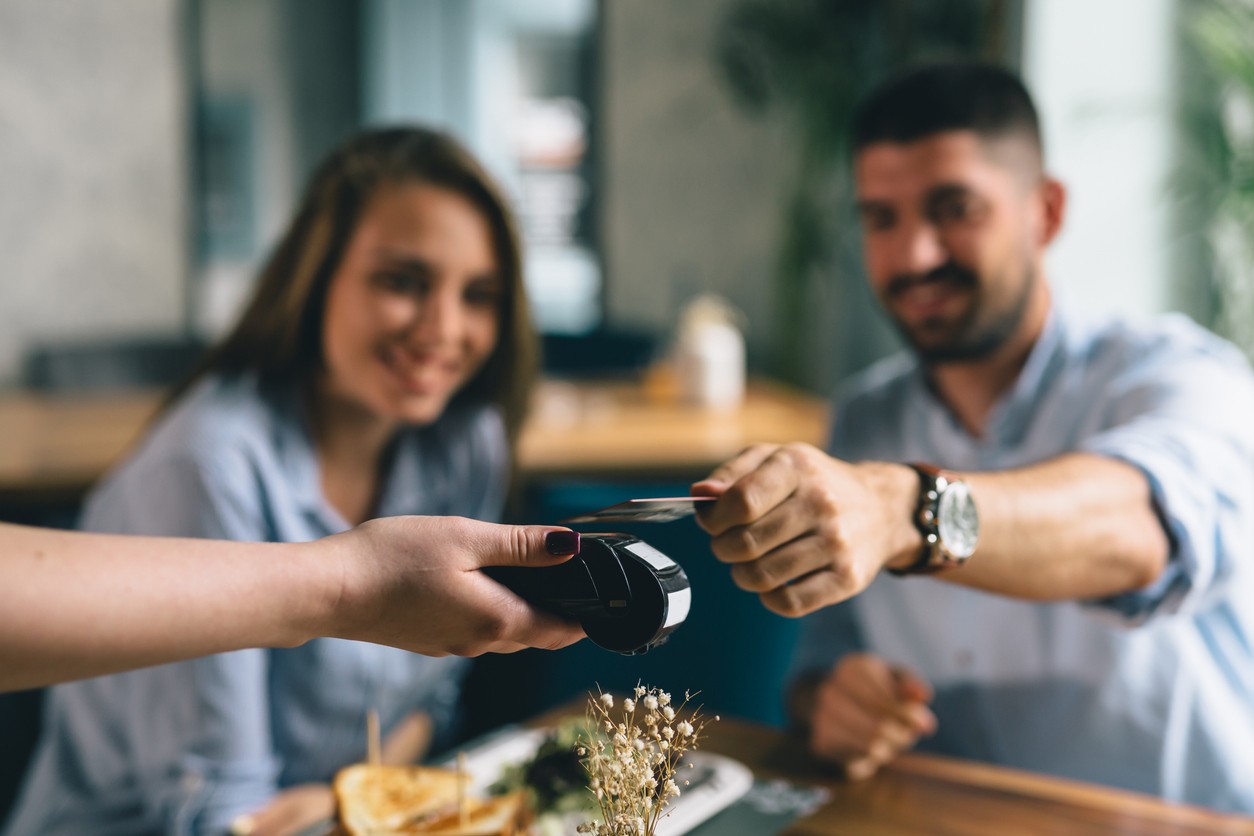
After a delicious dinner at a restaurant, you ask for the bill. Often, you only glance briefly at the total amount before paying. However, it’s worth checking the individual items too: do the number of drinks, the dishes ordered and the prices all add up?
However, additional items aren’t automatically a trap. Depending on your destination and the restaurant, you may be charged for things like a cover charge or a service charge. In Italy, ‘coperto’ refers to a cover charge; this is not the same as a tip. In London, on the other hand, restaurant bills often already include a ‘service charge’. If you then select an additional tip at the payment terminal, you may end up paying more than you intended.
If you come across unfamiliar terms, ask for clarification before paying. For daily specials or offers without a clearly stated price, it’s worth asking this question before you order. This is particularly important if dishes are charged by weight.
Our tip: Check the bill first and then decide whether to leave an additional tip. A suggested amount on the display does not replace this decision.
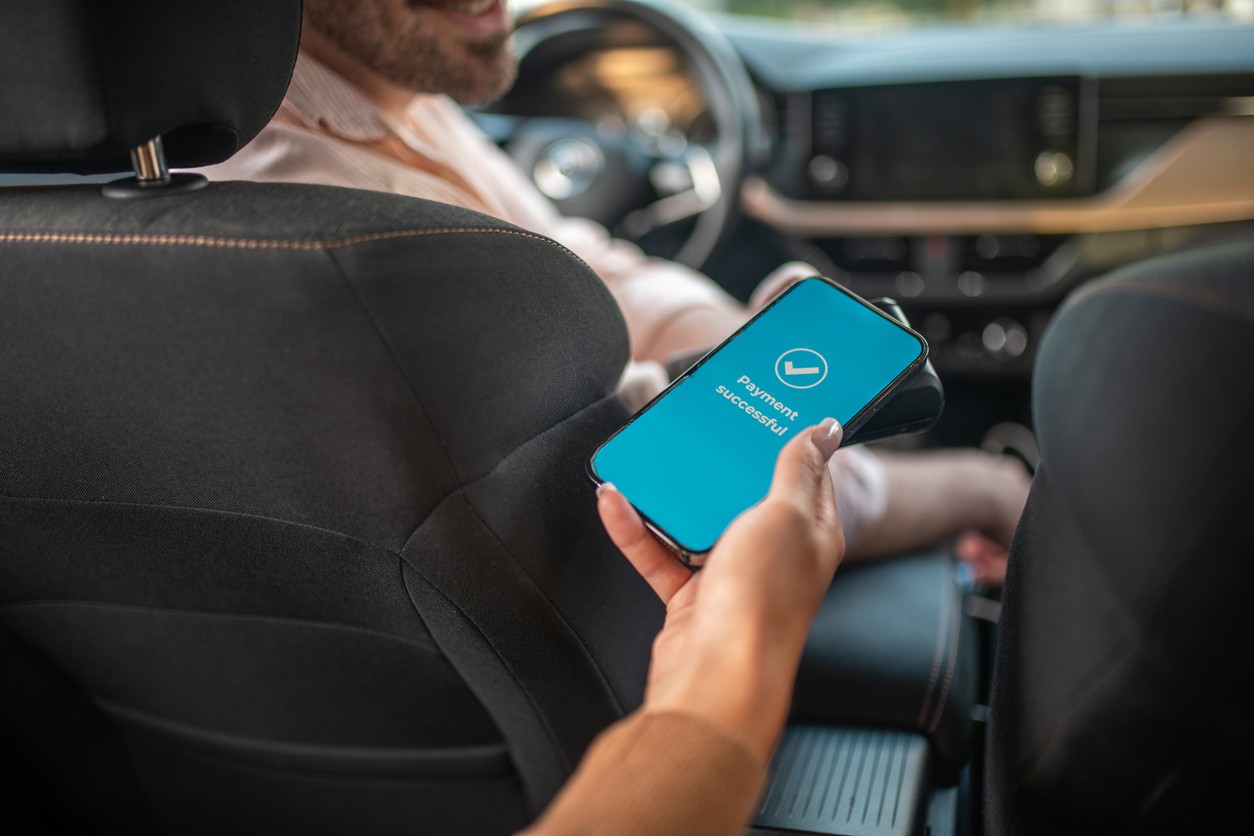
After landing, you’ll want to get to your hotel as quickly as possible. A driver may offer you a lift right at the exit, but the fare remains vague. Once you reach your destination, you may suddenly be asked to pay surcharges that nobody was expecting.
Use official taxi ranks or book through an established provider. Before setting off, clarify whether the fare will be charged by the meter, at an official flat rate or at an agreed fixed price. Also ask about any potential charges for luggage, airport access or night-time journeys, and about the accepted payment methods.
Depending on availability, a ride-hailing service such as Uber may also be an option. Where a fare is displayed in advance, you can check this before booking. Check whether the price shown is a fixed price or an estimate. The final amount may change due to additional stops, a change of destination or waiting times, for example.
Our tip: If you’re paying a fixed price, ask for confirmation of the total amount for all passengers, including luggage. When booking via an app, check the price details before confirming your booking and keep the digital receipt.
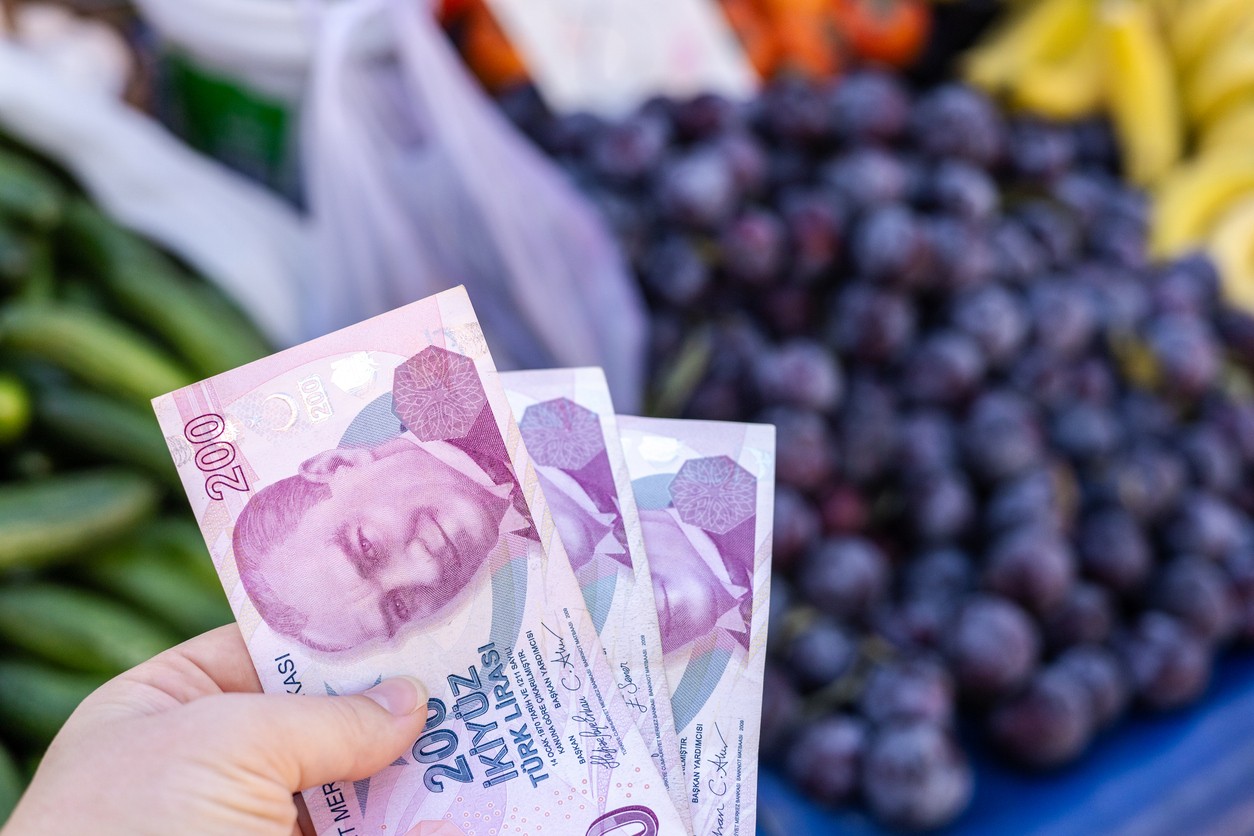
The next customers are already waiting at the market stall. They pay with a large note, take some notes and coins in return, and move on. It is only later that you realise the change is incorrect.
Unfamiliar banknotes and similar-looking coins make it easier to make mistakes. You should therefore familiarise yourself with the main denominations at the start of your trip. Particularly in the first few days, it helps to sort notes by their value rather than just looking at their colour or size.
When handing over a large note, state the amount clearly and count the change whilst you’re still at the stall. Any discrepancy is usually easier to sort out there than later on. Stay calm: it could simply be a simple calculation error.
Our tip: Have the right notes and coins ready for small purchases. This makes the payment process easier and ensures your change is clearer.
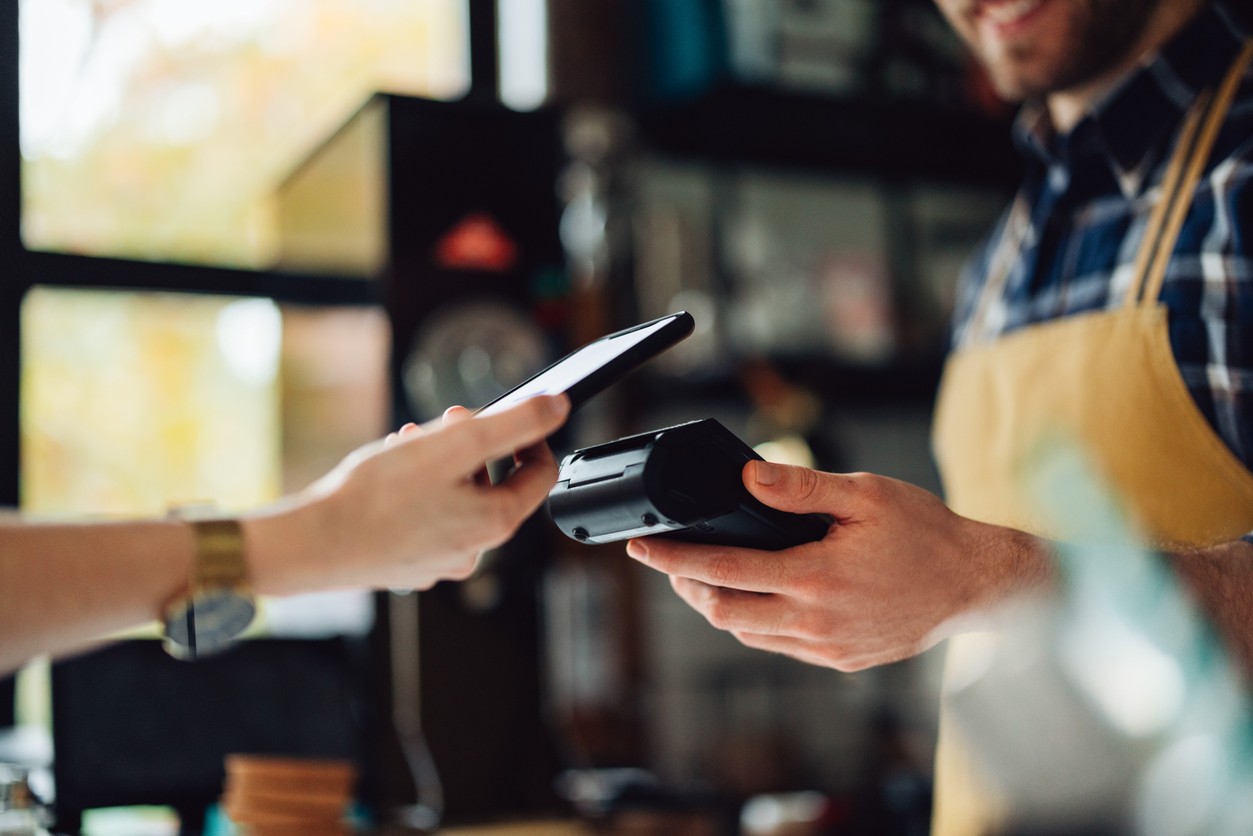
Your card is already on the reader whilst you’re still talking to the shop assistant. It’s only when you look at the receipt that you realise the amount entered doesn’t match the bill. That’s why it’s worth taking a quick look at the display before paying, even for small purchases.
Check the amount and currency before holding your card or smartphone up to the terminal or authorising a payment. If the device is held in such a way that the display is illegible, ask to see the details.
If a payment appears to have failed, you should check the status with the retailer before attempting it again. Keep any receipts you are given and check the transactions afterwards. A pending transaction is not yet a final charge and does not in itself prove that a double payment has been made.
Our tip: Have any unclear or actually double-charged amounts checked by your card provider as soon as possible. Make a note of the shop, the time and the amount.
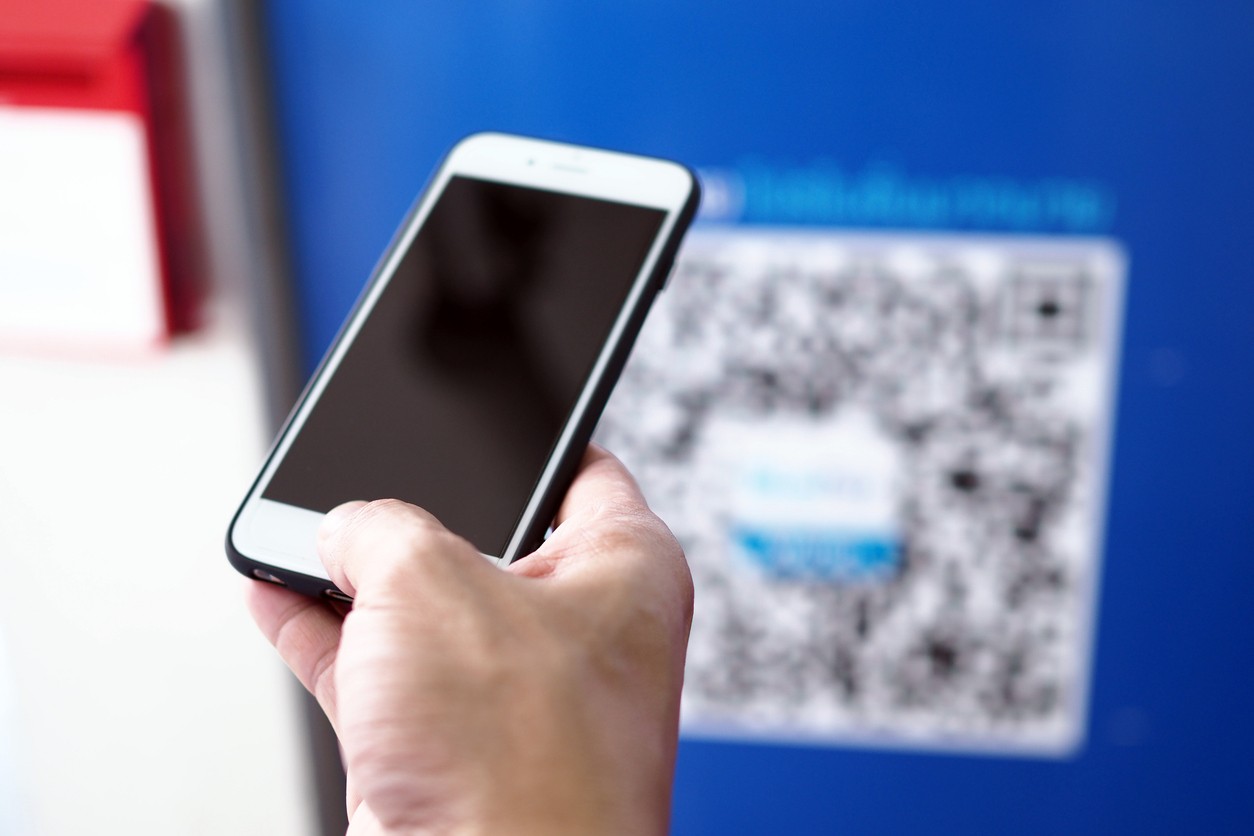
At a parking meter, a QR code takes you straight to the payment page. The page that opens looks familiar and asks for your number plate and card details. However, what appears to be a convenient feature could in fact be a fake payment page.
In a scam known as ‘quishing’, manipulated QR codes lead to fraudulent websites. A common trick involves stickers covering the original code on the parking meter. Anyone who enters their card details there may be sending them to criminals. The actual parking fee may, in some cases, remain unpaid.
Watch out for covered-up codes and check the web address displayed before entering any details. Does it really match the official provider’s? If in doubt, open their recognised app or visit the official website yourself.
Our tip: You can find further warning signs and specific protective measures in the article ‘Quishing: When QR codes become a trap’. If you have entered card details on a suspicious site, block the affected card immediately and contact your card provider.

An incorrect amount on the bill, an overlooked charge or a duplicate debit: some discrepancies only come to light after you’ve paid. Follow these steps to check the costs and clarify any potential errors:
Compare the bill with the debit: Check what amount has been charged and what caused the discrepancy. In the Swiss Bankers app, you can view your transactions and compare them with your receipts. For payments in foreign currencies, also take into account currency conversion and any fees.
Contact the provider directly: If a dish has been charged twice or an amount higher than agreed has been entered, contact the restaurant, shop or taxi company as soon as possible. Ask them to check the details and, if necessary, make a correction. Ask for written confirmation of any promised refund.
Check the transaction status: A pending payment is not yet a final debit. If an amount appears twice, you should therefore first check whether both payments have actually been definitively processed.
Seek help with unexplained charges: If you cannot resolve the discrepancy with the provider, contact your card issuer and have your receipts and payment details to hand. If you have a Swiss Bankers card, customer services will be able to help you. If you are unable to use the app, you can also contact them by telephone on +41 31 710 12 15.
Keep your documents until the matter has been resolved. Whether a correction or refund is possible depends on the specific case.
Conclusion: When travelling, there’s no need to scrutinise every payment transaction with suspicion. Often, a brief moment’s attention is enough: check the price in advance, read the details on the terminal and check the bill. If you get into the habit of following these simple routines, you’ll spot discrepancies sooner and can ask for clarification in good time. This leaves more time for the things that make travelling a pleasure – from a visit to the market to dinner by the sea.

© Swiss Bankers 2026


 Compare cards and conditions

