


Important information:
Am 10. April 2024 wurden das Kundenportal sowie der Web-Zugriff auf das Kartenkonto eingestellt. Bitte laden Sie die Swiss Bankers App herunter, um weiterhin uneingeschränkten Zugriff auf alle Dienste zu haben.
Are you a Swiss Bankers sales partner?
Hier geht es zum Partnerportal.
The Jungfrau Region is one of Switzerland’s most impressive landscapes. Nestled amongst towering four-thousand-metre peaks, green alpine meadows and traditional mountain villages, an alpine world unfolds where experiences of nature and living mountain culture are closely intertwined. Whether it’s hiking with panoramic views, trips to world-famous vantage points or peaceful days in charming villages – the Jungfrau Region has something to suit every taste.
 18.01.2026
 Eliza
Contents:
The Jungfrau Region: amongst peaks, valleys and mountain villages
Panoramic Views & Alpine Experiences: Hiking in the Jungfrau Region
Places to visit: The most beautiful spots in the Jungfrau Region
Alpine tradition & indulgence: cuisine in the Jungfrau Region
Hotel recommendations: Unique accommodation in the Jungfrau Region
Getting There & Getting Around: Travelling stress-free in the Jungfrau Region
The best time to visit: Unforgettable holidays in the Jungfrau Region
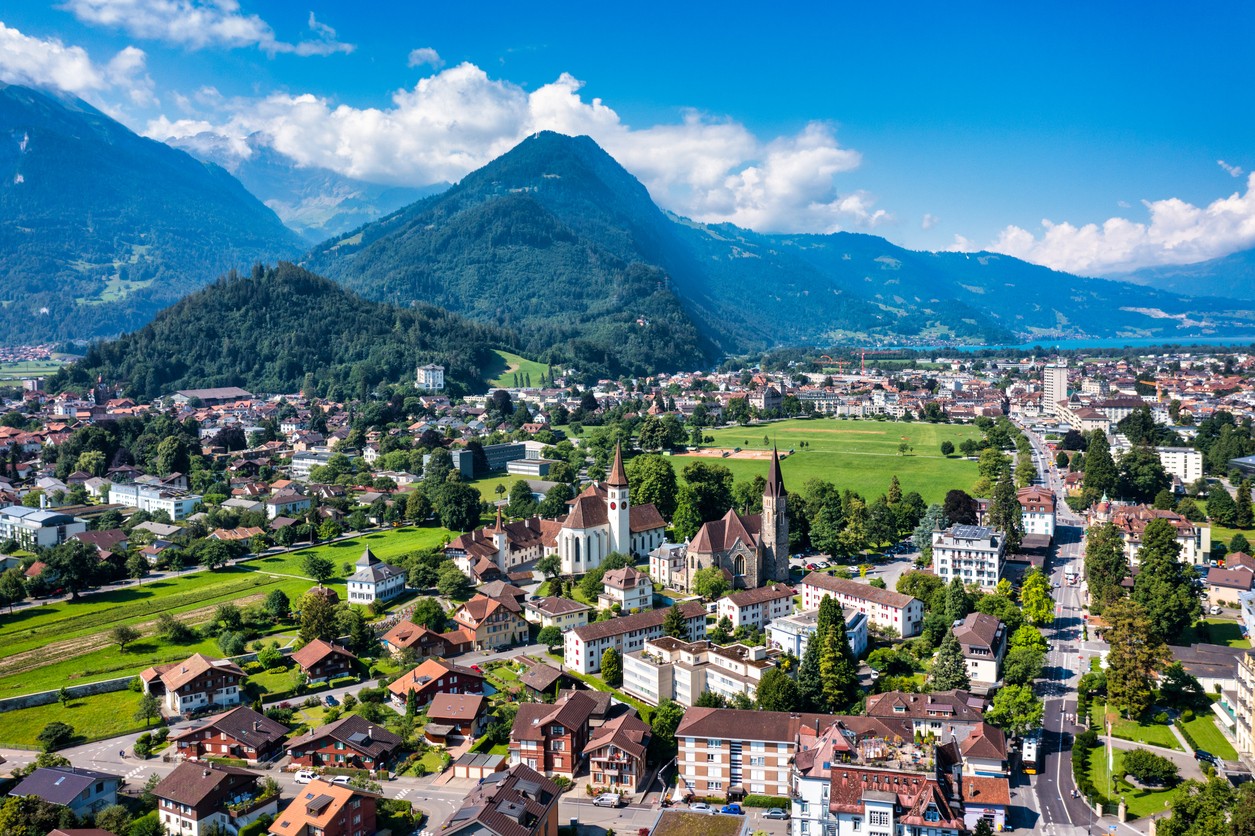
Photo: Interlaken is the bustling heart of the Jungfrau Region and is spectacularly situated between Lake Thun and Lake Brienz.
Interlaken forms the vibrant heart of the Jungfrau Region and is spectacularly situated between Lake Thun and Lake Brienz. Interlaken is less of a traditional mountain village and more of a meeting place for travellers from all over the world who set out from here to explore the surrounding mountains. Thanks to its central location, trains and mountain railways depart from here for Grindelwald, Lauterbrunnen or the Jungfraujoch. At the same time, the expansive Höhematte – the large central meadow in the heart of Interlaken – with unobstructed views of the Eiger, Mönch and Jungfrau, shapes the town’s character and creates an open, almost park-like atmosphere. Also well worth a visit are the banks of the River Aare, which are ideal for walks, as well as the Harder Kulm, Interlaken’s local mountain. From the viewing platform, a sweeping view opens up across the two lakes and far into the Bernese Oberland. Those who prefer a quieter, more unspoilt atmosphere will find peaceful corners away from the livelier centre, such as in the Unterseen district with its historic houses and small cafés – an often-overlooked but particularly charming part of Interlaken. Overall, Interlaken combines urban amenities with direct access to nature and is an excellent base for exploring the many attractions of the Jungfrau Region.
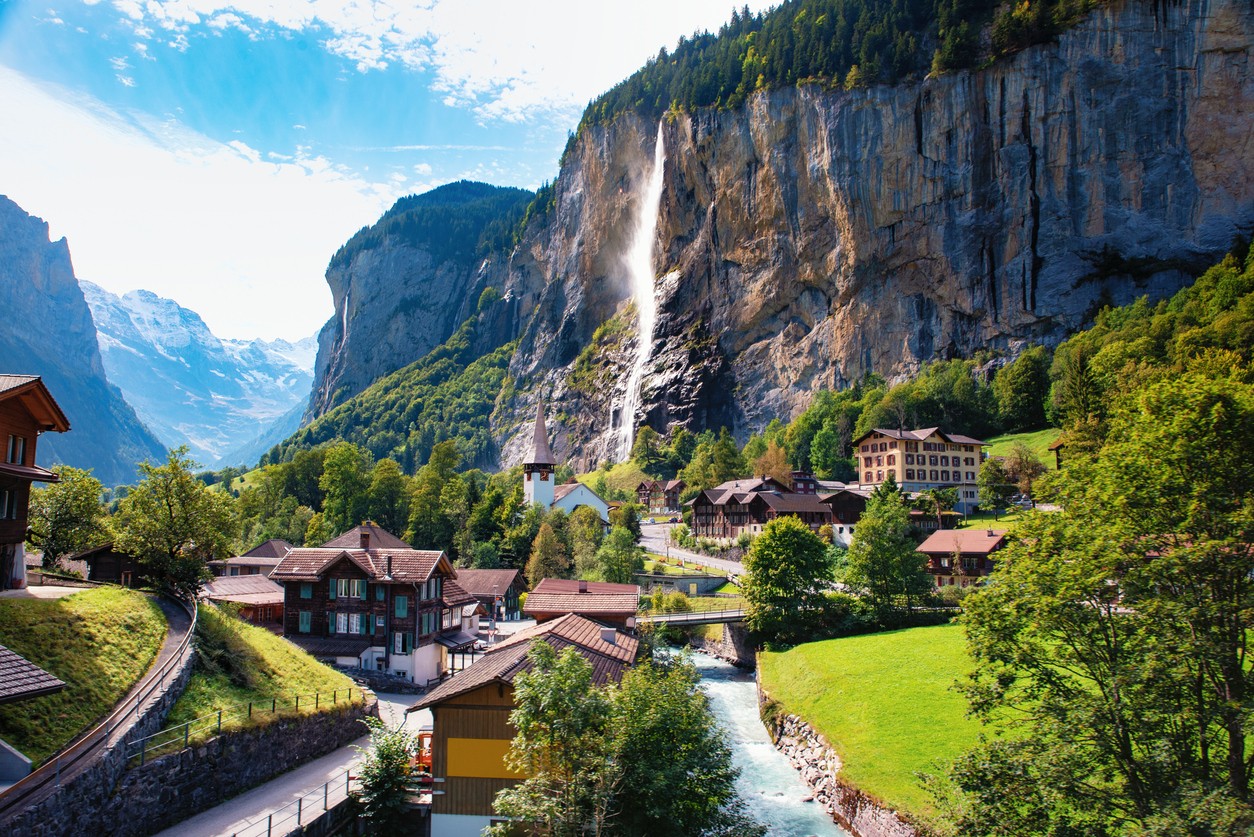
Photo: The Jungfrau Region also includes well-known places such as Lauterbrunnen.
As well as Interlaken, the Jungfrau Region includes other well-known towns such as Grindelwald, Wengen, Mürren and Lauterbrunnen, each of which has retained its own unique character. What they all have in common is their immediate proximity to a spectacular Alpine landscape, where steep rock faces, glaciers and vast Alpine meadows come together. Deep valleys with impressive waterfalls alternate with high-alpine regions above the tree line, creating an extraordinary variety of landscapes. Particularly distinctive are the traditional mountain villages, some of which – such as Wengen and Mürren – are car-free and have retained a slower pace of life to this day. Timber-framed houses, small village squares and sweeping views of the surrounding peaks lend these places a special atmosphere. It is precisely this interplay of majestic nature, vibrant mountain culture and easily accessible valleys that makes the Jungfrau Region so varied and allows visitors to discover ever-new facets of the Alps within short distances.
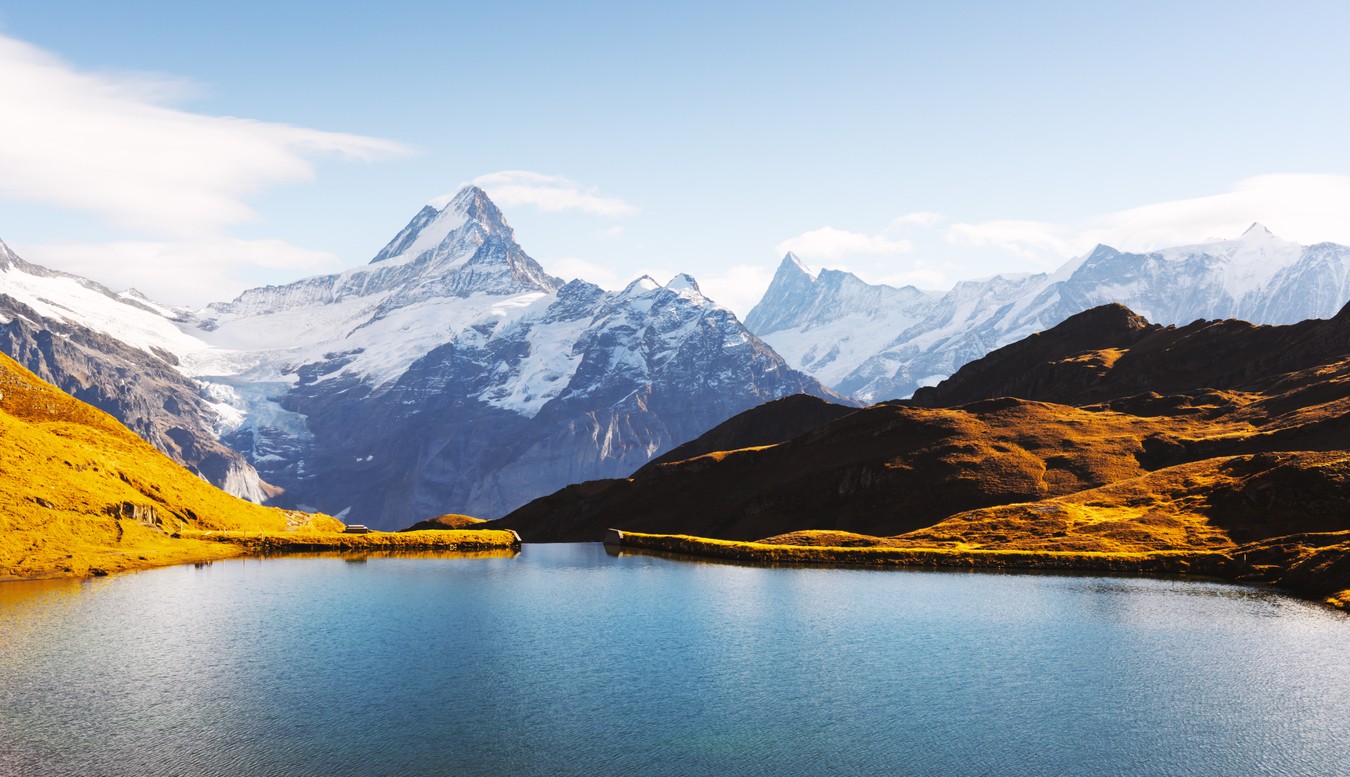
Photo: Panoramic trails around Grindelwald, such as the one at Bachalpsee, are particularly popular with walkers.
Hardly any other activity brings the diversity of the Jungfrau Region to life quite as directly as hiking. A dense network of well-marked trails leads through blossoming alpine meadows, along steep mountain slopes and over high-altitude trails offering spectacular views of the Eiger, Mönch and Jungfrau. Thanks to the mountain railways, many routes can be flexibly combined, making it possible to enjoy both leisurely strolls and longer day hikes. Particularly popular are the panoramic trails around Grindelwald and the high-altitude trails near Wengen and Mürren, which offer spectacular views without being technically challenging. A classic hiking destination is the Bachalpsee above Grindelwald, which, with its mirror-like reflection of the mountain panorama, is one of the most photographed spots in the region. The easy circular walk is ideal for a relaxed half-day excursion and is also well suited to less experienced walkers. More challenging, but offering particularly stunning views, is the panoramic trail from Männlichen to Kleine Scheidegg, which opens up sweeping views of the Eiger, Mönch and Jungfrau. Equally charming are walks through the Lauterbrunnen Valley, where waterfalls, shaded paths and wide valley floors ensure a varied hiking experience.
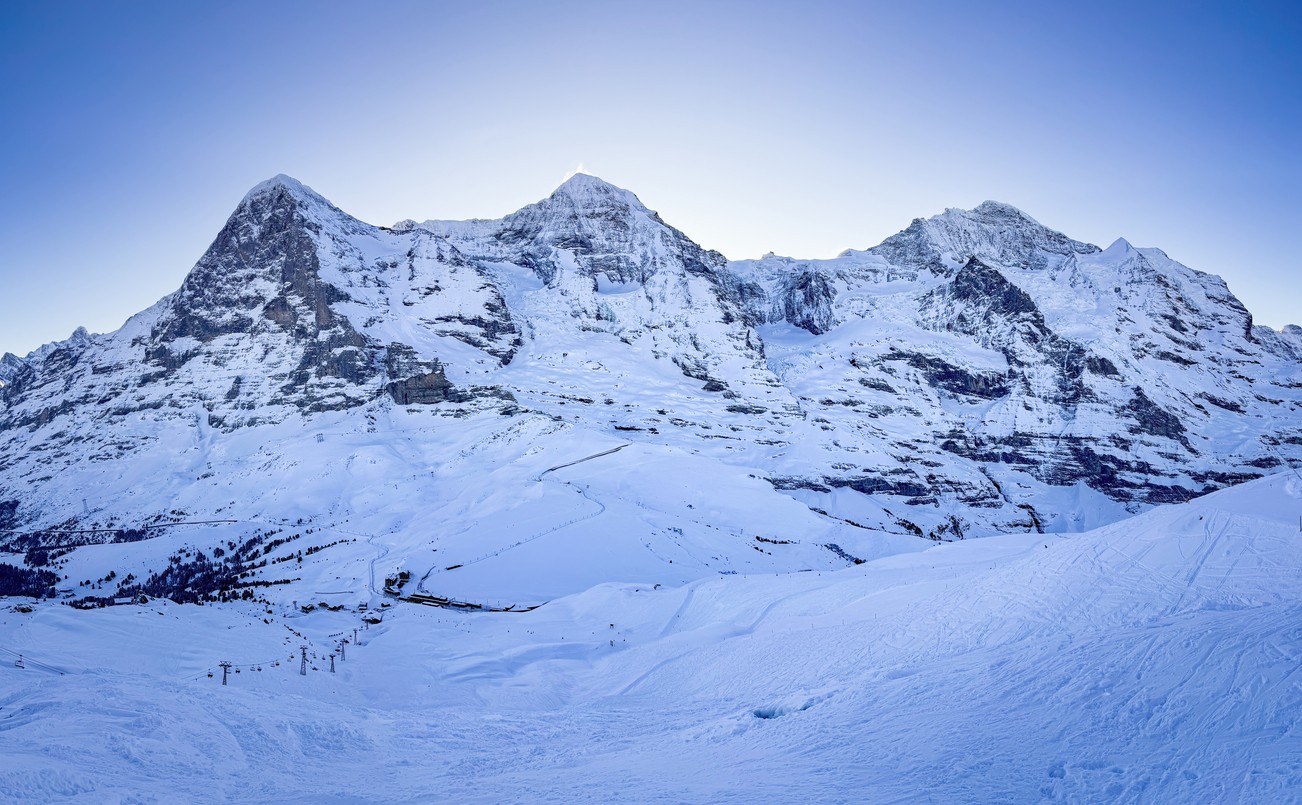
Photo: In winter, the Jungfrau Region is transformed into one of Switzerland’s best-known winter sports destinations.
In winter, the Jungfrau Region reveals its most impressive side. Snow-capped peaks, deep valleys and car-free mountain villages create an alpine backdrop that makes winter sports here a true experience of nature. Skiing and snowboarding take centre stage, complemented by winter walking, tobogganing and snowshoeing.
The ski resorts in the Jungfrau Region are superbly connected and offer a varied range of slopes at different altitudes – from wide, leisurely runs to more challenging routes with views of the Eiger, Mönch and Jungfrau. The Kleine Scheidegg–Männlichen ski area is particularly popular, being suitable for both ambitious skiers and those looking for a leisurely day in the snow.
Those who prefer a more leisurely pace will find numerous groomed winter walking trails, for example on the sunny terraces of Mürren or around Wengen. Sledging runs, such as the route from Bussalp down to Grindelwald, also ensure varied winter days away from the ski slopes. In winter, the Jungfrau Region thus offers a wide range of opportunities to experience the Alpine landscape, whether actively or in a completely relaxed manner.
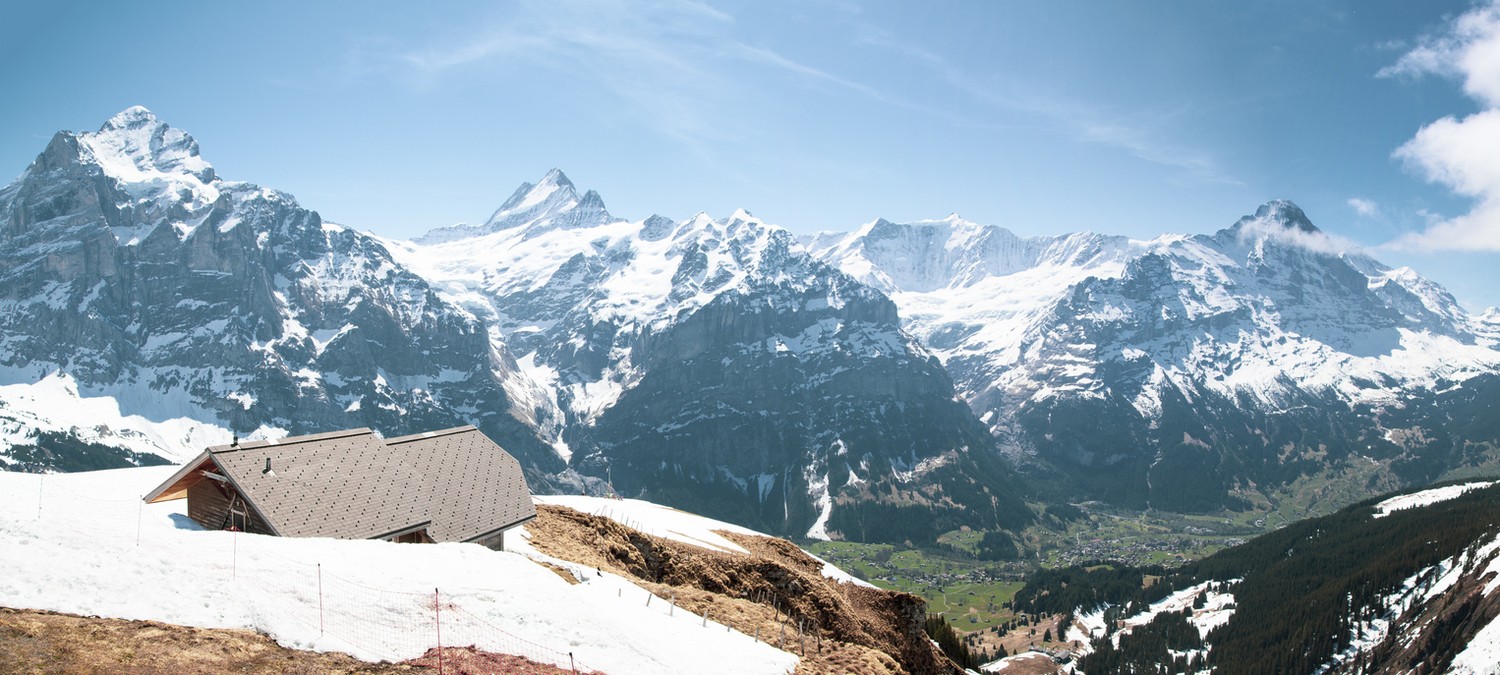
Photo: Trips to the First, above Grindelwald, are popular, as they offer a combination of panoramic trails, viewing platforms and easy walks.
The Jungfrau Region is home to a wealth of destinations that are renowned far beyond Switzerland’s borders, yet each offers a very different experience. Among the most impressive destinations is the Jungfraujoch – Top of Europe, which captivates visitors with train journeys through high-Alpine landscapes, vantage points overlooking glaciers and its unique altitude. A visit can easily be combined with a day trip and provides a striking sense of the scale of the High Alps.
Equally popular are trips to the First above Grindelwald, where panoramic trails, viewing platforms and easy walks can be combined. The sun-drenched terraces around Mürren or Wengen are quieter but no less impressive, offering sweeping views of the mountains and a relaxed atmosphere. Journeys on mountain railways, for example to Kleine Scheidegg or up to the Harder Kulm, also open up new perspectives on valleys, lakes and peaks.
It is precisely this diversity that makes the Jungfrau Region such an attractive destination: world-famous highlights sit side by side with quieter spots that leave room for your own discoveries. This makes it the perfect way to combine well-known sights with moments of tranquillity.
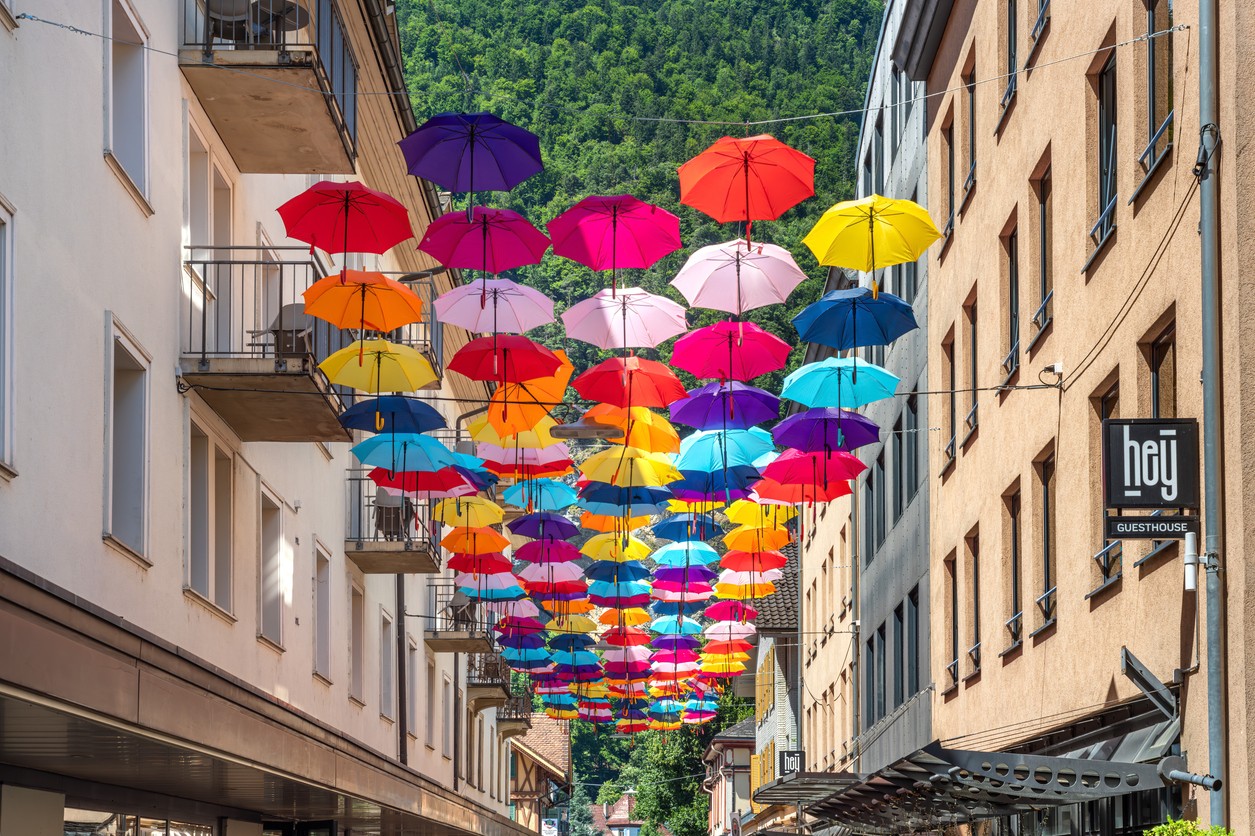
Photo: In Interlaken, alongside traditional inns, you’ll also find restaurants serving modern cuisine with international influences.
Culinary-wise, the Jungfrau Region is strongly influenced by Alpine traditions, yet at the same time offers surprising variety. Menus feature classic dishes such as cheese fondue, raclette and rösti, as well as seasonal specialities, often prepared using regional produce. Many restaurants combine traditional cuisine with contemporary touches against an impressive mountain backdrop.
In Grindelwald, Barry’s Restaurant, Bar & Lounge is a popular choice for modern takes on Swiss classics in a stylish setting. Also highly recommended is the Restaurant Glacier in the village centre, which combines regional cuisine with creative ideas. Those seeking an authentic mountain hut atmosphere should stop off at one of the numerous mountain inns, such as those around Kleine Scheidegg or above Wengen, where simple, hearty dishes are served with a view.
Mürren and Wengen also boast restaurants that take great care in preparing Alpine cuisine, prioritising quality and location. A special tip for vegetarian dishes is the Stägerstübli restaurant in Mürren, which is highly regarded for its varied, plant-based dishes served in a cosy atmosphere. Overall, the culinary scene in the Jungfrau Region is all about enjoyable breaks between mountain hikes, down-to-earth cuisine and charming venues that reflect the character of the region.
The Jungfrau Region offers a wide range of accommodation options – from traditional grand hotels to charming boutique hotels and cosy mountain lodges:
Victoria-Jungfrau Grand Hotel & Spa, Interlaken: One of the region’s best-known hotels, combining classic luxury with modern spa facilities. Its central location in Interlaken makes it an ideal base for excursions, whilst the spacious wellness area ensures relaxation.
Hotel Belvedere, Grindelwald: A stylish hotel with sweeping views of the mountains and a personal atmosphere. Particularly popular with travellers who wish to combine comfort with alpine charm.
Grand Hotel Belvedere, Wengen: A stylish grand hotel in the car-free village of Wengen, steeped in history and boasting impressive views of the Jungfrau. The hotel combines classic charm with modern comfort and is ideal for peaceful days in an alpine setting.
Hotel Edelweiss, Wengen: A cosy hotel in the car-free village of Wengen, which impresses with its family-friendly atmosphere and classic Alpine aesthetic. A good starting point for hikes and winter days in the snow.
Whether luxurious, traditional or deliberately unpretentious – the Jungfrau Region’s range of hotels offers options to suit a variety of needs and highlights the region’s Alpine character. By the way, in our Travel Deals section you’ll find daily updated travel offers for popular destinations in Switzerland and Europe – it pays to be quick!
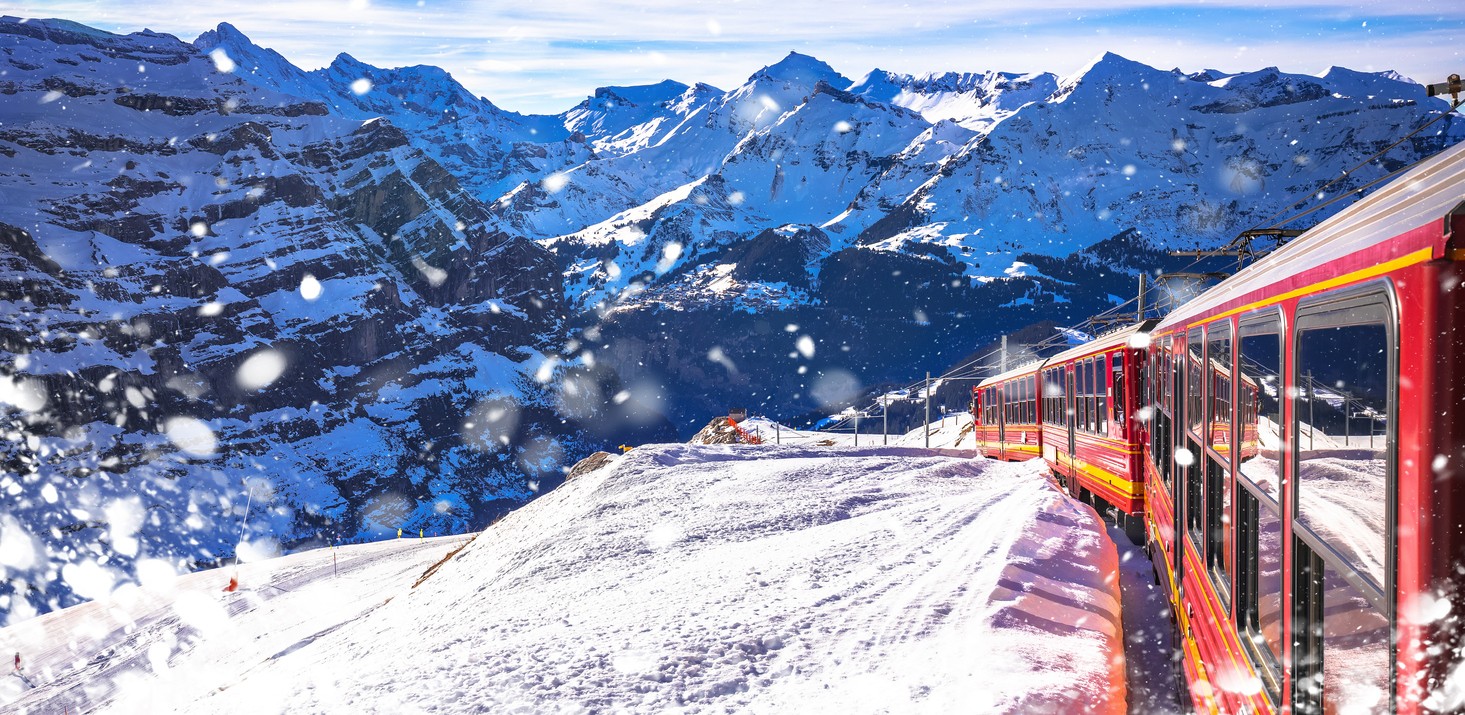
Photo: In the Jungfrau Region, trains and mountain railways provide access to the various towns and tourist attractions.
The Jungfrau Region is excellently connected to the public transport network and can be explored comfortably, sustainably and without the need for a car. Trains, mountain railways and buses link up seamlessly here, making the journey itself part of the travel experience.
Getting here: Most visitors arrive via Interlaken, which is directly connected to the national rail network. From here, trains run at regular intervals to Grindelwald and Lauterbrunnen, as well as on to car-free villages such as Wengen or Mürren.
Local public transport: Within the region, regional trains, buses and mountain railways ensure reliable access to all key towns and attractions. Combining train and mountain railway journeys is particularly convenient, allowing you to plan hikes and excursions flexibly.
Mountain railways: Cable cars and rack-and-pinion railways take guests in comfort to vantage points such as Kleine Scheidegg, First or Männlichen. Many of these journeys offer impressive panoramic views en route and are an experience in themselves.
Passes & tickets: The Jungfrau Travel Pass allows flexible use of numerous train and mountain railway routes in the region. For visitors staying for several days, the Swiss Travel Pass is also worthwhile, as it covers both the journey to and from the region.
Digital tools: Apps such as the SBB Mobile App help with route planning, display real-time timetables and make buying tickets easier.
Thanks to its excellent infrastructure, the Jungfrau Region is ideal for relaxed travel without a car. The well-connected transport network allows for spontaneous detours as well as carefully planned day trips.
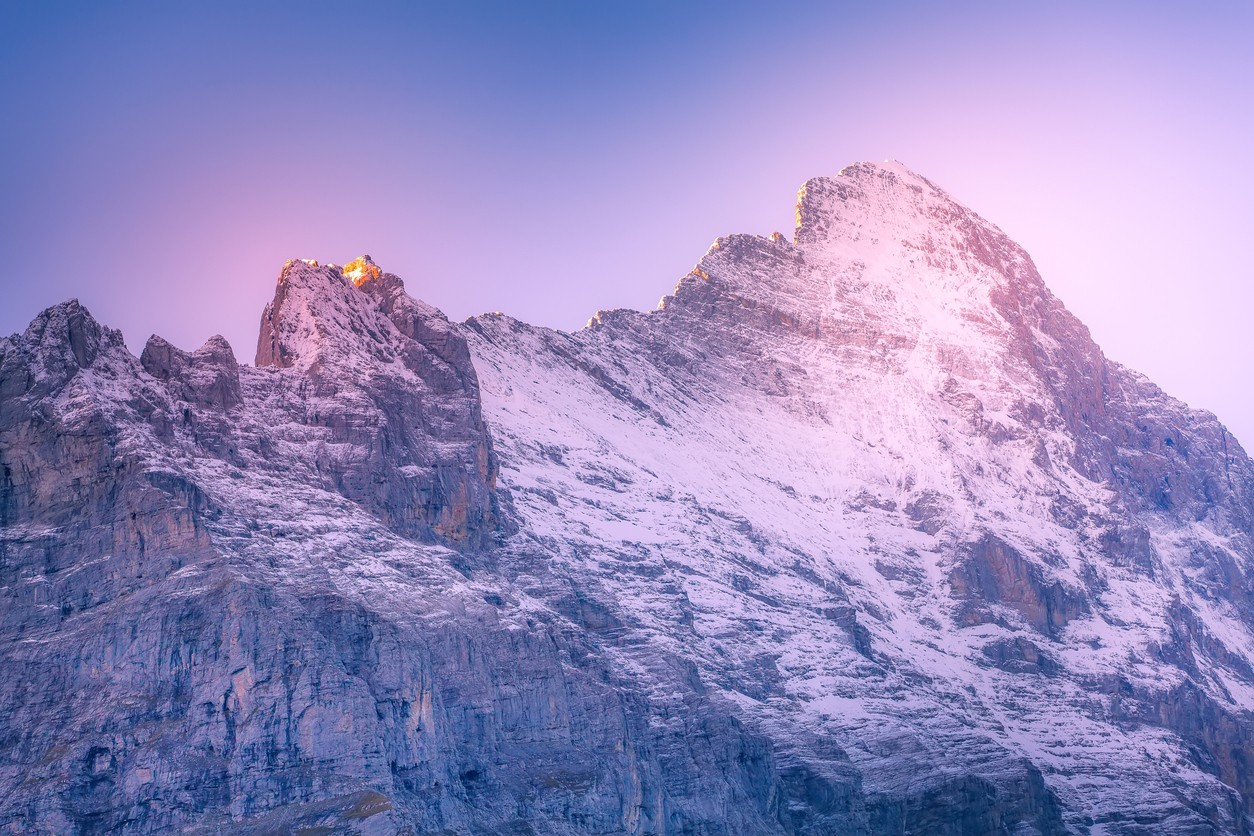
Photo: The Jungfrau region is a wonderful place to visit all year round, although its character changes significantly depending on the season.
The Jungfrau Region is a diverse destination that takes on a completely different character depending on the season. Thanks to the combination of valley villages, high-alpine regions and good transport links, visitors can experience unique aspects of the landscape in every season.
Spring: When the meadows in the valleys begin to bloom, the region reveals a particularly fresh side. Whilst there is often still snow at higher altitudes, walks, early hikes and excursions around Interlaken are ideal for a relaxed start to the season.
Summer: Summer is the most popular time to visit the Jungfrau Region. Hiking, panoramic trails and excursions into the mountains take centre stage, whilst mountain railways provide easy access to high-alpine vantage points. The long days also contribute to the special atmosphere of this season.
Autumn: In autumn, the region becomes quieter. Clear visibility, vibrant colours and pleasantly cool temperatures make this time ideal for hikes with sweeping views and enjoyable days away from the peak season.
Winter: In winter, the Jungfrau Region is transformed into a stunning snow-covered landscape. Skiing, winter hiking and snow-covered mountain villages characterise this season, offering atmospheric experiences against an alpine backdrop.
Whatever time of year you choose to visit, the Jungfrau Region offers the perfect opportunities for active days, experiences close to nature and peaceful breaks.
Conclusion: The Jungfrau Region combines spectacular mountain landscapes, traditional villages and a wide range of activities to form one of Switzerland’s most famous destinations. Whether you’re exploring on foot, travelling by mountain railways or simply relaxing in a mountain village – the region offers opportunities for both immersive experiences of nature and peaceful breaks. It is precisely this blend of world-famous attractions and authentic Alpine moments that makes the Jungfrau Region a destination that can be rediscovered time and time again.

© Swiss Bankers 2026


 Compare cards and conditions

