


Important information:
Am 10. April 2024 wurden das Kundenportal sowie der Web-Zugriff auf das Kartenkonto eingestellt. Bitte laden Sie die Swiss Bankers App herunter, um weiterhin uneingeschränkten Zugriff auf alle Dienste zu haben.
Are you a Swiss Bankers sales partner?
Hier geht es zum Partnerportal.
When the vineyards turn golden, the scent of roasted chestnuts hangs in the air and truffle season begins in the woods, Europe shows itself at its most delightful. You don’t have to travel far for a culinary autumn getaway: in Switzerland and the neighbouring regions, wine festivals, traditional inns and specialities that taste particularly good at this time of year await you.
 24.09.2026
 Eliza
Contents:
Neuchâtel: Grape harvest amidst the old town, vineyards and the lake
Alsace: Wine, tarte flambée and culinary delights in colourful wine-growing villages
Kaiserstuhl: Pinot wines and autumn delights amongst the vines
South Tyrol: Törggelen amongst vineyards and chestnut groves
Piedmont: Truffles, Barolo and hazelnuts in the hills of the Langhe
Aosta Valley: Fontina and Alpine cuisine amidst majestic mountain peaks
Bregenzerwald: Cheese culture amongst the mountains and farms
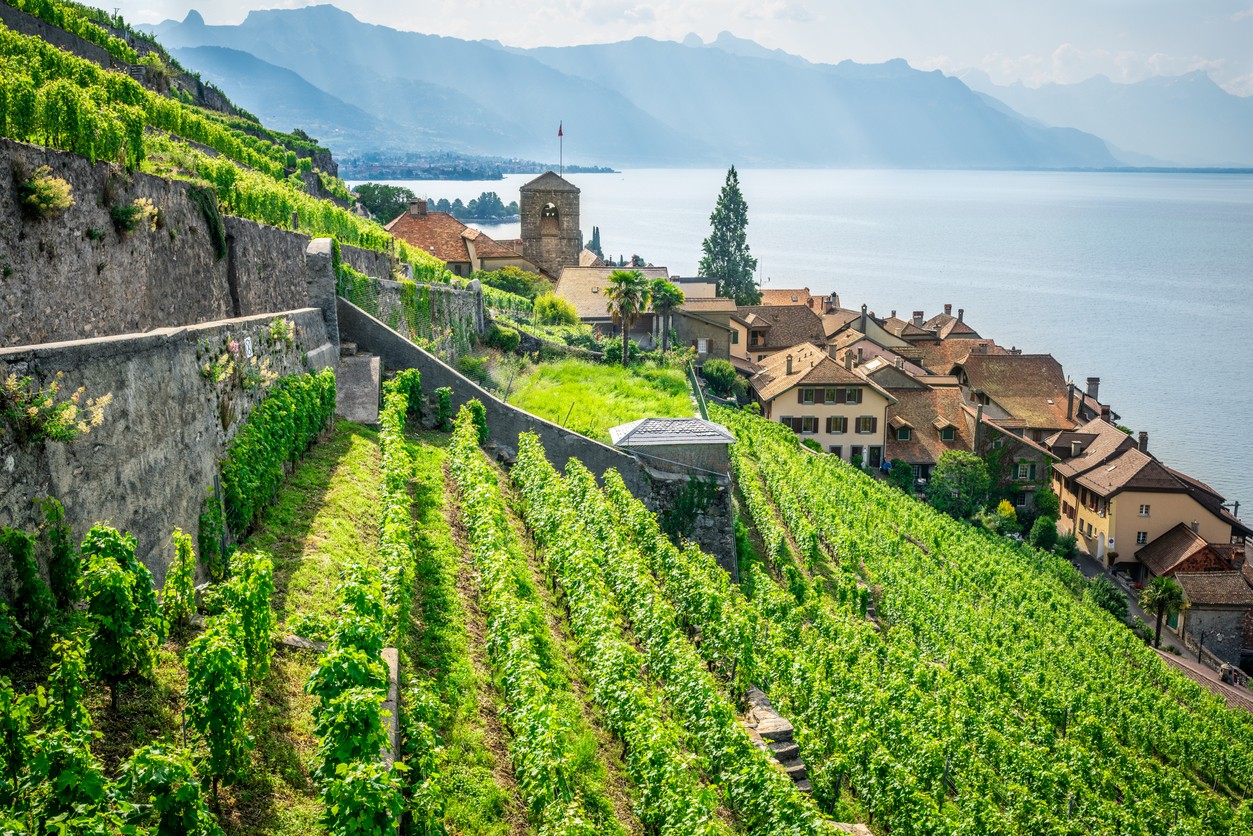
Photo: The terraced vineyards of Lavaux stretch above Lake Geneva and are a UNESCO World Heritage Site.
Between Lausanne and Montreux, the terraced vineyards of Lavaux stretch right down to the shores of Lake Geneva. In autumn, the vines glow golden whilst the grapes from the new harvest are being processed in the wine cellars. The region is best known for Chasselas – a delicately fruity white wine whose character is strongly influenced by the varied soils and terroirs of Lavaux.
The wine region is particularly lovely to explore on foot: walking trails link small wine-growing villages such as Cully, Epesses and Saint-Saphorin. Along the way, numerous wineries open their cellars for tastings. September is the month of the grape harvest, but Lavaux is also well worth a visit in October, when things quieten down amongst the vines and the landscape takes on its autumnal colours.
Hotel tip: The Hôtel Lavaux is situated amidst the vineyards above Lake Geneva. Many of the rooms, as well as the panoramic terrace, offer views over the vineyards, the lake and the Alps – an ideal base for a weekend of indulgence in Lavaux.
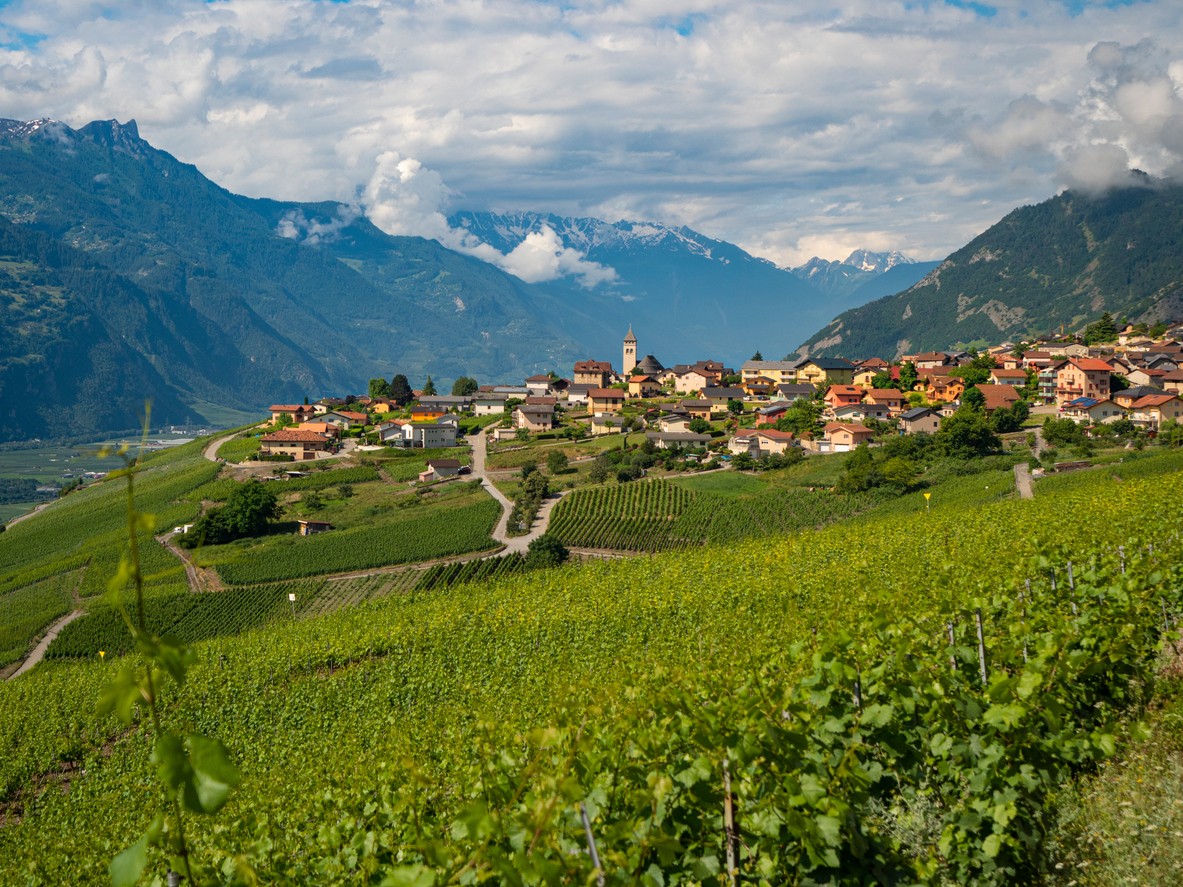
Photo: Sun-drenched vineyards characterise the landscape of the Valais, where wine, chestnuts and regional specialities are in season in autumn.
Hardly any other Swiss region combines autumn and culinary delights as naturally as Valais. Between Sion, Sierre and Martigny, grapes ripen on sun-drenched slopes, whilst chestnuts, raclette and Valais dried meat feature on the menus.
A typical autumn speciality is the brisolée: roasted chestnuts are served with cheese, dried beef, rye bread, grapes, apples and pears – accompanied by young wine or grape must. This tradition can be experienced particularly well in 2026 at the Chestnut Festival in Fully on 17 and 18 October. Around 300 market stalls showcase regional produce, crafts and, of course, chestnuts.
A culinary tip: in the wine-growing village of Salgesch, the Höllenwein restaurant at the Hotel Arkanum combines local produce with Valais specialities. In autumn, the seasonal menu features, amongst other things, brisolée and game; the establishment also boasts a wine shop and a hotel.
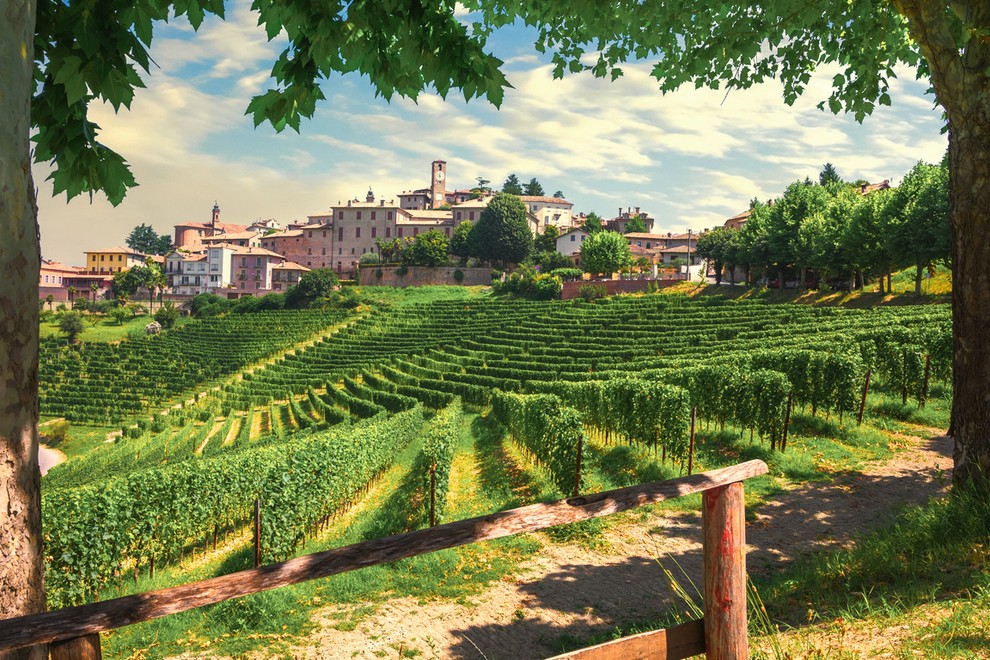
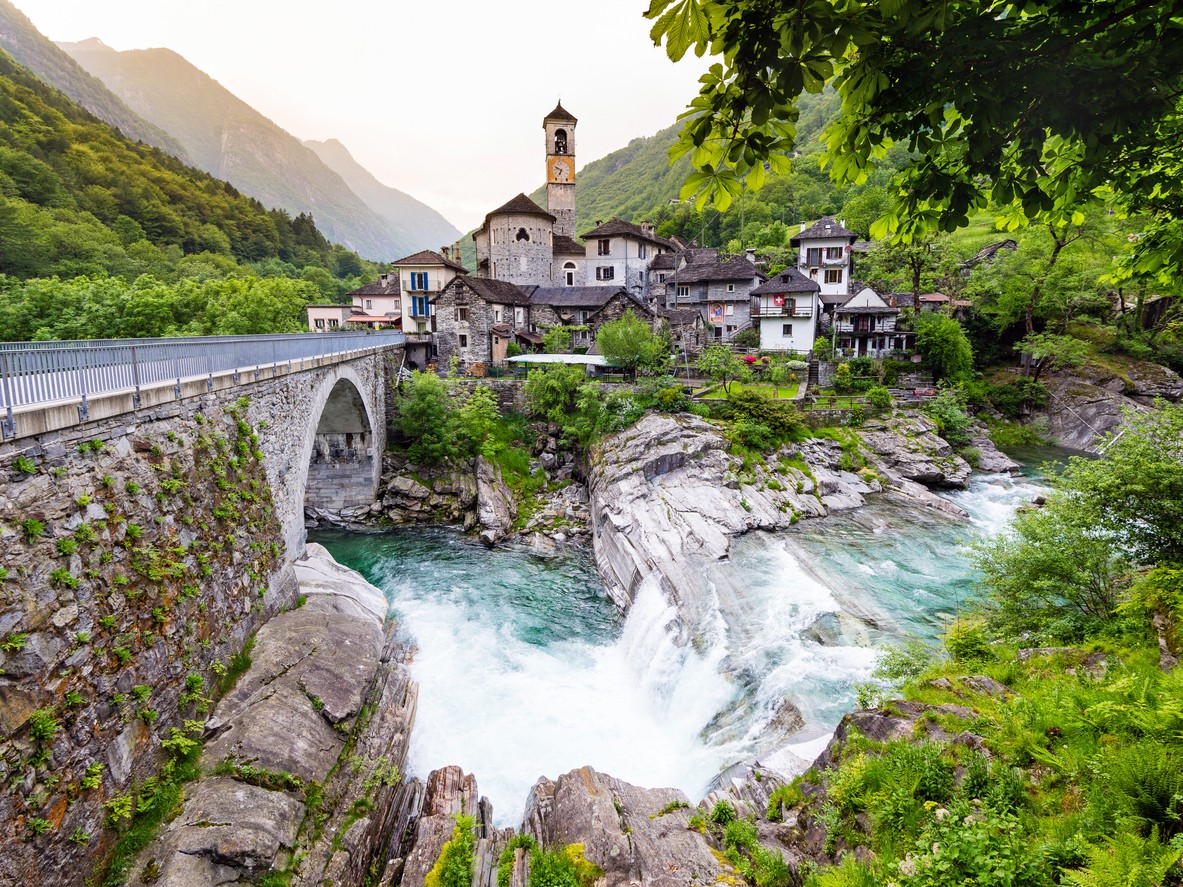
Photo: In the Verzasca Valley, traditional Ticino villages blend with chestnut woods and a regional cuisine steeped in tradition.
In Ticino, autumn lasts a little longer. Chestnut woods turn golden, mushrooms and chestnuts appear at the markets, and in the traditional grotti, polenta, Alpine cheese and hearty stews are served. All this is accompanied by a glass of Ticino Merlot.
Anyone wishing to experience the chestnut season to the full should head to the Verzasca Valley in 2026. From 3 to 25 October, the Mès der castégna takes place there: various events in the valley’s villages are dedicated to chestnuts – featuring walks, roasted chestnuts and culinary evenings. Locarno or Lugano make ideal starting points for a weekend of indulgence; those who prefer a more authentic experience can combine their trip with a detour to one of the surrounding valleys.
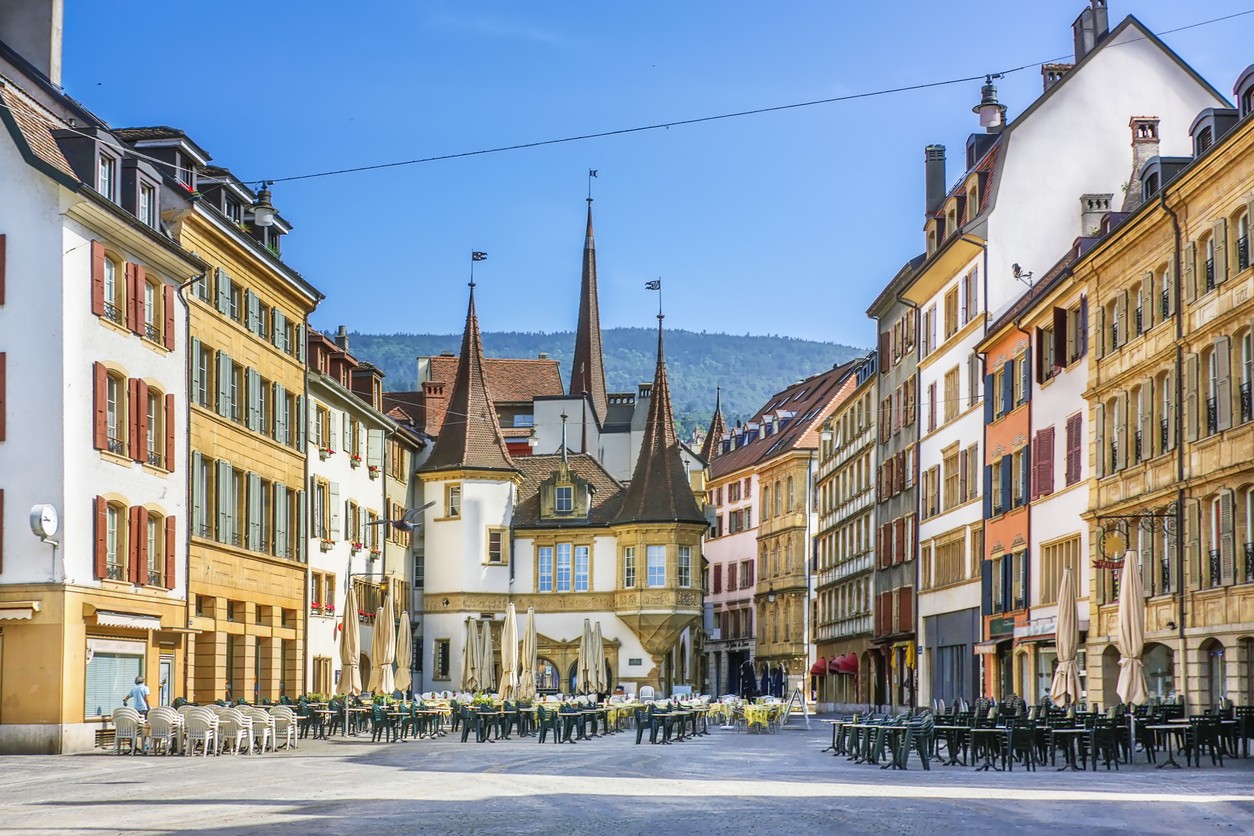
Photo: In autumn, a visit to Neuchâtel’s historic old town can be wonderfully combined with a trip to the surrounding vineyards.
Vineyards, the lake and a historic old town make Neuchâtel an especially easy destination for an autumn culinary weekend. Amongst the varieties grown in the vineyards around Lake Neuchâtel are Chasselas and Pinot Noir – and at the end of September, the grape harvest is celebrated in style.
The Fête des Vendanges de Neuchâtel will take place from 25 to 27 September 2026. For three days, winemakers, regional produce and events take centre stage in the city; the programme includes tastings of regional wines, a grand flower parade and numerous market and food stalls. Those who prefer a more leisurely pace should visit in October and combine a trip to Neuchâtel with visits to the wine-growing villages along the lake. This makes the region a wonderful place to explore by train.
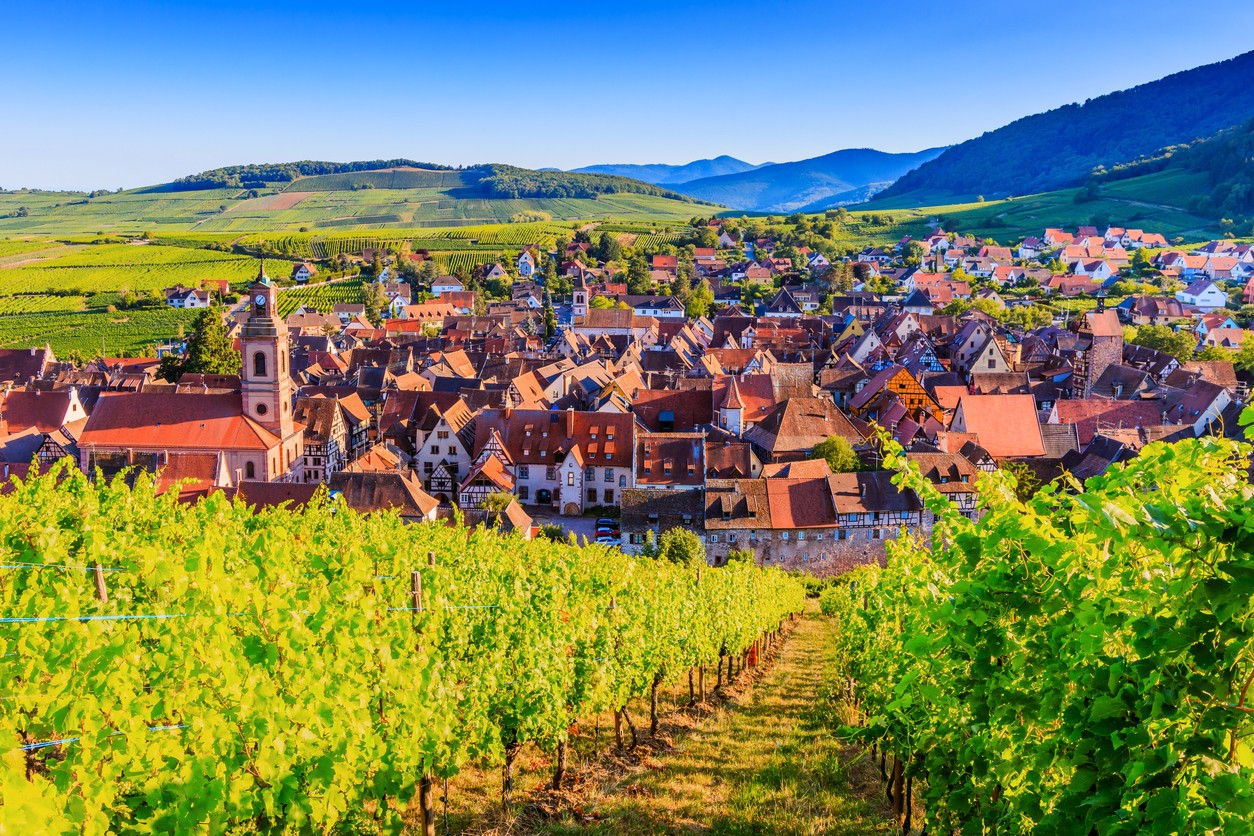
Photo: Vineyards and historic wine-growing villages characterise the Alsace Wine Route, making it a particularly delightful destination in autumn.
Half-timbered houses, narrow alleyways and vineyards that glow in warm shades of gold and red in autumn: Alsace seems tailor-made for a culinary getaway. Smaller wine-growing villages such as Eguisheim, Kaysersberg and Riquewihr along the Alsace Wine Route are particularly charming.
When it comes to cuisine, tarte flambée, Munster cheese and a glass of Riesling or Gewürztraminer are a must. A special occasion for a trip is the Fête des Vendanges in Barr from 2 to 4 October 2026. This traditional grape harvest festival celebrates the new vintage with wine, music and a grand flower parade on Sunday. If you have several days to spare, you can choose Colmar as your base and, from there, visit various wine-growing villages along the Alsace Wine Route, stop off at traditional wine taverns and enjoy wine tastings at the vineyards.
Hotel tip: L’Esquisse Hotel & Spa is the perfect choice for a delightful break in Colmar. This five-star hotel enjoys a peaceful setting in the Parc du Champ de Mars, yet is just a stone’s throw from the old town. The hotel features a spa and the two-Michelin-starred restaurant JY’S – meaning you can continue your culinary journey right there in the hotel in the evening.
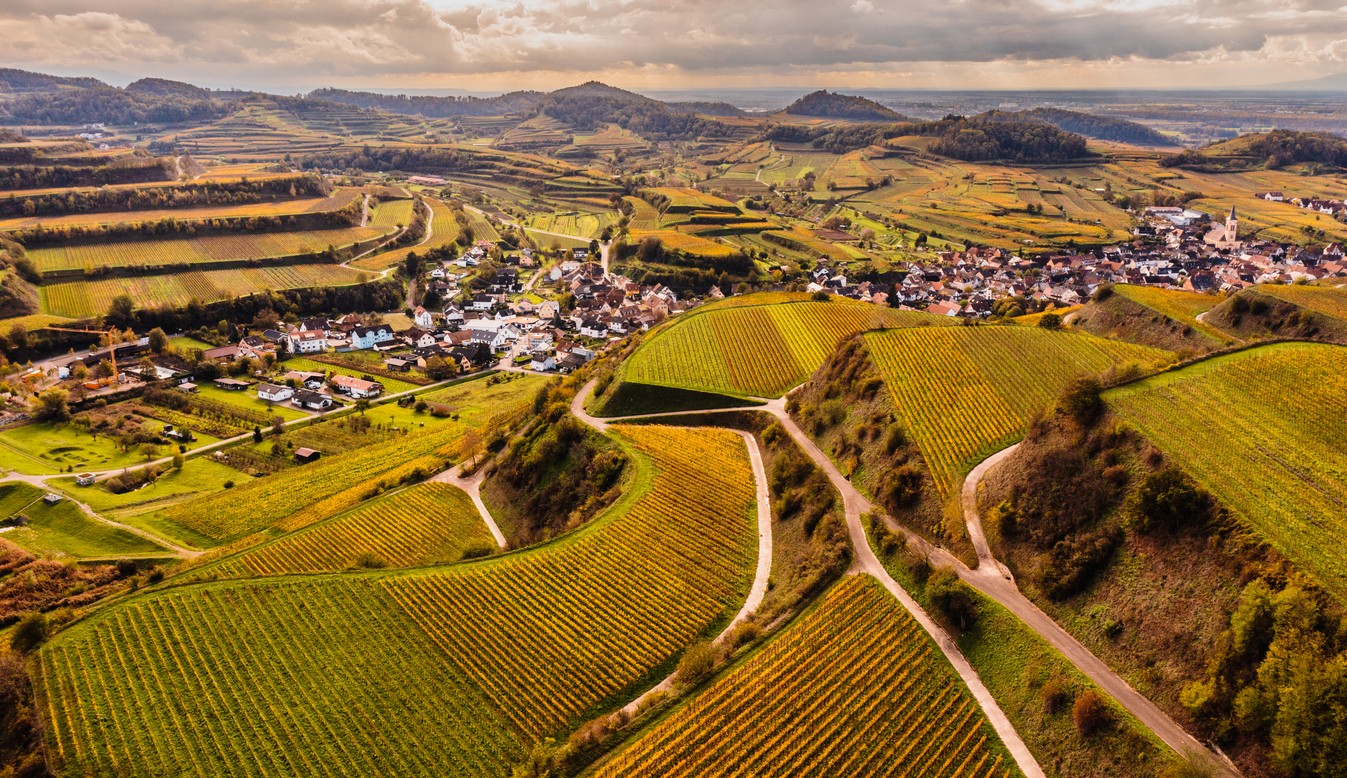
Photo: In autumn, the vineyards of the Kaiserstuhl are transformed into a golden backdrop for walks and wine tastings.
Just a few kilometres north of Freiburg, the Kaiserstuhl rises from the Rhine valley. The mild climate makes the region one of Germany’s best-known wine-growing areas – Pinot varieties in particular thrive here.
In 2026, a visit is particularly worthwhile between 10 October and 8 November. This is when the KaiserHerbst takes place, a series of events centred on wine, cuisine, culture and nature. The programme includes wine walks, visits to winegrowers and culinary events. Towns such as Ihringen, Endingen or Vogtsburg make ideal starting points. A particular highlight is the chance to combine these culinary delights with walks through the autumnal vineyards.
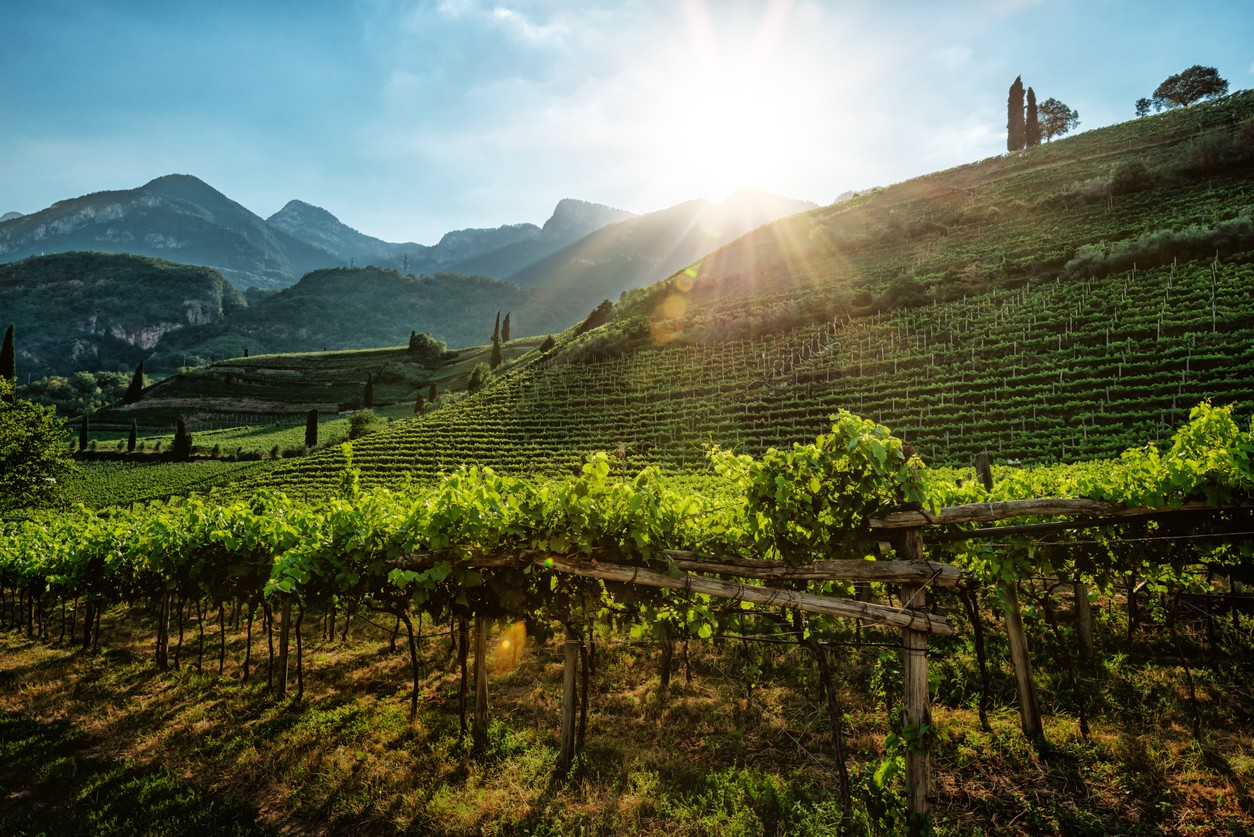
Photo: Amidst vineyards and chestnut groves, the traditional Törggele season begins in South Tyrol in autumn.
When the new wine is ready and the chestnuts are ripening, the Törggelen season begins in South Tyrol. What began as a tasting of young wine at the farmers’ homes has now become one of the region’s most delightful autumn culinary traditions.
Particularly around Brixen and in the Eisack Valley, footpaths wind through vineyards and chestnut groves to wine taverns and farmhouses. There, dishes such as dumplings, Schlutzkrapfen, bacon, homemade sausages and sauerkraut are served, before roasted chestnuts round off the meal. This is accompanied by must and young wine. The Törggele season runs from early October to late November.
A tip for food lovers: the experience is particularly authentic in one of the traditional farm inns and wine taverns. Around Villanders, the Oberpartegger and the Pschnickerhof are among the officially listed Törggele establishments. For those wishing to combine culinary delights with an overnight stay, the Spitalerhof Winery & Gourmet Hotel is a particularly suitable choice in the wine region.
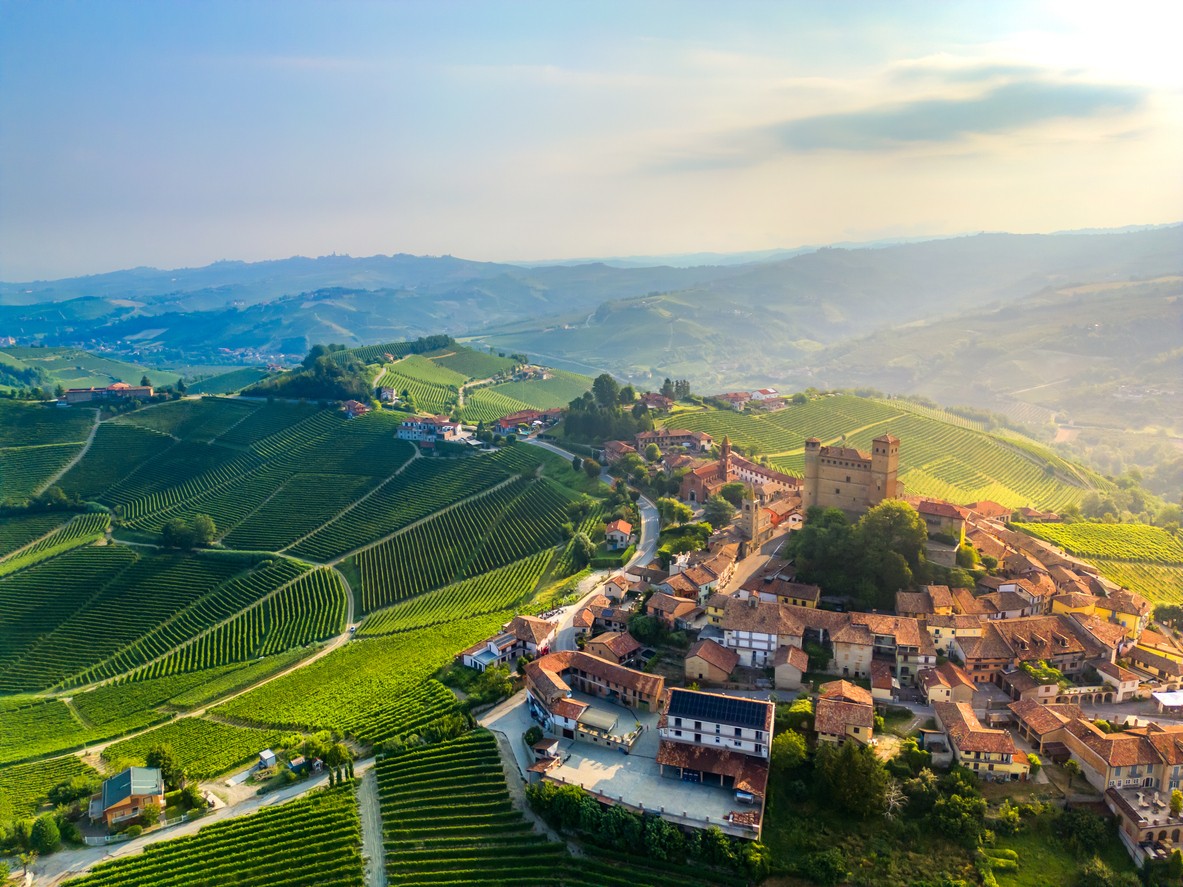
Photo: The vineyards from which famous wines such as Barolo and Barbaresco originate stretch out all around the villages of the Langhe.
If there is one destination that epitomises culinary luxury in autumn like no other, it is Piedmont. Around Alba and the Langhe hills, some of Italy’s most famous wines come together with hazelnuts, tajarin pasta and the prized white Alba truffle.
The Alba International White Truffle Fair will take place from 10 October to 6 December 2026. The programme includes, amongst other things, the truffle market, cooking events and tastings. Alba is the ideal starting point for combining your trip with a tour of the Barolo and Barbaresco regions. The atmosphere is particularly charming outside the town: nestled amongst the autumnal vineyards are small villages, wineries/wine estates and agriturismi – perfect for a long weekend of indulgence.
Restaurant tip: For a special evening, Piazza Duomo is one of Alba’s most renowned culinary destinations and has been awarded three Michelin stars. Those who prefer to stay right in the heart of the vineyards will find, for example, the small Langhe & Wine Accommodation, which has just four rooms and its own wine production – a lovely alternative to staying in Alba itself.
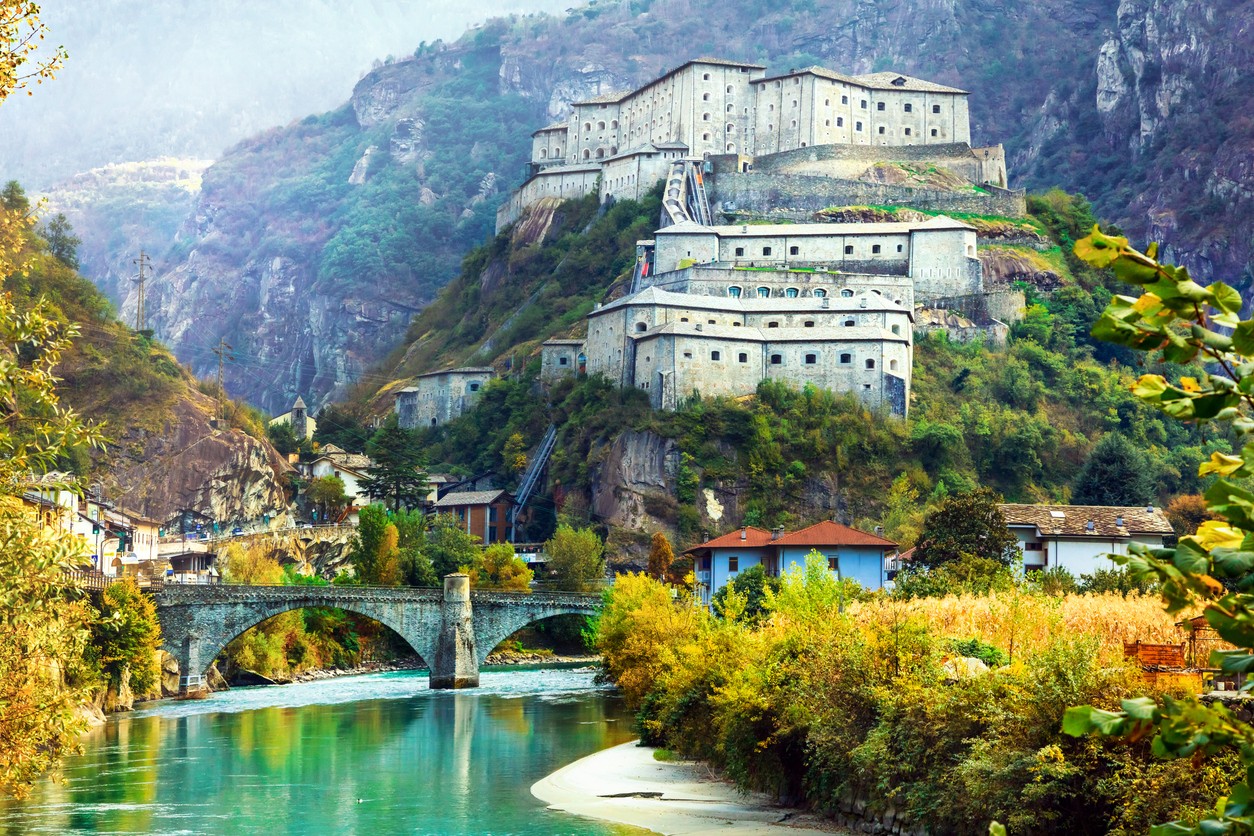
Photo: The imposing fortress of Bard provides a striking backdrop for the autumnal Marché au Fort food market.
The Aosta Valley is far less well-known than neighbouring Piedmont – and that is precisely why it is a wonderful choice for anyone seeking regional cuisine away from the usual culinary hotspots. Fontina cheese, mountain potatoes, polenta, cured meats and the distinctive wines of this small Alpine region define the local cuisine.
A particularly good reason to visit in 2026 is the Marché au Fort on 10 and 11 October in the medieval town of Bard. This large food market is dedicated to traditional products from the Aosta Valley and combines market stalls, tastings and regional dishes. Another culinary event follows at the end of October: from 30 October to 1 November, the Torgnon d’outon in Torgnon will focus on mountain potatoes and Fontina.
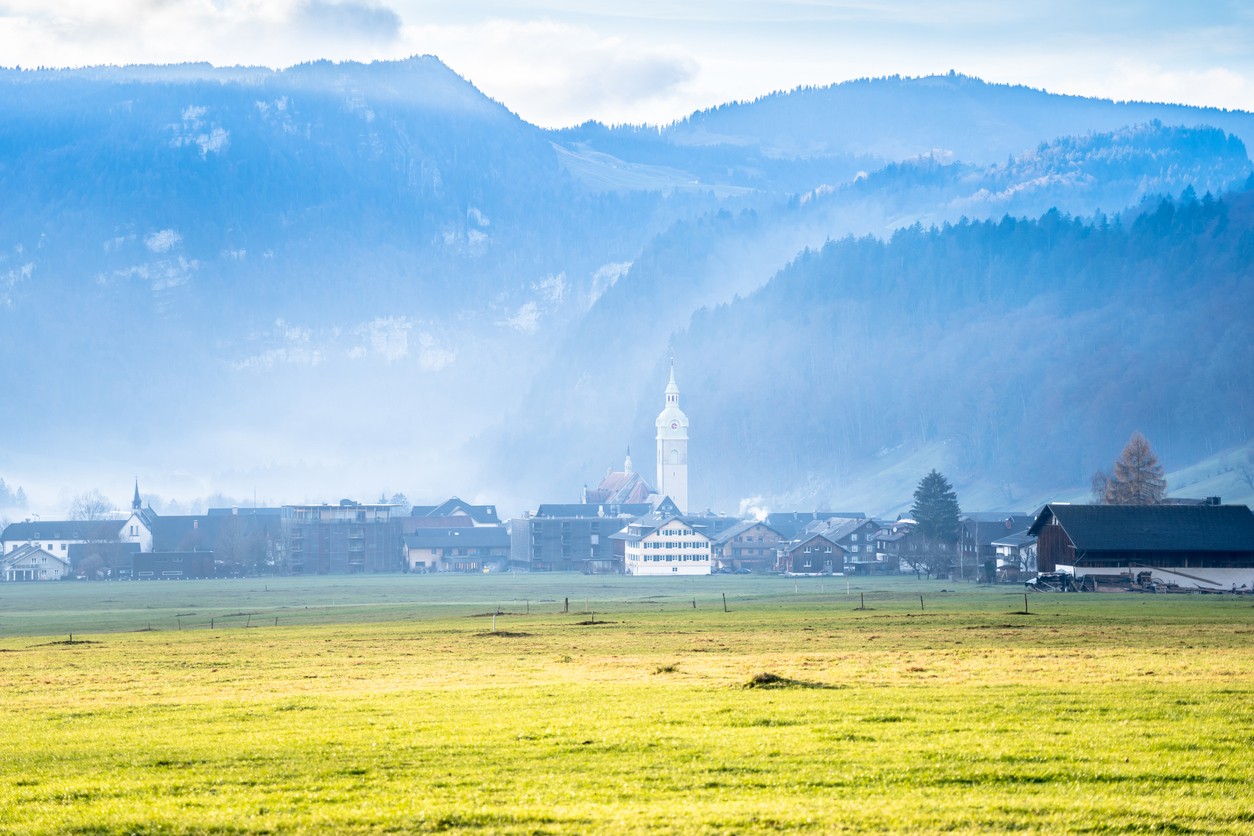
Photo: Nestled amongst green meadows and rolling hillsides, the Bregenzerwald preserves its rich cheese-making tradition.
To round things off, we return to the Alps. In the Bregenzerwald, cheese has been part of the regional culture for centuries. The tangy Vorarlberg mountain cheese, traditionally made from hay milk, is particularly well known. The Bregenzerwald Cheese Route comprises a network of more than 160 alpine dairies, farms, inns and other establishments. This allows you to choose various stops along the way and combine them into a personalised tour: depending on the establishment, you can visit an alpine dairy, sample cheese or buy directly from the producer. You should enquire in advance with the respective establishment about guided tours and tastings.
A particularly good starting point is the Bregenzerwald Cheese Cellar in Lingenau. Through a glass panel, visitors can catch a glimpse of the large maturing cellar, where thousands of wheels of mountain and alpine cheese are stored, and discover regional specialities in the adjoining shop. Those wishing to delve deeper into cheese culture can also book a cheese tasting via the KäseStrasse website. The versatility of local cheese is also evident in the regional cuisine: One of the best-known specialities is Vorarlberg Kässpätzle, which features on the menu at many traditional inns. Places such as Bezau, Schwarzenberg and Mellau make excellent bases for a long weekend of culinary delights.
Conclusion: Whether it’s white truffles in Alba, Törggelen in South Tyrol or chestnuts in Valais: many specialities taste best right where they originate. Autumn perhaps offers the finest opportunity for this – when the harvest is brought in, the vineyards change colour and heartier dishes reappear on the menus of local inns. And for many of these culinary getaways, all you need is a free weekend.

© Swiss Bankers 2026


 Compare cards and conditions

