


Important information:
Am 10. April 2024 wurden das Kundenportal sowie der Web-Zugriff auf das Kartenkonto eingestellt. Bitte laden Sie die Swiss Bankers App herunter, um weiterhin uneingeschränkten Zugriff auf alle Dienste zu haben.
Are you a Swiss Bankers sales partner?
Hier geht es zum Partnerportal.
You open the card app and are taken aback: 29.90 francs charged to a retailer you’ve never heard of. A subscription you’ve forgotten about? It’s possible. Or has someone else made a purchase using your card details? At first glance, it’s often impossible to tell. Sometimes it can even take weeks before data misuse is noticed. In this article, we’ll show you how to spot potential data misuse, when you should take immediate action, and how you can better protect your personal data in everyday life.
 31.10.2026
 Miryana
The two terms often appear in the same sentence, but they do not mean the same thing.
Fraud is about deception. Criminals use it to gain a financial or other advantage. For example, they might pay a fake invoice, place an order with a shop that doesn’t actually deliver, or enter your details on a website that merely looks like your bank’s.
Data misuse works differently. Here, information about you is used without your knowledge or consent: a password, a card number, or a copy of your ID. This can be used to take over accounts, order goods or enter into contracts – all in your name. You don’t have to have fallen for anyone’s tricks for this to happen.
In practice, the two often go hand in hand. Anyone who gets hold of your card details can use them to make unauthorised payments. Data misuse can therefore quickly lead to financial loss. However, this is not inevitable. Stolen data sometimes lies unused for weeks or months before anything happens. This is precisely why the theft is often only discovered at a late stage.
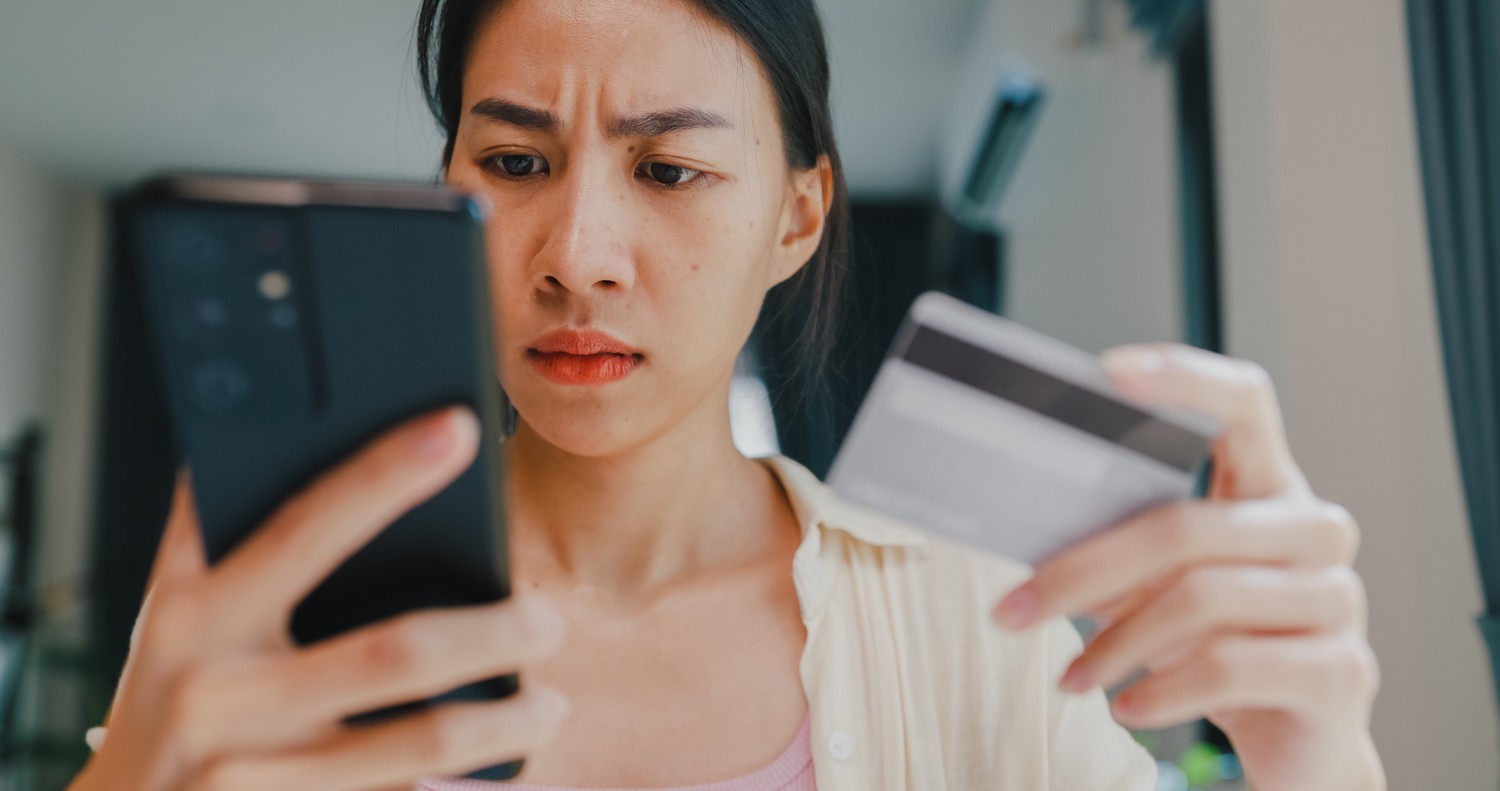
When personal data falls into the wrong hands, it often goes unnoticed at first. You might spot an unfamiliar payment, receive a strange email or a verification code that you didn’t ask for. Such anomalies can easily get lost in the hustle and bustle of everyday life.
You should take a closer look if you notice these signs:
Fake messages can look deceptively genuine. In some cases, even the displayed telephone number or sender’s name is correct. You can find out how fraudsters manipulate such details in our article ‘Spoofing explained: types, warning signs and protective measures’.
Not every unusual notification is necessarily an attempt at fraud. Nevertheless, you should investigate the cause, especially if a payment or security notification cannot be explained. If in doubt, contact the relevant provider directly.
Have you entered your card details on a suspicious website or noticed an unauthorised charge? If so, you should act quickly to prevent further damage.
Here’s what you should do now:
Block your card: If your card details may have fallen into the wrong hands, block the card. With Swiss Bankers, you can use the ‘Replace card’ function in the app or contact customer services.
Change your passwords: If your login details have been compromised, change the relevant passwords – including on other services, if you use the same ones in multiple places.
Report unknown payments: Inform your card provider about any suspicious transactions. With Swiss Bankers, you can report these via the dispute form. Please note the 30-day reporting deadline from the transaction date.
Save evidence: Keep any suspicious messages, screenshots and payment receipts.
Report the incident: If your details have been used for fraudulent payments or other criminal offences, contact the police.
Just clicked a link? If you haven’t entered any details or downloaded anything, you haven’t necessarily suffered any loss. Close the page and check that your device and browser are up to date.
Has a copy of your ID been compromised? Report the incident to the police or an ID centre. If your details have been misused for orders or contracts, also inform the companies concerned.
Report phishing: You can report suspicious websites to the Federal Office for Cyber Security (BACS) via antiphishing.ch.
A password you’ve been using for years. A quick click on a link in a text message. In everyday life, you rarely think of fraud when it comes to little things like this. Yet a few simple habits can go a long way towards preventing it.
Here’s what you should bear in mind:
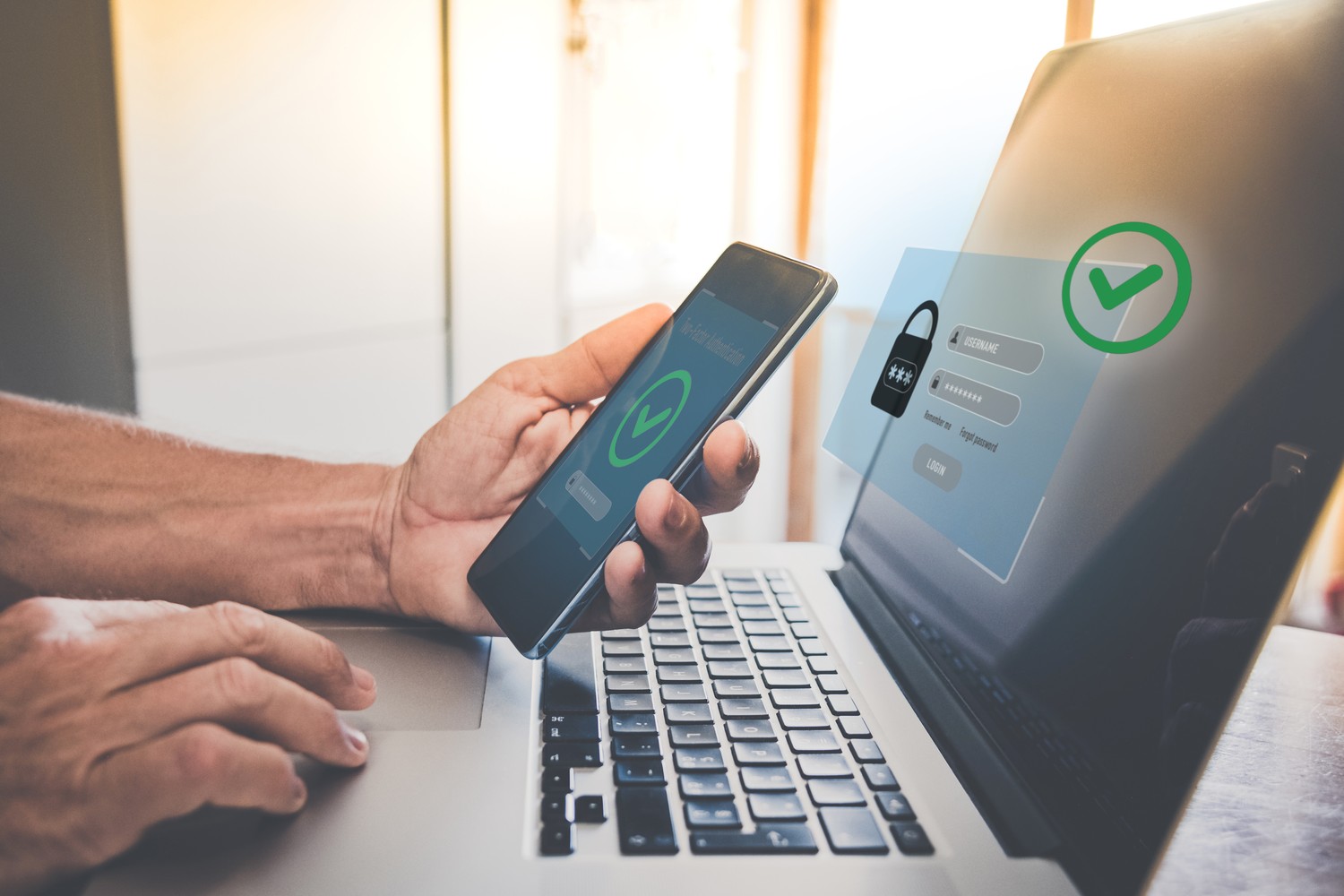
An unknown payment doesn’t necessarily mean fraud. Nor does a suspicious message necessarily indicate data misuse. Nevertheless, you should take such anomalies seriously and investigate their cause.
Using different passwords, being mindful of how you handle personal data and regularly checking your payments can save you a lot of trouble. It’s best to start right away: open your card app today and go through your recent payments. You might spot something you’ve overlooked so far.

© Swiss Bankers 2026


 Compare cards and conditions

