


Important information:
Am 10. April 2024 wurden das Kundenportal sowie der Web-Zugriff auf das Kartenkonto eingestellt. Bitte laden Sie die Swiss Bankers App herunter, um weiterhin uneingeschränkten Zugriff auf alle Dienste zu haben.
Are you a Swiss Bankers sales partner?
Hier geht es zum Partnerportal.
All it takes is a brief moment of inattention: you leave your handbag in a taxi, your wallet suddenly goes missing, or a payment you can’t account for appears on your bank statement. This can quickly become a real headache, especially whilst on holiday, far from home. What should you do now? Who should you contact, how can you get your money back, and what can you do to prepare before you travel? We’ll show you how to respond correctly in the event of loss, theft or fraud.
 31.10.2026
 Miryana
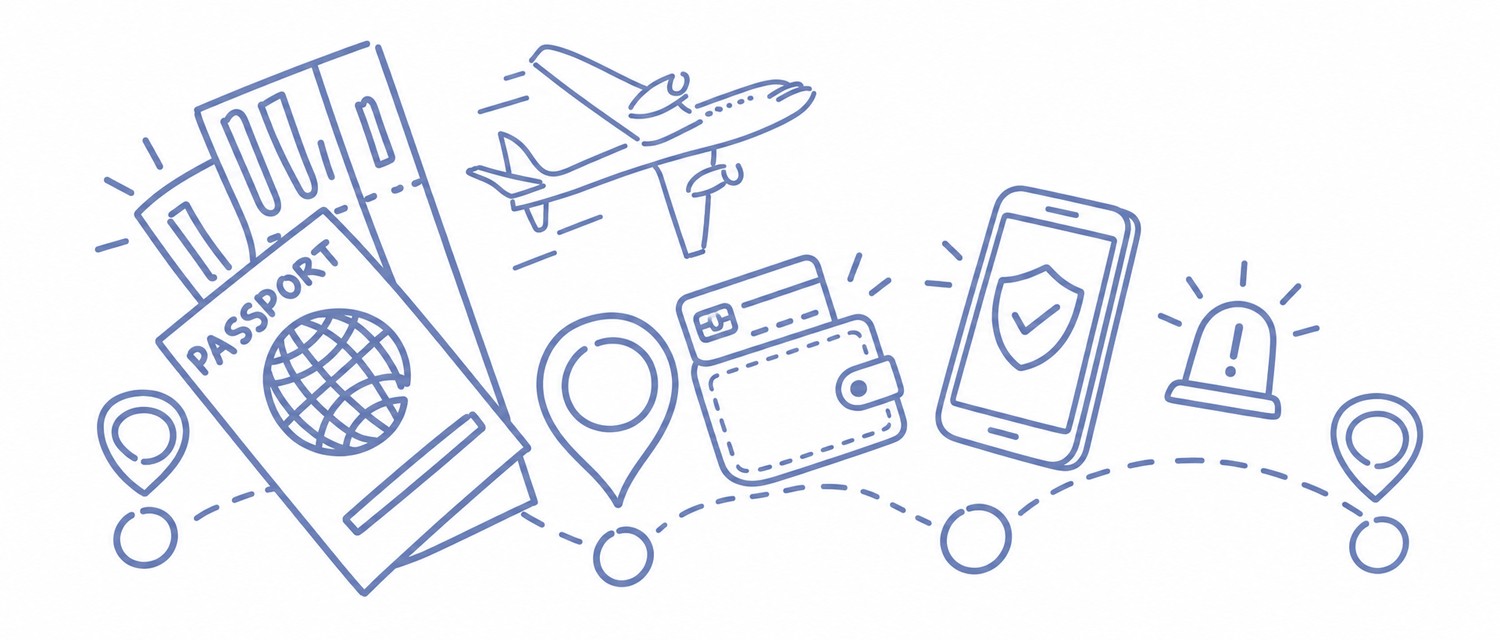
Who wants to think about stolen cards or lost documents before going on holiday? Yet a few simple precautions are all it takes to save yourself a lot of trouble in an emergency.
These five things should be part of your travel preparations:
Our tip: Before you set off, ask yourself: could I continue my journey if my wallet and smartphone went missing tomorrow? If you have an answer to that, you’re already well prepared.
Your wallet’s gone. Perhaps you left it in a taxi, or perhaps it was stolen. Naturally, you’ll want to look for it first. But as long as it’s unclear where your cards are, you shouldn’t waste any time. The most important thing now is to prevent any potential damage.
Here’s what you should do:
Block your cards immediately: Block your payment cards via the app or by contacting customer services. With Swiss Bankers, you can do this directly in the app.
Check your account activity: Check your recent transactions and report any unauthorised debits to your card provider straight away.
Protect your smartphone: If your mobile phone is also missing, block it remotely if possible, have the SIM card deactivated and secure access to your important accounts.
Report the theft: Then report the incident to your local police and ask for a police report to be issued.
Replace identity documents: If your passport or identity card is missing, contact the relevant Swiss embassy or consulate.
Important: Your safety comes first. Do not attempt to chase after a suspected thief yourself. First, take care of your cards and personal account details. Everything else can be sorted out afterwards.
You receive a message from your hotel asking you to confirm your booking. The link provided looks legitimate. You enter your card details and only realise later that the message was a scam. Or you spot a charge on your card app that you can’t account for. To find out what tricks criminals use and how you can protect yourself, read our article ‘Fraud traps abroad: How to protect your card and your money’.
In such cases of fraud, you often still have the card in your possession. Nevertheless, your card details may already have fallen into the wrong hands. That’s why you should take action as soon as you have the slightest suspicion.
What to do if you suspect fraud:
Good to know: Even if you have confirmed a fraudulent payment yourself, you should report the incident immediately. Whether a refund is possible depends on the circumstances and the applicable card terms and conditions.

Your cards have been blocked, the theft has been reported and the initial shock has subsided. But what happens next? After all, you’ll want to carry on with your holiday as carefree as possible.
Here’s what matters now:
Once back home, it’s worth going over the incident again. Do any further documents need replacing? Have all insurance matters been sorted out? And what could you do differently on your next trip? Perhaps pack an extra card or secure important documents more securely. It’s often these little things that make a big difference next time.

Nobody wants to think about stolen cards, lost documents or attempts at fraud whilst on holiday. However, such incidents cannot be ruled out entirely. If you carry a spare card, know the important emergency numbers and know how to block your cards, you’ll be at a clear advantage in an emergency.
And should something actually happen, the rule is: protect your cards and personal details first, then sort out everything else. With a bit of preparation, you can avoid a lot of hassle – and hopefully there’ll still be enough time to enjoy the rest of your holiday.

© Swiss Bankers 2026


 Compare cards and conditions

