


Important information:
Am 10. April 2024 wurden das Kundenportal sowie der Web-Zugriff auf das Kartenkonto eingestellt. Bitte laden Sie die Swiss Bankers App herunter, um weiterhin uneingeschränkten Zugriff auf alle Dienste zu haben.
Are you a Swiss Bankers sales partner?
Hier geht es zum Partnerportal.
For many, Faro is their first taste of the Algarve – and it deserves to be more than just a stop-off point. The city combines historic old town streets, laid-back squares, fresh seafood and the stunning natural beauty of the Ria Formosa. In this blog post, we’ll show you which sights are worth visiting, where Faro is at its most beautiful, which beaches and day trips you can plan, and which tips on food, events in 2026, accommodation and travel preparations will make your city break even more relaxing.
 09.05.2026
Contents:
Faro’s Old Town: historic alleyways, city walls and Algarve charm
Ria Formosa: a nature experience right on the city’s doorstep
Praia de Faro: that beach feeling just a few minutes from the city
Igreja do Carmo and Capela dos Ossos: Faro’s unusual attractions
Museums in Faro: a compact way to experience culture and history
Cuisine and bars in Faro: personal favourite spots for moments of indulgence
Conclusion: Faro is more than just the gateway to the Algarve
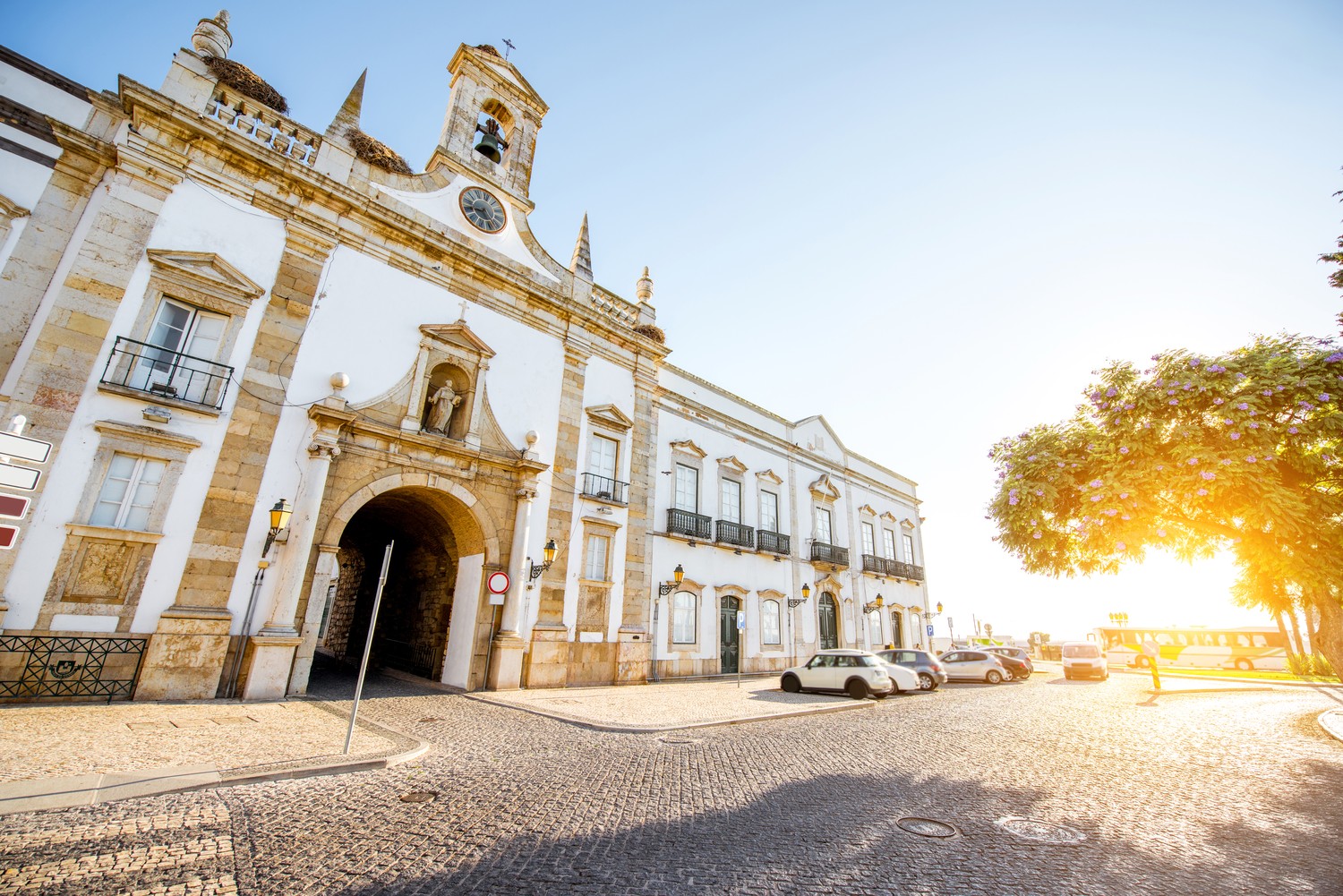
Photo: A view of the Arco da Vila in Faro’s historic old town.
Faro’s Old Town, the Cidade Velha, is one of the most beautiful parts of the city and the ideal starting point for a city break. Passing through the imposing Arco da Vila, you enter a quieter part of Faro with cobbled streets, whitewashed houses, small squares and historic city walls. Instead of the hustle and bustle of the city centre, you’ll find a relaxed atmosphere here that perfectly suits Portugal.
The Largo da Sé, home to Faro Cathedral, is particularly worth a visit. Those who climb the tower are rewarded with a beautiful view over the rooftops of the old town, the marina and the lagoon landscape of the Ria Formosa. However, the best way to explore the Cidade Velha is without a set plan: stroll through narrow alleyways, discover small details on the façades and pop into a café for a break now and then.
Optional stop: if you’re looking for a quiet break in some greenery, you can visit the Jardim da Alameda João de Deus. This city garden lies slightly off the main tourist routes and offers shade, palm trees and a relaxed local atmosphere – ideal for a short break during your stroll through the city.
What makes Faro so special is its location on the Ria Formosa. This extensive lagoon system, with its channels, salt marshes, sandbanks and small islands, is one of the Algarve’s most impressive natural areas – and begins practically right on the city’s doorstep. Here, Faro reveals a peaceful, almost unexpectedly natural side.
The best way to explore the Ria Formosa is on a boat trip or by ferry. Trips to Ilha Deserta or Ilha do Farol are particularly worthwhile, where long sandy beaches, dunes and plenty of peace and quiet await. Anyone who enjoys photography, birdwatching or simply wants to spend half a day surrounded by water, nature and the sea should definitely make time for a visit to the Ria Formosa.
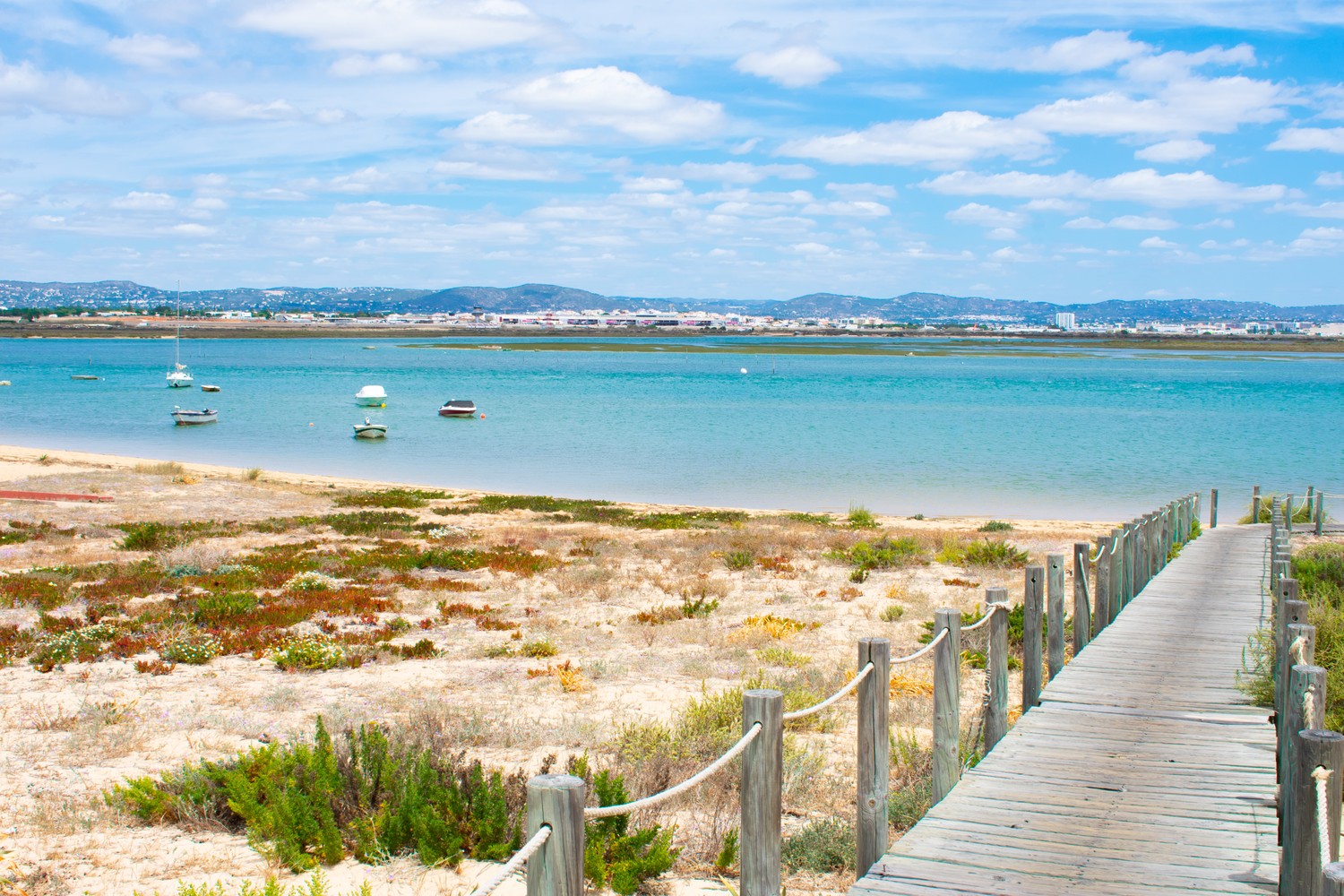
Photo: Praia de Faro: a laid-back Atlantic beach just outside the city.
Although Faro isn’t exactly considered a classic beach town, the sea is never far away. Praia de Faro is situated around 10 kilometres from the city centre on an offshore island between the Atlantic and the Ria Formosa. It’s easily accessible by car, on bus routes 14 or 16, or – depending on the season – by ferry – ideal if you want to combine a city break with a few relaxing hours by the water.
The sandy beach, which is around 5 kilometres long and faces the Atlantic, offers plenty of space for a stroll, sunbathing or a break with a view of the sea. The atmosphere is pleasantly relaxed and local, with restaurants, bars and cafés lining the beach. Praia de Faro is particularly lovely in the afternoon or at sunset, when the light softens and Faro suddenly feels almost like a little-known gem for a seaside holiday.
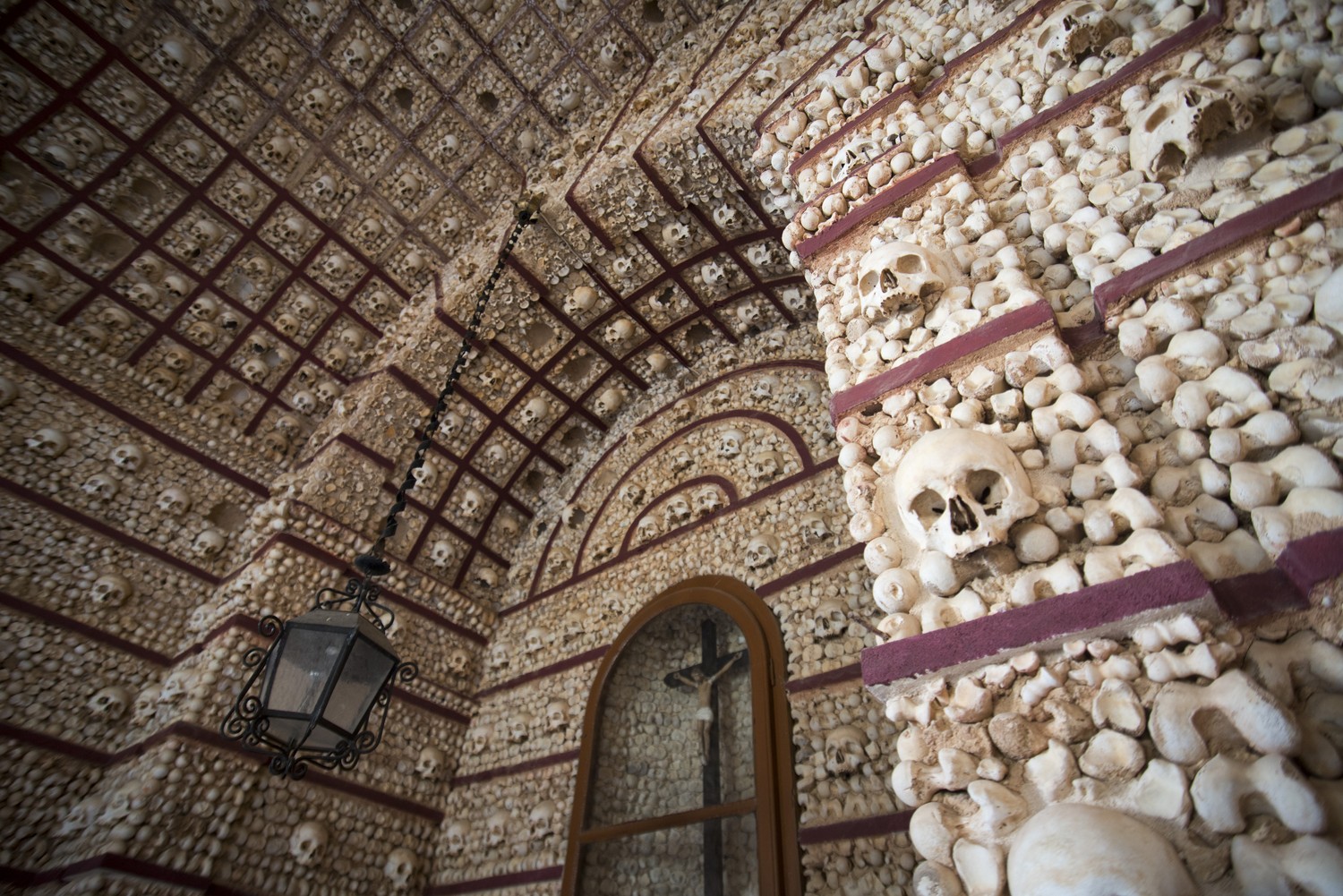
Photo: The Capela dos Ossos in the Igreja do Carmo in Faro.
One of the most impressive sights in Faro is the Igreja do Carmo with its small Capela dos Ossos. The Baroque church is situated just outside the old town and, from the outside, appears rather classical at first glance – yet its inner courtyard conceals one of the most unusual chapels in the Algarve.
The Capela dos Ossos is decorated with the bones and skulls of former monks and serves as a unique reminder of the transience of life. Although the place may sound somewhat macabre, it is historically fascinating and architecturally worth seeing. For a city break to Faro, the Igreja do Carmo is therefore a short but very special stop-off.
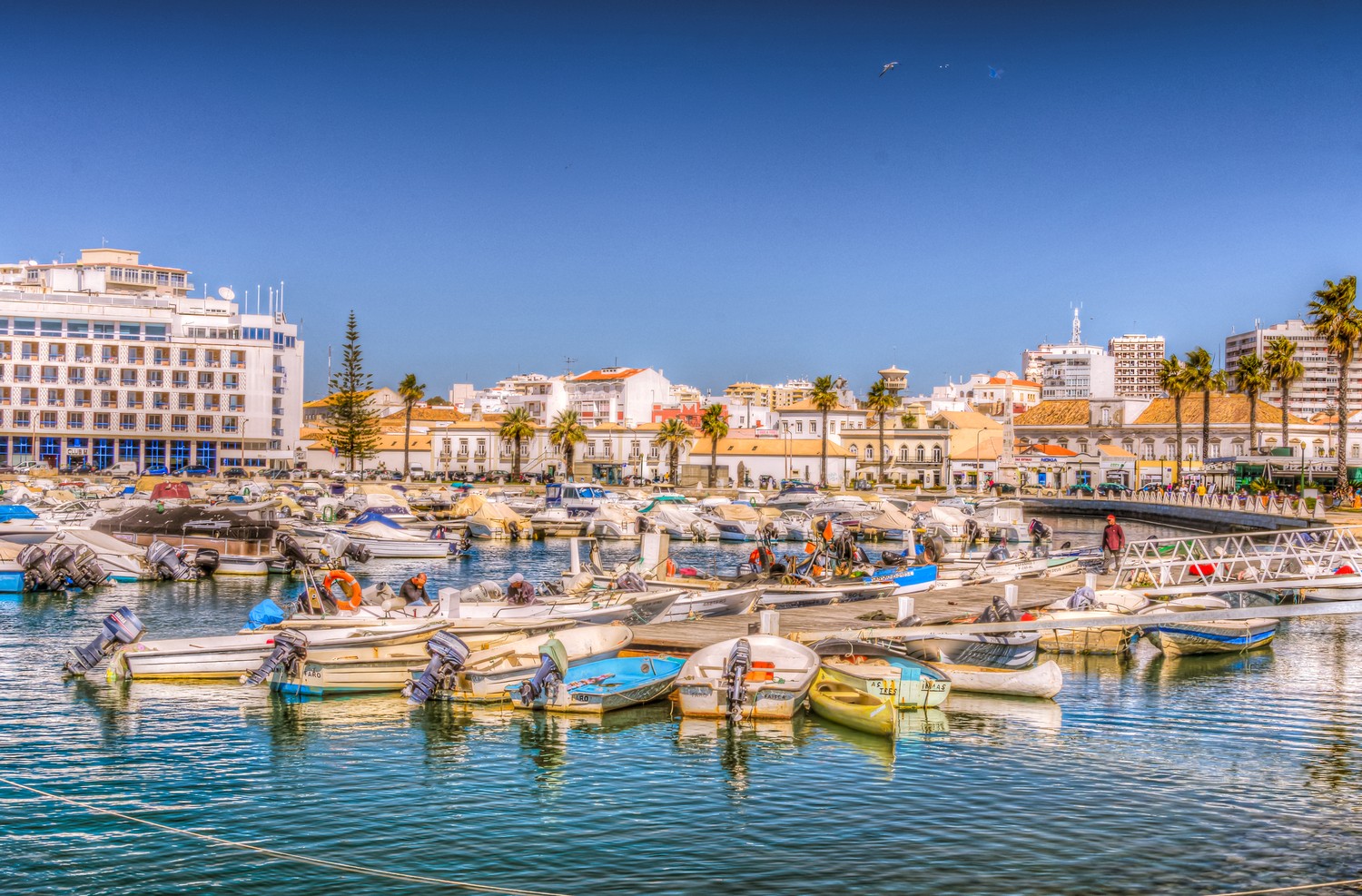
Photo: Faro Marina with its iconic view of boats, water and the charm of the old town.
Marina de Faro is one of the most beautiful places to wind down at the end of the day. Situated right on the waterfront, it connects the old town with the Ria Formosa and is perfect for a short stroll, a coffee break or an aperitif whilst admiring the boats. There are plenty of cafés, restaurants and bars around the marina where you can take a break during the day or start the evening in a cosy atmosphere. This is also where you’ll find the popular ‘I Love Faro’ sign – a classic photo spot that’s almost a must-see on any city break.
If you’d like to explore Faro at your leisure, you can also hop on the little tourist train near the marina – a relaxed way to get a first glimpse of the city.
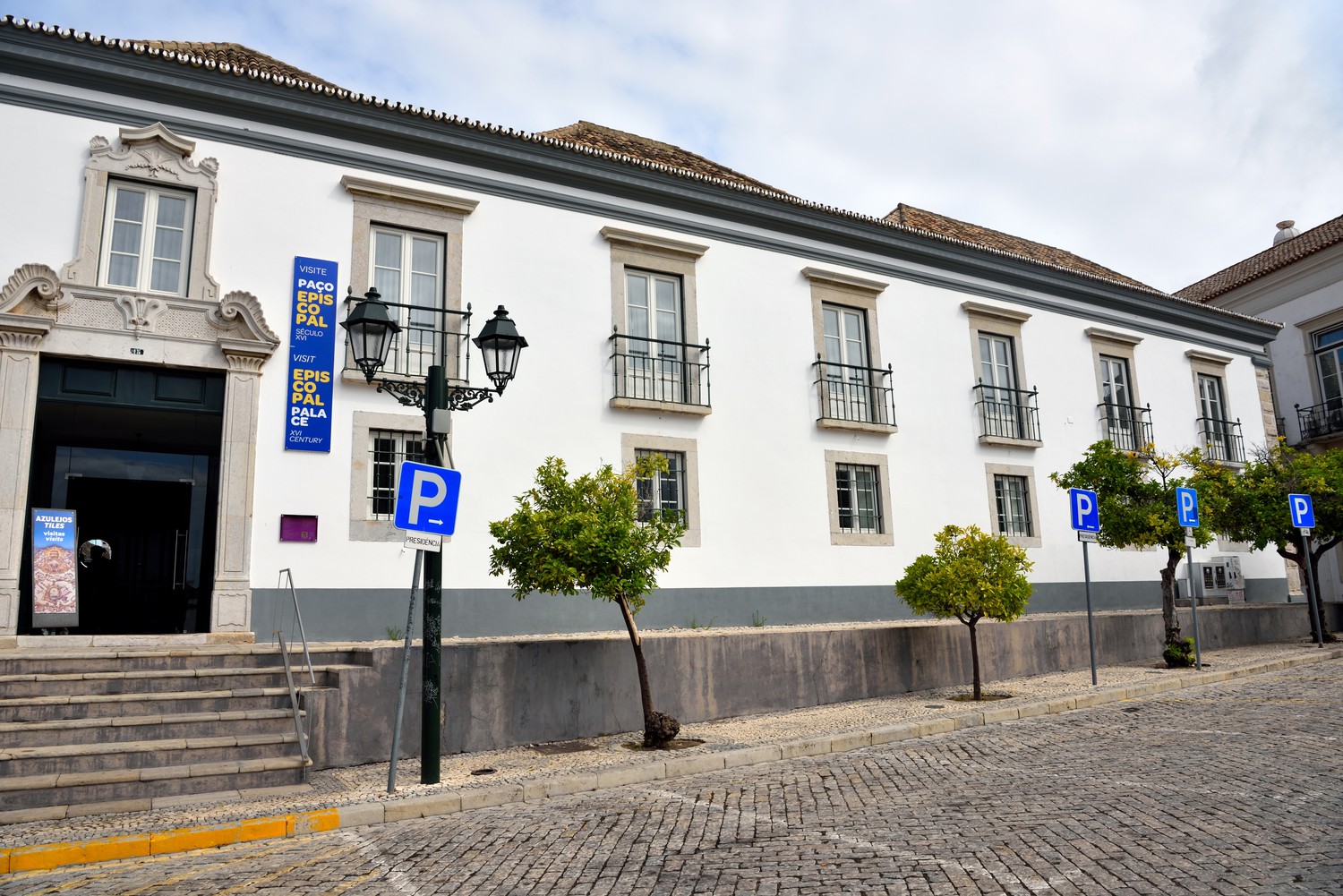
Photo: Episcopal Palace and Museum: historic bishop’s palace dating from 1585.
Anyone wishing to explore Faro’s cultural side will find a number of interesting museums in the city. Particularly worth a visit is the Museu Municipal de Faro, housed in a former monastery in the old town – featuring Roman mosaics, religious art and artefacts from the region’s history.
Also well worth a visit are the Museu Regional do Algarve, which offers insights into the traditions, crafts and everyday life of the Algarve, and the Museu Marítimo Almirante Ramalho Ortigão, which highlights Faro’s close ties to the sea, fishing and the coast. The Episcopal Palace and Museum near Largo da Sé is also well worth a visit for anyone interested in religious art, historic interiors and the city’s religious heritage. As well as traditional museums, it’s also worth exploring the city’s small, creative gallery scene. These include the Galería de Arte Trem, Artadentro, Galeria Raiz D’Arte and Gama Rama, an art gallery and shop featuring particularly beautiful illustrations, paintings, jewellery and ceramics by Portuguese artists. This makes a stroll through Faro a great way to combine art, design and local discoveries.
Photo: Columbus Culinary Bar, Faro.
Faro is also a wonderful culinary destination for anyone who enjoys unpretentious, fresh food in a great atmosphere. Amidst the old town’s narrow streets, small squares and modern restaurants, the Algarve reveals its most delightful side – with fresh fish, seafood, petiscos, creative cuisine and a surprisingly wide range of unique spots.
Our personal restaurant recommendations in Faro range from modern Algarve cuisine to relaxed favourites for the evening: ATO Restaurante and Alameda are lovely options for creative cuisine with a regional twist. If you prefer local and authentic fare, be sure to visit Se7e Pedras or the Old Tavern. Escama is well worth a visit for fresh fish, whilst 8Tapas comes highly recommended, particularly for its seafood pasta. Also worth checking out are Aperitivo Faro, Los Locos Restaurant and Forno Nero for authentic Italian cuisine. If you’re looking for vegan options, Outro Lado is a special spot that offers a plant-based take on Portuguese cuisine.
Faro also offers lovely spots for a pre-dinner drink or an atmospheric way to round off the day. Our personal bar recommendations are the Columbus Culinary Bar for great pre-dinner drinks, the LAB Terrace and the Cidade Velha Rooftop. Especially at sunset, Faro can be experienced in a whole new light from above – with a view over the rooftops, an aperitif in hand and plenty of Algarve atmosphere.
Video: Festival F, Aftermovie
In 2026, Faro will once again offer a wonderful mix of culture, music, city festivals and special events. On 23 May 2026, the Faro International Videomapping Festival will bring digital light art to the historic city centre – an exciting fusion of architecture, creativity and the city’s history.
In the summer, the Concentração Motard de Faro, running from 16 to 19 July 2026, is one of the region’s best-known events – featuring music, a festival atmosphere and an international crowd. Also well worth a visit is Festival F, which traditionally takes place in Faro’s historic centre and brings together Portuguese music, culture and cuisine. Trips to events in the surrounding area are also well worth it, such as the MED Festival in Loulé at the end of June or regional markets and festivals in Olhão, Tavira and Loulé.
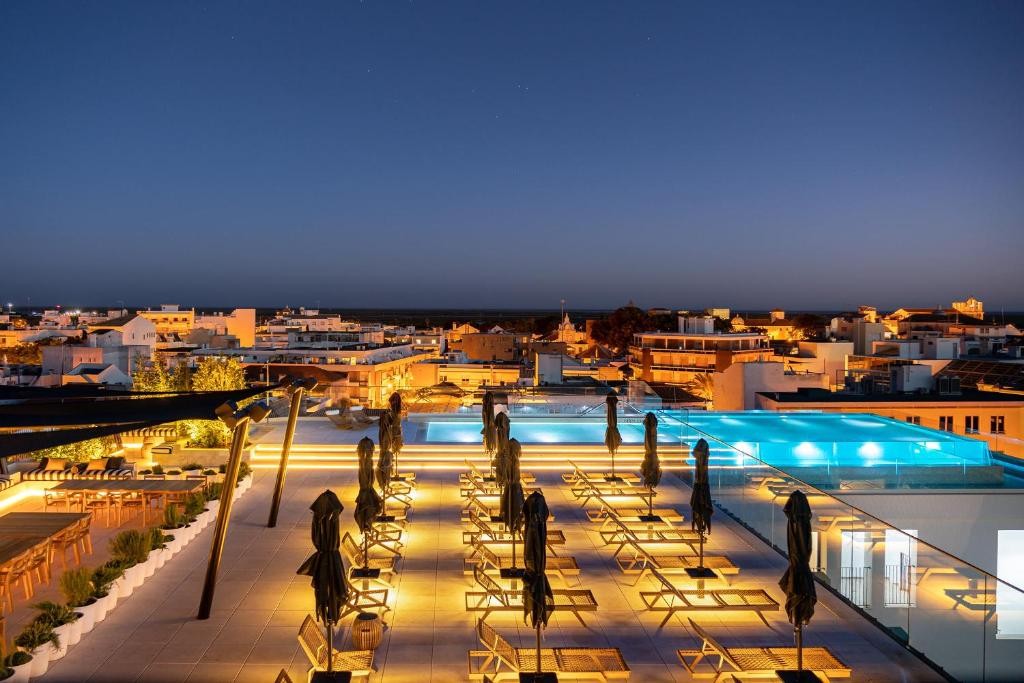
Photo: 3HB Faro Hotel
Faro is not just a noisy holiday resort, but a pleasant city for anyone who wants to experience Portugal at a more leisurely pace. With its old town, the Ria Formosa, island beaches and good food, it offers a city break that elegantly combines culture, nature and a variety of attractions. Faro is a particularly appealing choice for a long weekend from Switzerland – sunny, compact and surprisingly diverse.

© Swiss Bankers 2026


 Compare cards and conditions

