


Important information:
Am 10. April 2024 wurden das Kundenportal sowie der Web-Zugriff auf das Kartenkonto eingestellt. Bitte laden Sie die Swiss Bankers App herunter, um weiterhin uneingeschränkten Zugriff auf alle Dienste zu haben.
Are you a Swiss Bankers sales partner?
Hier geht es zum Partnerportal.
Europe’s most beautiful cycle routes combine stunning landscapes with active recreation and unique travel experiences. Whether along major rivers, around lakes, through wine-growing regions or from the Alps to the sea: Europe’s cycle routes are as diverse as the continent itself. These 10 routes are among the most beautiful cycle routes in Europe and will have you looking forward to your next cycling trip.
 05.04.2026
 Miryana
Contents:
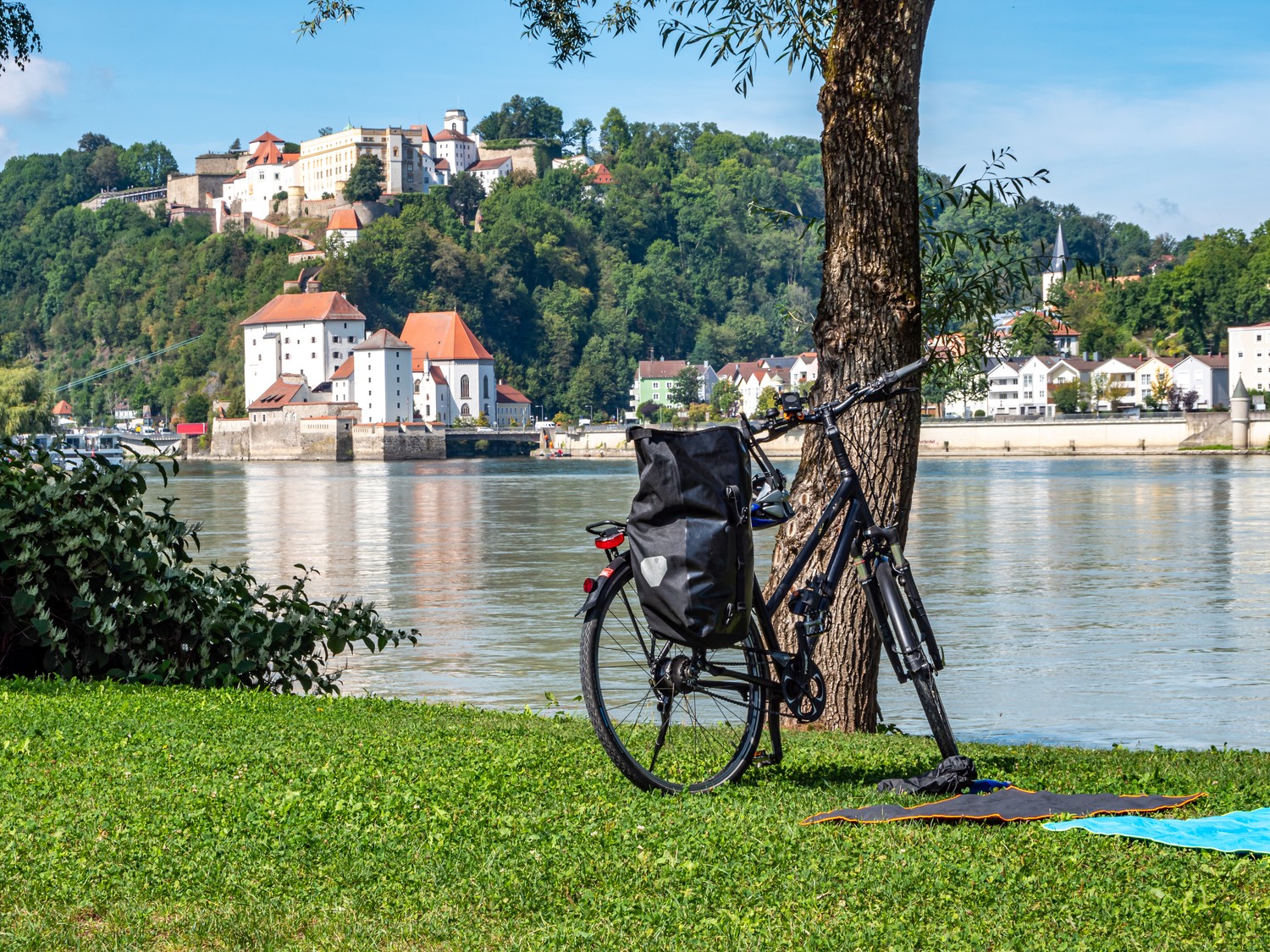
Photo: Out and about on the Danube Cycle Route near Passau in Bavaria.
The Danube Cycle Route is one of the best-known and most beautiful cycle routes in Europe. The section between Passau and Vienna is particularly popular and ideal for anyone looking for a varied cycling holiday combining nature, culture and easily plannable stages. The route winds through idyllic floodplains, past vineyards, small towns along the Danube and historic cities. Highlights include the Wachau UNESCO World Heritage region, Linz, Passau and Vienna. It is precisely this blend of scenery, culture and good infrastructure that makes the Danube Cycle Route a classic choice for relaxed multi-day tours – including those on e-bikes.
The Alpe-Adria Cycle Route is one of the most impressive cycle routes in Europe. It runs from Salzburg to Grado on the Adriatic coast, combining Alpine landscapes, idyllic valleys and Italian coastal charm in a particularly varied way. It is precisely this contrast that makes the route so appealing: first mountains and clear lakes, then a Mediterranean atmosphere by the sea.
The route takes you through the Salzburg region, through Carinthia and on to Italy. Parts of the route follow former railway lines and pass through tunnels, making the journey across the Alps much more pleasant.
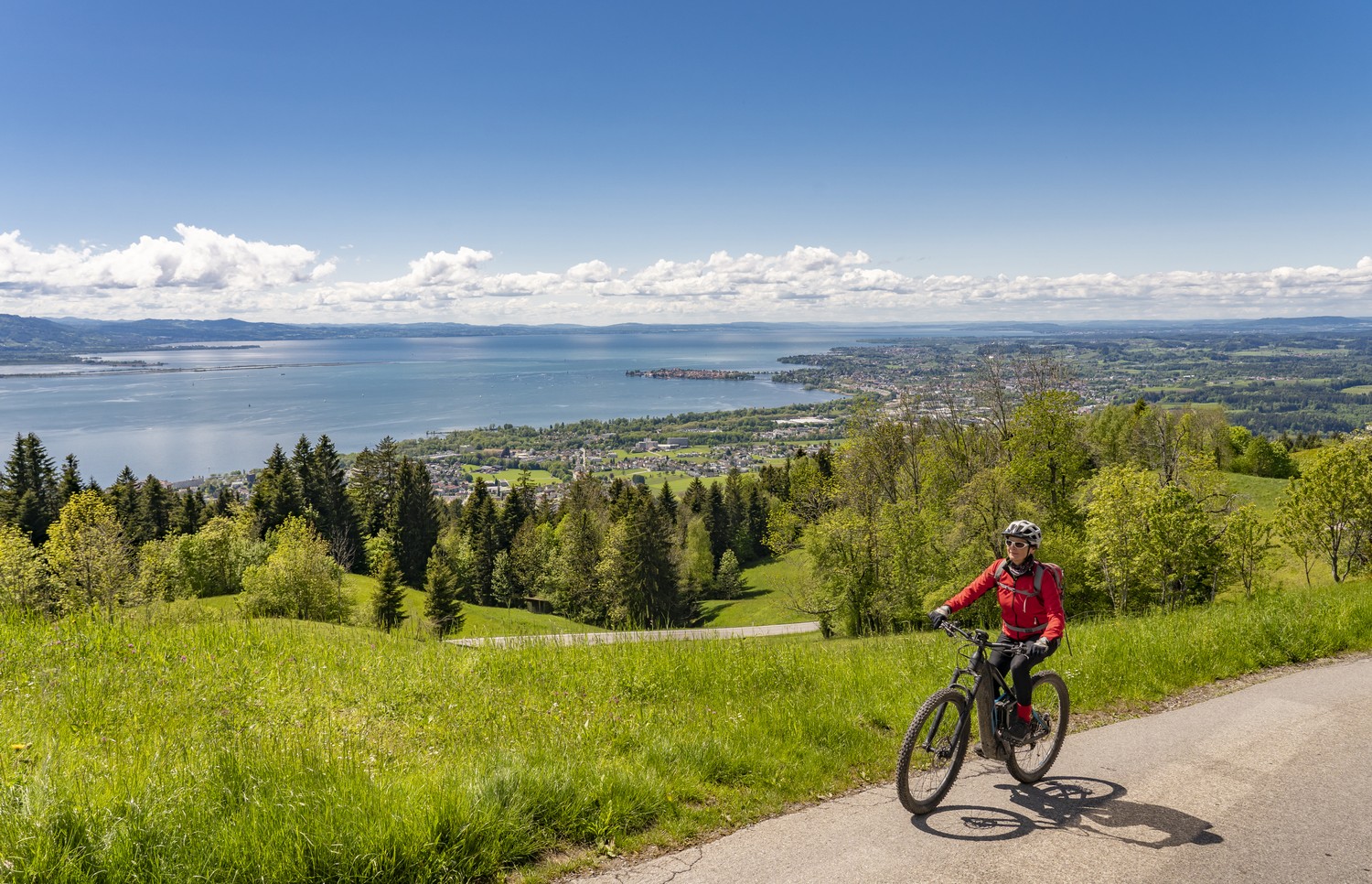
Photo: Enjoying an active day out on Lake Constance and taking in the sweeping views across the lake.
The Lake Constance Cycle Route is particularly ideal for leisurely stages. The route circles Lake Constance through Germany, Austria and Switzerland, combining panoramic lake views, charming towns and a pleasantly relaxed route. It is above all the variety of lake views, promenades, old towns and Alpine scenery that makes this cycle tour so appealing.
Along the way, highlights include Konstanz, the historic island of Lindau, Bregenz, the medieval town of Stein am Rhein and, time and again, beautiful stretches of lakeside with views of the lake. It is usually recommended to cycle the route in a clockwise direction so that the lake views can be fully appreciated.
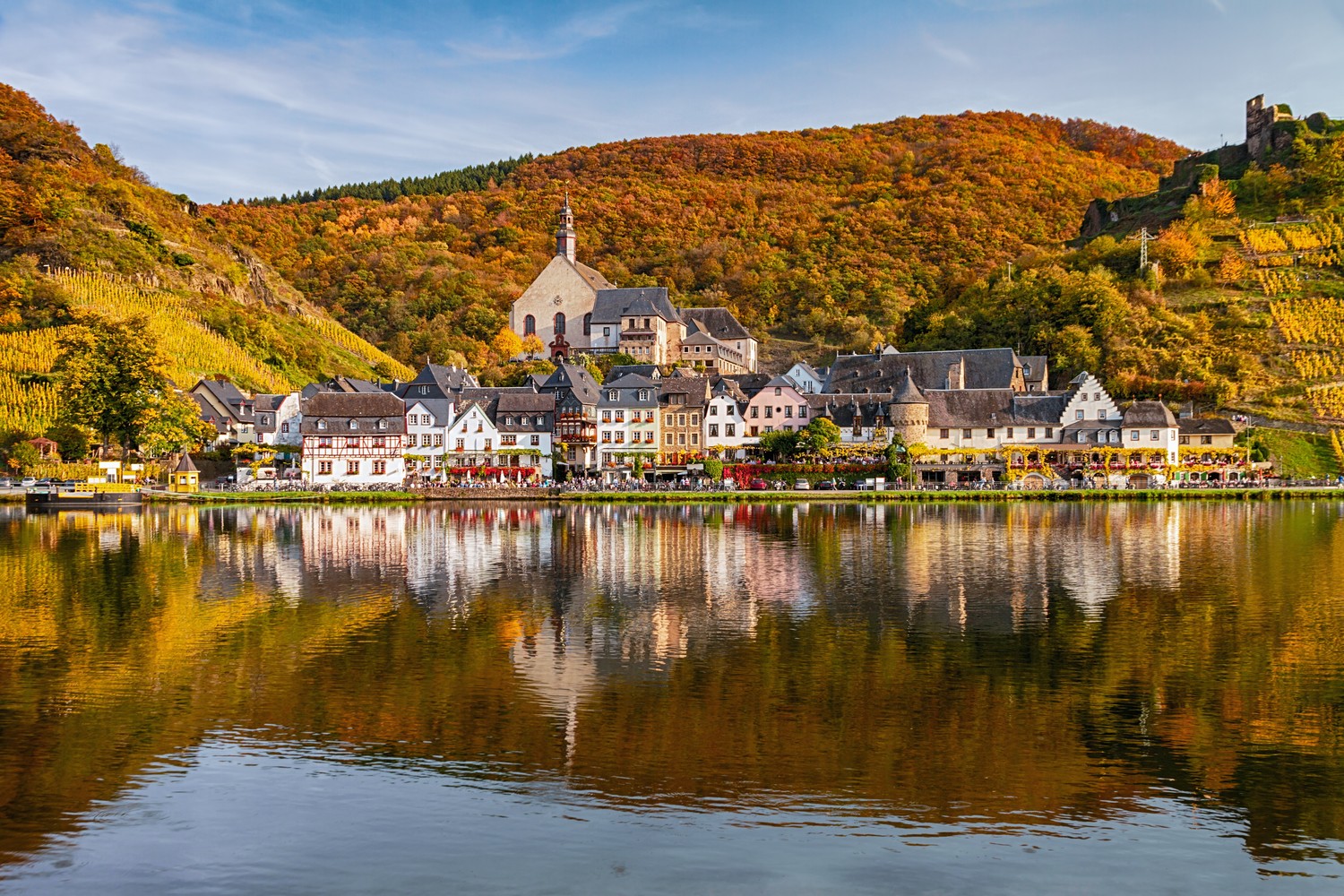
Photo: Beilstein is one of the most beautiful and atmospheric places along the Moselle Cycle Route.
The Moselle Cycle Route is ideal for anyone looking to travel at a leisurely pace whilst enjoying the scenery, cuisine and culture along the way. The route follows the many bends of the Moselle through one of Europe’s most famous wine regions, passing steep vineyard slopes, charming wine-growing villages and historic towns. For the most part, the route runs close to the river and is largely flat, making it particularly pleasant for leisurely multi-day tours. It is precisely this mix of wine-growing landscapes, historic towns and a relaxed route that makes the Moselle Cycle Route so popular.
Video: Cycling along the Elbe Cycle Route between Magdeburg and Bad Schandau.
The Elbe Cycle Route is one of Europe’s best-known long-distance cycle routes, offering a particularly varied blend of nature, culture and leisurely stages. The route runs from the source of the Elbe in the Giant Mountains through the Czech Republic and Germany to the North Sea. Along the way, wine-growing regions, historic towns, wide river floodplains and peaceful stretches of riverbank alternate – ideal for anyone looking for a varied cycling trip with a mostly gentle route profile.
Among the most beautiful highlights are Prague via the Vltava detour, Dresden, the rocky landscapes of Saxon Switzerland, Magdeburg, Hamburg and, finally, the coastal atmosphere as you head towards Cuxhaven.
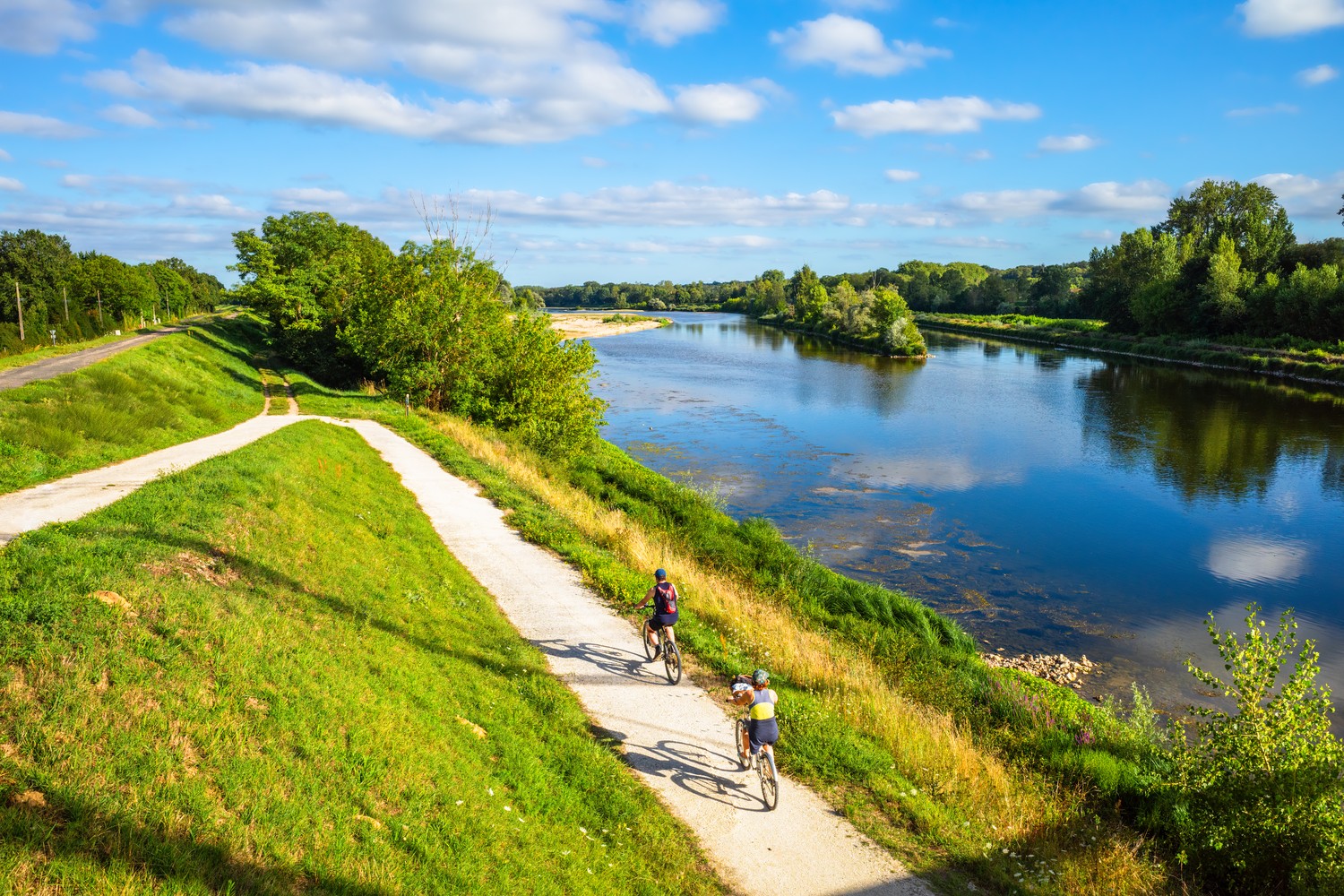
Photo: Cycling along the Loire: exploring France’s beautiful river landscapes.
The Loire Cycle Route combines nature, culture and enjoyment in a particularly harmonious way. The route follows the Loire through one of France’s most charming regions – past castles, vineyards, historic towns and expansive river landscapes. It is precisely this mix that makes it ideal for anyone who wants to travel at a leisurely pace whilst seeing plenty along the way. Highlights include famous Loire castles such as Chambord, Blois, Amboise and Chenonceau, as well as charming villages, gardens and many beautiful stretches right by the water’s edge. The route is well-developed and is particularly suited to leisurely multi-day tours with plenty of French flair.
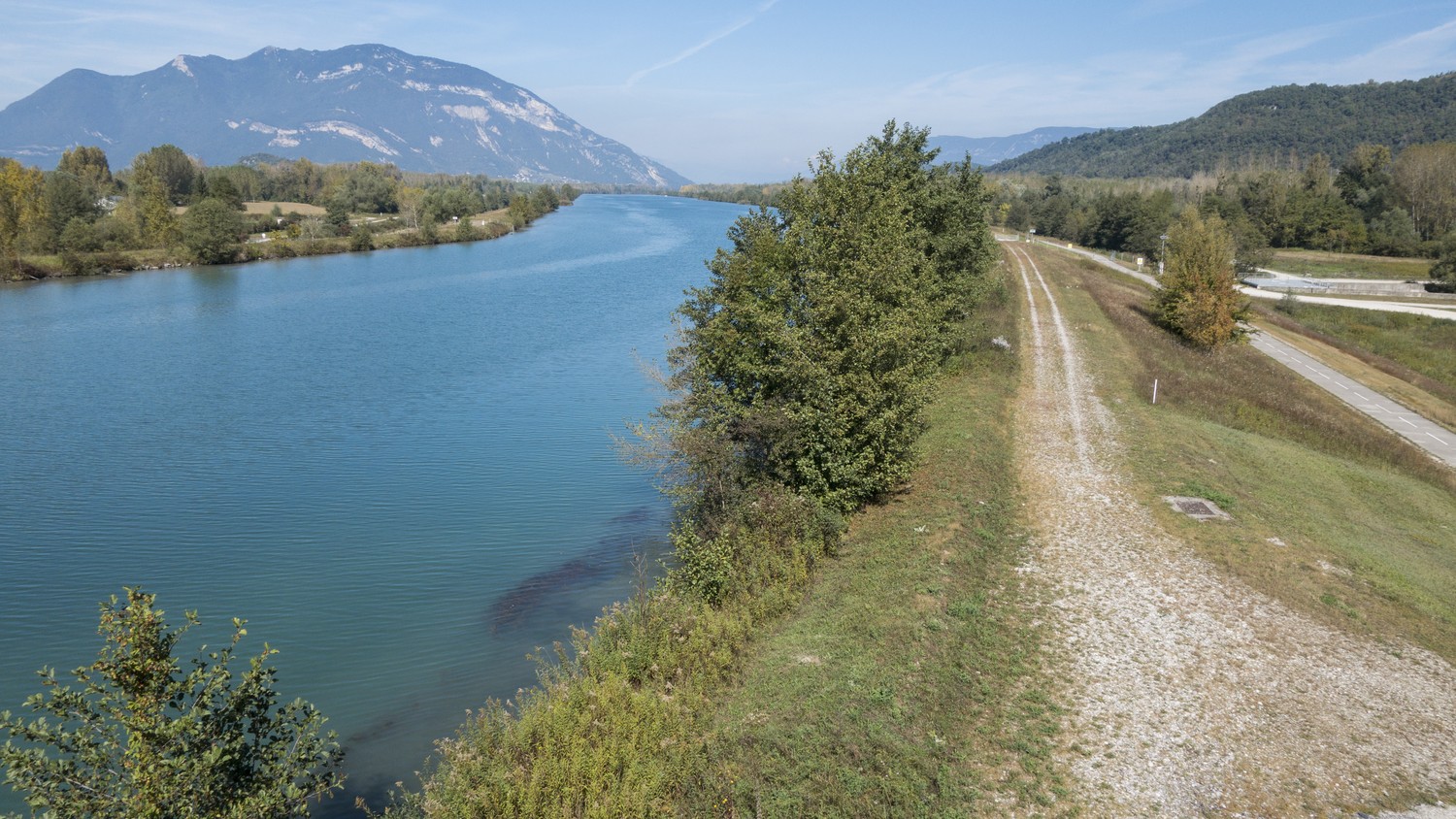
Photo: The ViaRhôna: a varied cycling tour from Lake Geneva to the Mediterranean.
The ViaRhôna offers a particularly enchanting blend of Alpine panoramas, wine-growing regions, historic towns and the atmosphere of the Mediterranean coast. The route runs from Lake Geneva to the Mediterranean, following the course of the Rhône through some of France’s most varied landscapes. It is precisely this combination of nature, enjoyment and a clear itinerary that makes it so special. Along the way, you’ll find lakeshores, wine regions, charming villages and cultural highlights such as Lyon, Avignon and the landscapes of the Camargue.
Video: The Rhine Cycle Route: a varied cycling holiday to suit every style of travel.
The Rhine Cycle Route is one of Europe’s best-known river routes, offering a particularly varied journey through Alpine landscapes, wine-growing regions, historic towns and long stretches of river all the way to the North Sea. The route follows the Rhine from its source in the Swiss Alps to its mouth in the Netherlands, passing through four countries along the way. Along the way, a wide variety of landscapes and stages await: alpine scenery in Switzerland, the wine regions and castles of the Middle Rhine, vibrant cities such as Basel, Strasbourg, Cologne and Rotterdam, and the vast river landscapes of the Dutch Delta. This makes the route suitable both for longer long-distance cycling trips and for individual, particularly scenic sections.
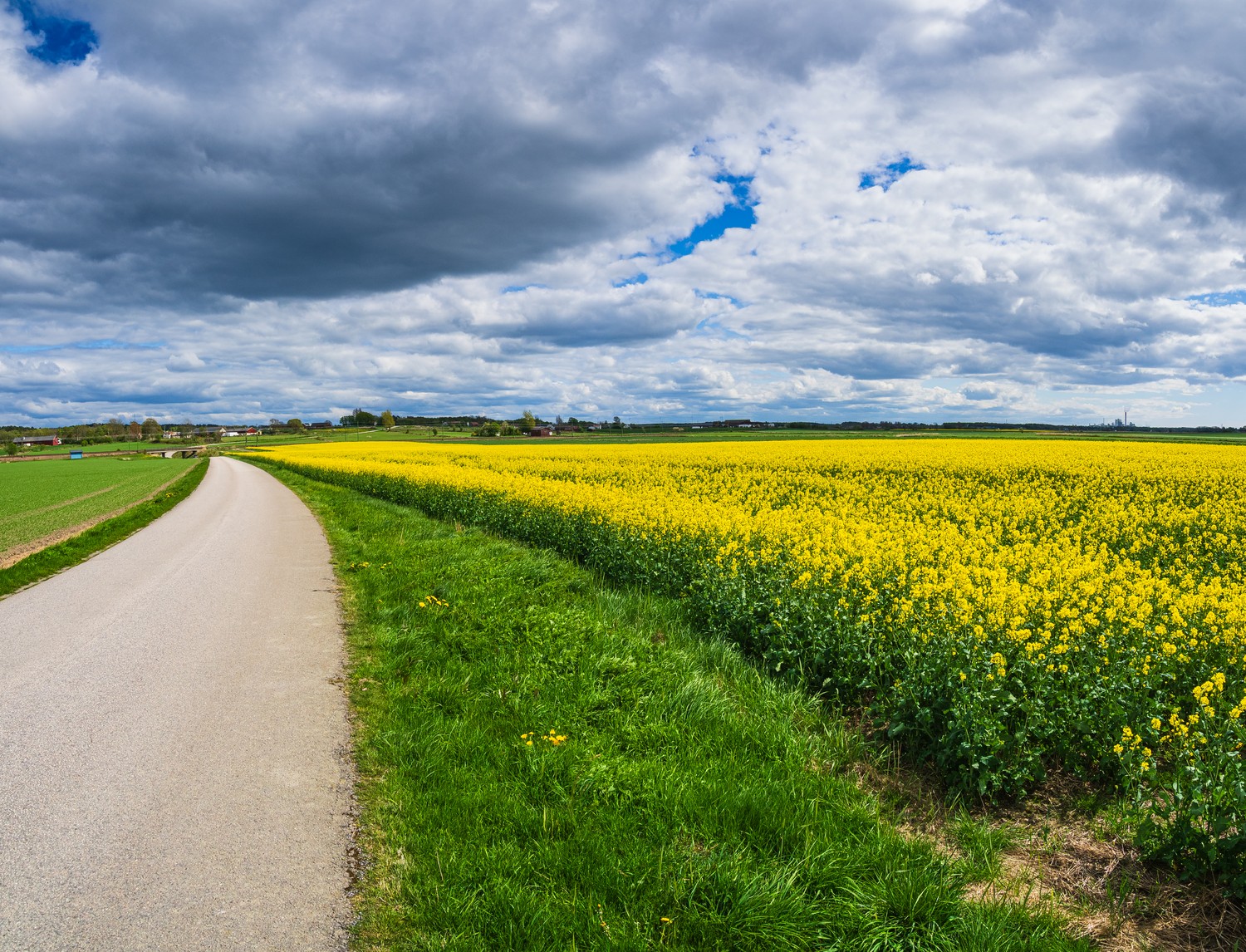
Photo: Glowing rapeseed fields along the Kattegattleden: a springtime atmosphere on Sweden’s most beautiful coastal route
The Kattegattleden brings a different kind of landscape to this list: instead of river valleys and wine regions, here you’ll find coastal towns, beaches, dunes, cliffs and the vastness of the Scandinavian landscape. The route runs along Sweden’s west coast from Helsingborg to Gothenburg and is regarded as Sweden’s first national cycle route. It is precisely this blend of sea views, leisurely stages and Nordic charm that makes it a particularly appealing cycling trip.
Along the way, the Kattegattleden passes through small seaside resorts, nature reserves, harbour towns and open coastal landscapes. Particularly lovely are the long stretches of beach, the peaceful paths close to the water and the many opportunities to take a break in cafés, fish restaurants or small coastal villages. The route is divided into eight sections and is well suited to anyone looking for a relaxed cycling trip through stunning countryside.
Video: Camino del Cid
The Camino del Cid is the most exotic highlight on this list and ideal for anyone who wants to discover Spain in a different way. The route follows in the footsteps of the legendary figure El Cid through little-known regions, historic sites and vast inland landscapes, heading towards the Mediterranean. It is precisely this blend of history, tranquillity and unspoilt landscapes that makes the Camino del Cid a particularly exciting cycling journey.
Unlike many classic river or lakeside routes, the Camino del Cid is not a single, compact cycle path, but an entire network of routes for cycle travellers. The Camino del Cid can be planned with great flexibility – from individual stages to a grand tour of Spain. The quiet side roads, rural regions and cultural depth of the route are particularly appealing.
Whether along major rivers, around lakes, through wine-growing regions, along the coast or across stunning landscapes: Europe’s most beautiful cycle routes demonstrate just how varied cycling holidays can be. From relaxed classics such as the Danube or Lake Constance cycle routes to more distinctive routes such as the Kattegattleden or the Camino del Cid, there is a suitable route for almost every style of travel. Anyone wishing to combine nature, exercise and new experiences will discover Europe by bike in a particularly immersive and unhurried way.

© Swiss Bankers 2026


 Compare cards and conditions

