


Important information:
Am 10. April 2024 wurden das Kundenportal sowie der Web-Zugriff auf das Kartenkonto eingestellt. Bitte laden Sie die Swiss Bankers App herunter, um weiterhin uneingeschränkten Zugriff auf alle Dienste zu haben.
Are you a Swiss Bankers sales partner?
Hier geht es zum Partnerportal.
Toulouse glows a warm shade of pink when the sun shines on the brick façades of the old town. Situated between the Garonne and the Canal du Midi, this southern French metropolis combines Romanesque churches and Renaissance palaces with lively markets, contemporary art and space exploration. These Toulouse attractions, neighbourhoods and places to enjoy make for a varied city break in the ‘Ville Rose’.
 11.09.2026
 Eliza
Contents:
- The most beautiful neighbourhoods in Toulouse: from the Capitole to Saint-Cyprien
- Sights in Toulouse: brick, art and history
- Insider tips in Toulouse: Hidden gems between art and canals
- Things to do in Toulouse: Space exploration, canals and excursions into the surrounding countryside
- Cuisine in Toulouse: Lively markets, cassoulet and sweet violets
- Hotels in Toulouse: Historic buildings blending elegance and design
- The best time to visit Toulouse: from spring sunshine to autumn light
- Getting there and getting around in Toulouse: A relaxed tour of the ‘Ville Rose’
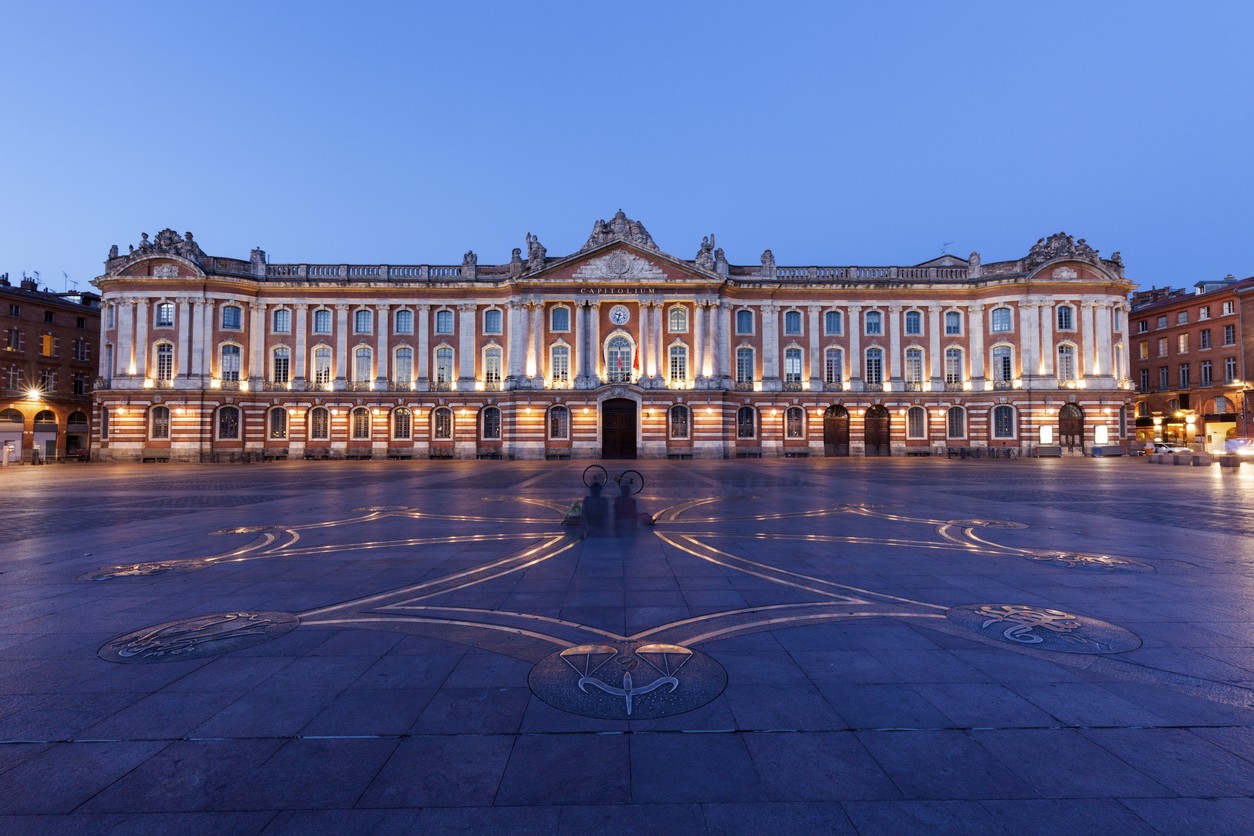
Photo: The Place du Capitole is at the heart of Toulouse’s prestigious city centre.
In south-western France, in the Occitanie region, Toulouse lies on the Garonne between the Atlantic, the Mediterranean and the Pyrenees. The city is large enough to have neighbourhoods with their own distinct character, yet compact enough to explore many of them on foot. The atmosphere often changes after just a few blocks.
Capitole and the historic centre: The Place du Capitole is the city’s prestigious heart. From here, small squares and the Rue du Taur lead to numerous sights.
Carmes: Around the covered Marché des Carmes, colourful façades give way to wine bars, delicatessens and small restaurants. The Rue des Filatiers and the alleyways leading towards Notre-Dame de la Dalbade are particularly atmospheric.
Saint-Étienne: Former city mansions, antique shops and the distinctive cathedral characterise this elegant, pleasantly quiet neighbourhood.
Saint-Cyprien: On the left bank of the Garonne, Saint-Cyprien combines a cosmopolitan lifestyle with art and waterside spaces. Here you’ll find Les Abattoirs and Port Viguerie, with its beautiful view of the ‘Ville Rose’.
Saint-Aubin and La Colombette: Small cafés, independent shops and the Sunday market lend the area an almost village-like character. The Canal du Midi is just a few steps away.
For a first visit, Capitole or Carmes are particularly convenient, as many routes start right on the hotel’s doorstep. Saint-Cyprien and Saint-Aubin feel more steeped in the city’s everyday life and are ideal for anyone who prefers to start their morning in a neighbourhood café rather than on a large square.
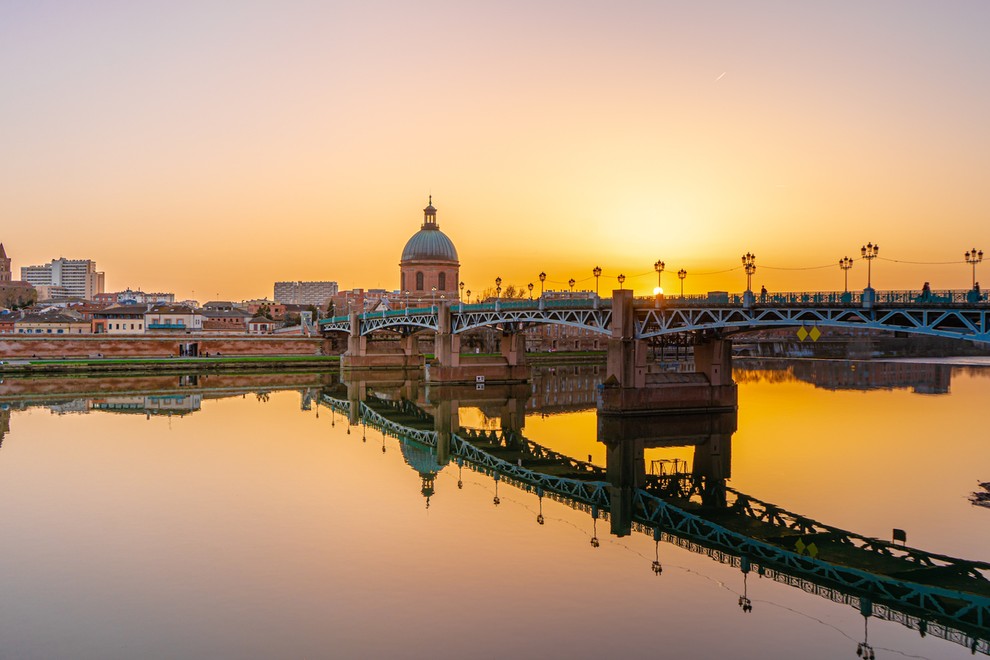
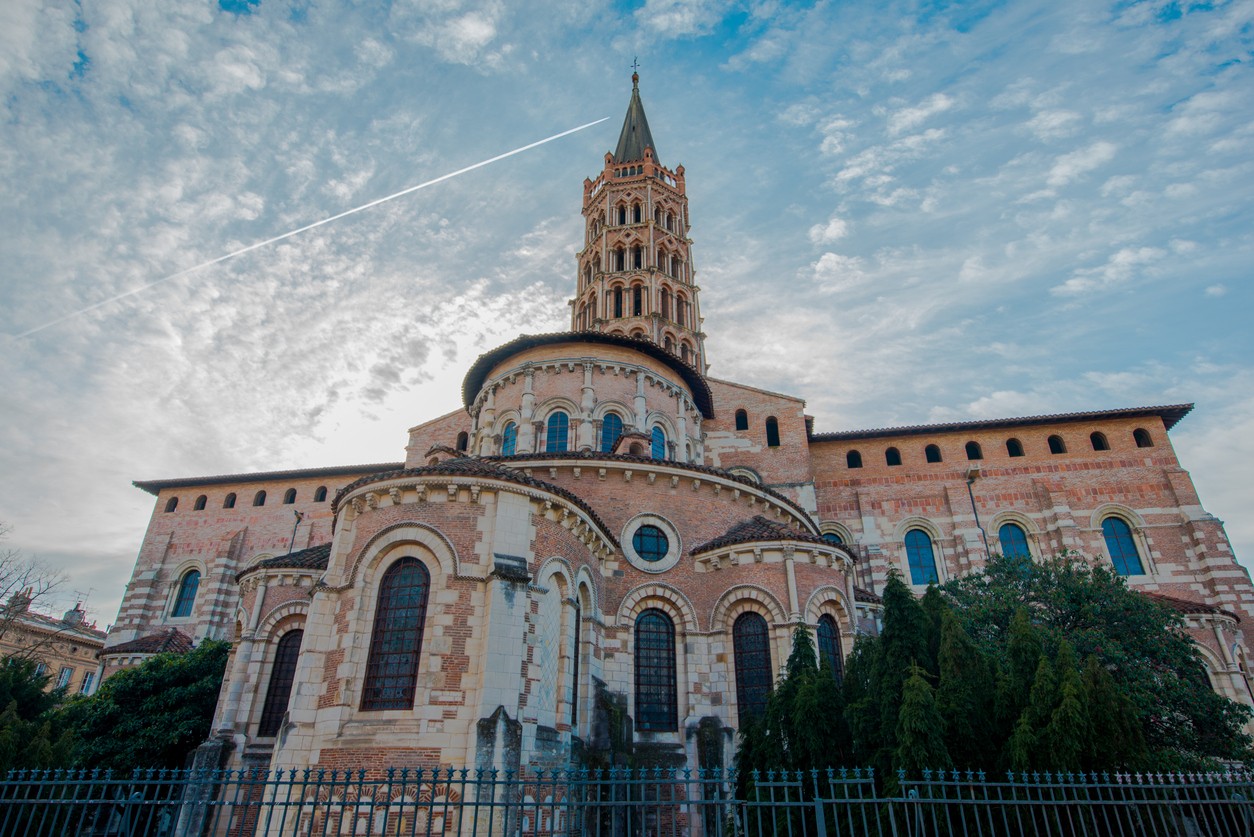
Photo: The imposing brick structure of the Basilica of Saint-Sernin is one of the largest Romanesque churches in Europe.
Toulouse’s main attractions are all close together and tell the story of pilgrimage routes, wealthy pastel merchants (who once ran a thriving trade in the blue plant-based dye) and centuries-old brick architecture. You should still allow at least two days to explore their interiors, museums and to take a break by the Garonne.
The most beautiful sights in Toulouse:
Place du Capitole: The Capitole houses the town hall and the opera house. If there are no events taking place, it’s well worth taking a look inside the richly decorated Salle des Illustres.
Basilica of Saint-Sernin: This imposing brick building is one of the largest Romanesque churches in Europe. As part of the French Way of St James, the basilica is a UNESCO World Heritage Site.
Couvent des Jacobins: In the former Dominican monastery, 22 rib vaults fan out from a single column. The famous ‘Palmier des Jacobins’ and the tranquil cloister form a striking contrast.
The banks of the Garonne and the Pont Neuf: Between the Quai de la Daurade and the Prairie des Filtres, Toulouse is at its most atmospheric. In the late afternoon, the façades and the dome of the Chapelle Saint-Joseph de la Grave glow in warm hues.
Hôtel d’Assézat: This Renaissance palace is a reminder of the wealth generated by the pastel trade. Today, the Bemberg Collection is housed here, showcasing European art from the Renaissance to the early 20th century.
Musée des Augustins: Romanesque sculptures, paintings and a Gothic cloister characterise this art museum, housed in a former monastery. Following several years of renovation, the complex is once again open to the public.
Canal du Midi: This UNESCO-listed waterway connects Toulouse with the Mediterranean. In the city centre, it can be explored along shaded riverside paths and past old locks.
As several cultural venues may be closed on Mondays, it’s worth checking the current opening times in advance. Combining visits to churches and museums with walks along the water’s edge offers a particularly varied experience of this historic city.
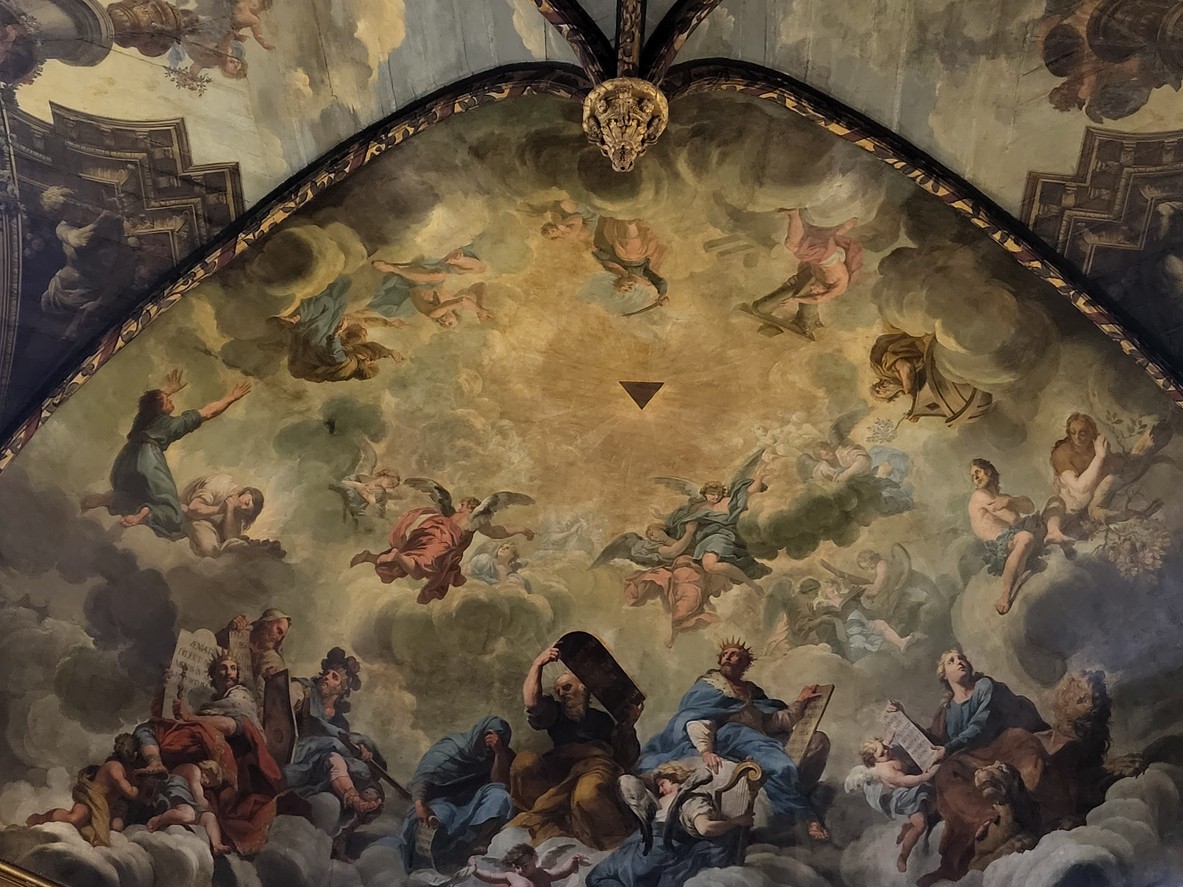
Photo: Behind the unassuming façade of the Chapelle des Carmélites lies a vibrantly coloured interior with walls entirely covered in paintings and wooden vaults.
Some of the most charming spots are just a stone’s throw from the well-known squares. Behind unassuming doors, along quiet canals and in colourful side streets, Toulouse reveals a more intimate and surprising side.
The best hidden gems in Toulouse:
Chapelle des Carmélites: Behind a simple façade lies a vibrantly coloured interior with walls entirely covered in paintings and wooden vaults. The décor was inspired by the Sistine Chapel.
Jardin japonais Pierre-Baudis: A red bridge, a pond and meticulously trimmed shrubs create a little world of its own within Parc Compans-Caffarelli, a world apart from this southern French city.
Rue Gramat: Near Arnaud-Bernard, graffiti and ever-changing murals line a narrow street. This detour can easily be combined with a visit to Saint-Sernin.
Maison de la Violette: A historic péniche on the Canal du Midi is dedicated to the city’s flower. On board, you can enjoy candied violets, tea and other specialities.
Canal de Brienne: This short canal linking to the Garonne is considerably quieter than the Canal du Midi. The walk from the Écluse Saint-Pierre towards Port de l’Embouchure is particularly lovely.
The chapel and the péniche have limited opening hours in some cases, which you should check before your visit. Don’t treat these discoveries as a must-see, but rather as little detours between the old town, the market and the Garonne.
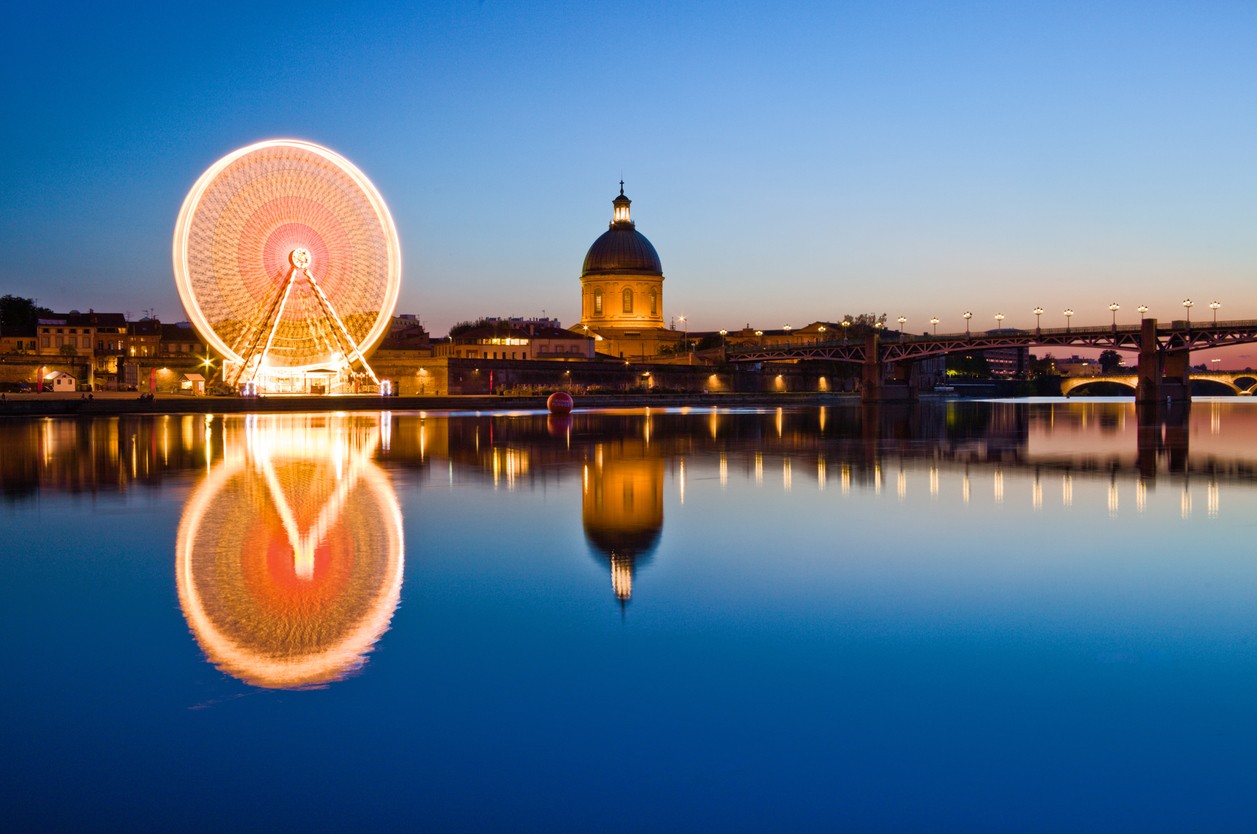
Photo: In summer, the Ferris wheel at Port Viguerie offers a special view over the Garonne and the rooftops of the ‘Ville Rose’.
Aviation, space exploration and fantastical mechanical creations showcase the city’s modern, inventive side. Those who prefer to be out and about will find paths along the water, ever-changing views of the ‘Ville Rose’ and attractive destinations in Occitanie for a day trip.
Cité de l’espace: Interactive exhibitions, a planetarium and space models bring complex topics to life. You should allow at least half a day for this site, which is located outside the city centre.
Halle de La Machine: Huge machines made of wood and steel move along a former runway. The most famous creation is the 14-metre-high Minotaur, on whose back visitors can ride.
Airbus and Aeroscopia: A guided tour of Airbus offers an insight into aircraft production; in the neighbouring Aeroscopia museum, you can see the Concorde and the Super Guppy, amongst other things. The Airbus tour must be booked in advance.
The Garonne and the Canal du Midi: Seasonal boat trips take you past bridges, locks and riverside buildings. For a more active experience, try a tour on foot or by bike. In summer, the Ferris wheel at Port Viguerie also offers a special view over the Garonne and the rooftops of the ‘Ville Rose’.
Albi: The episcopal city, with its brick-built Sainte-Cécile Cathedral and the Musée Toulouse-Lautrec, can be reached by train in about an hour.
Carcassonne: Direct trains take around 40 to 60 minutes. Early in the morning or outside the summer months, you can explore the double ramparts and the narrow streets of the fortified town at a more leisurely pace.
With three to four full days, you can easily combine a visit to the historic city centre, one of the modern theme parks and a day trip. Book timed tours well in advance and leave time in between for spontaneous breaks by the water.
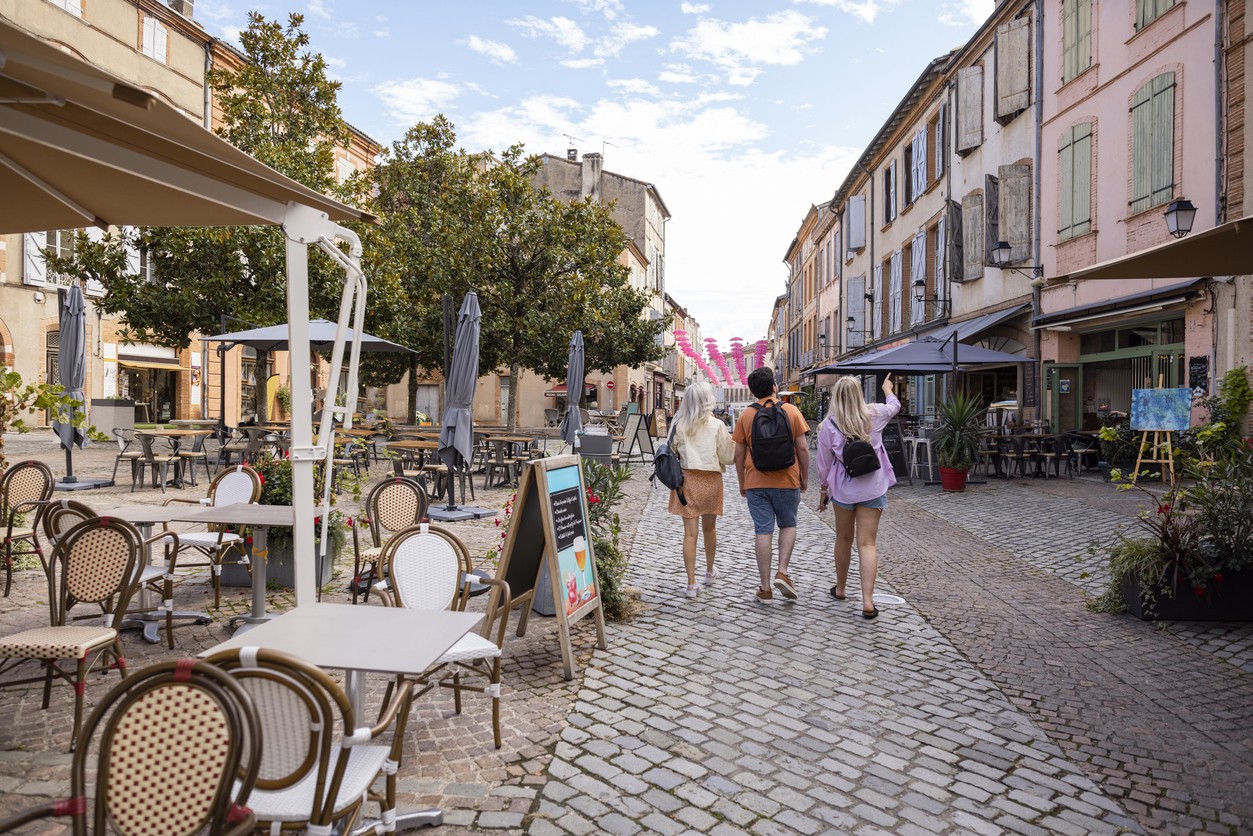
Photo: Toulouse’s cuisine is down-to-earth, flavourful and closely linked to south-west France – the city offers a wealth of places to eat, ranging from simple cafés to gourmet restaurants.
Toulouse’s cuisine is hearty, down-to-earth and closely linked to the south-west of France. Its most famous dish is cassoulet, made with white beans, duck confit and Toulouse sausage. Duck breast, foie gras and Fronton wines also feature prominently on menus, whilst the traditional Fénétra cake and candied violets add a sweet touch.
Top culinary tips in Toulouse:
Restaurant Émile: This long-established restaurant on Place Saint-Georges is renowned for its cassoulet, but also serves seasonal dishes made with regional produce.
Le May: Located at 4 Rue du May, this lively bistro offers straightforward south-western French cuisine and a pleasantly unpretentious atmosphere.
Au Pois Gourmand: Set in a characterful villa on the banks of the Garonne, this restaurant combines creative French cuisine with regional produce and a panoramic terrace overlooking the river.
Café Cerise: On the Quai de la Daurade, house-roasted speciality coffee, breakfast and brunch are complemented by views across the Garonne.
Bapz: This British-inspired salon de thé near Place Esquirol serves homemade cakes, scones, savoury tarts and an extensive brunch in a nostalgic setting.
Bookings are particularly recommended at Émile and Au Pois Gourmand at weekends. Café Cerise and Bapz can easily be incorporated into a stroll through the old town or a break by the river. If you’d also like to browse regional produce, visit the Marché Victor Hugo or the Marché des Carmes in the morning.
The range of accommodation spans from cosy, family-run townhouses to elegant five-star hotels. These five properties are all centrally located, yet each has its own distinctive character, whether through their historic ambience, design, sustainability or aviation heritage.
The most beautiful hotels in Toulouse:
La Cour des Consuls Hôtel & Spa: Two historic city palaces, elegant rooms, a spa and the restaurant Le Cénacle make this five-star hotel in Carmes a stylish choice for a weekend for two.
Boutique Hotel SOCLO: This boutique hotel, housed in an 18th-century residence, combines Toulouse architecture with British-inspired interiors. Behind it lies a leafy garden with a swimming pool.
Mama Shelter Toulouse: A dedicated cinema room pays homage to the cinema that once stood on this site. Colourful rooms, a restaurant and a rooftop terrace are ideal for travellers who like to enjoy a night out without leaving the hotel.
Hôtel Albert 1er: This independent three-star hotel near the Capitole has been family-run for three generations. Regional produce, waste reduction and the ‘Clef Verte’ award characterise its sustainable profile.
Hôtel du Grand Balcon: This historic hotel near the Capitole combines contemporary design with its Aéropostale heritage and a restored Saint-Exupéry suite.
In historic buildings, room sizes and layouts often vary considerably. You should therefore check the category you’ve chosen and, if necessary, confirm the availability of a lift and accessibility facilities. For a peaceful night’s sleep, a room facing the inner courtyard is also worth considering, particularly around the bustling squares of the old town.
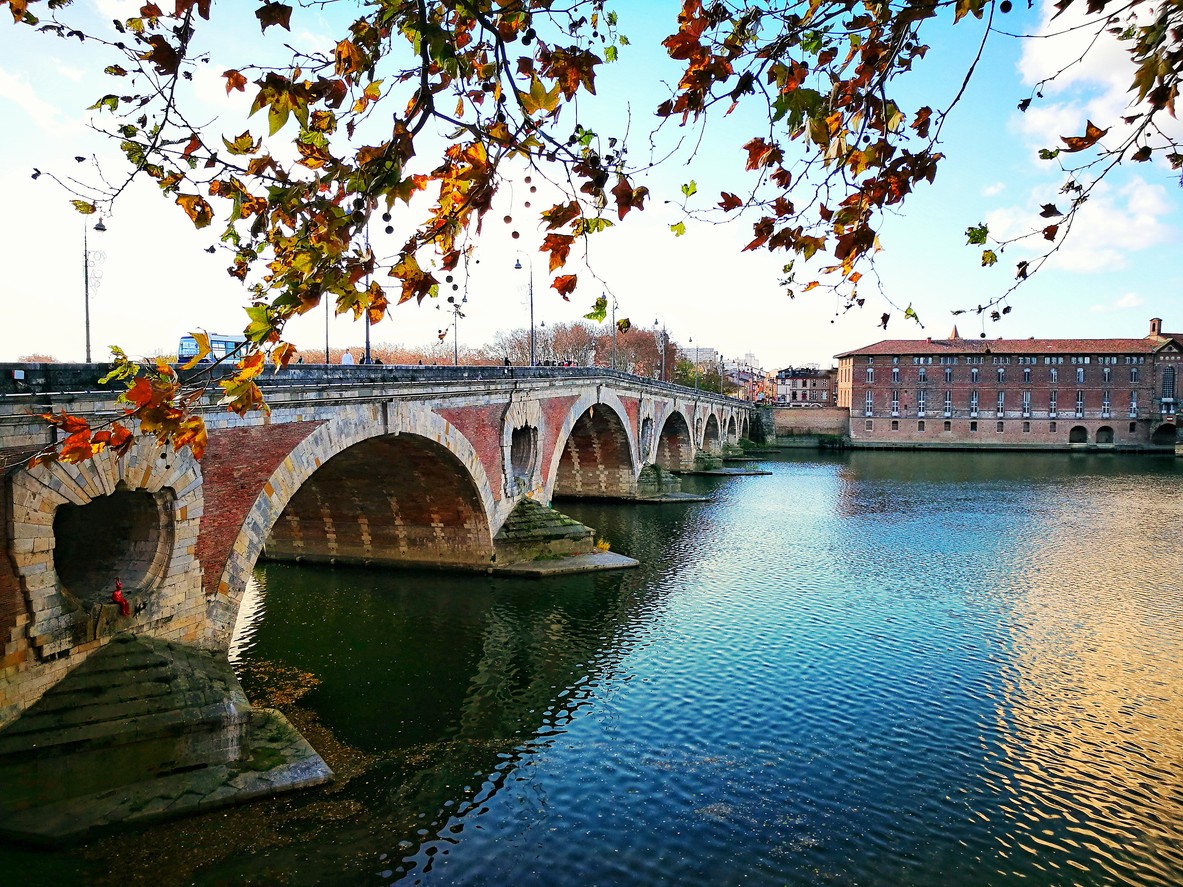
Photo: April to June and September and October are particularly pleasant months for a city break – in autumn, the softer light really brings out the beauty of the brick façades.
Toulouse is a great place to visit all year round, but the weather, light and pace of life significantly alter the city experience. Spring and autumn are generally the most pleasant seasons for long walks and day trips.
Spring: From March onwards, the days and gardens become milder, though showers are still possible. April to June are particularly well suited to walks, cycle rides and day trips.
Summer: July and August can get very hot. Sightseeing in the morning, a long lunch break and evenings by the Garonne are ideal at this time.
Autumn: September often feels like late summer and bathes the brick façades in soft light. In October, the weather becomes cooler and rainier.
Winter: Toulouse is generally milder than cities north of the Alps, though damp and windy days do occur. Museums and market halls offer ideal places to take refuge.
The most pleasant time to visit is generally between April and June, as well as in September and October. However, those who cope well with the heat or prefer the quieter off-season will also find compelling reasons to visit in the height of summer and winter.
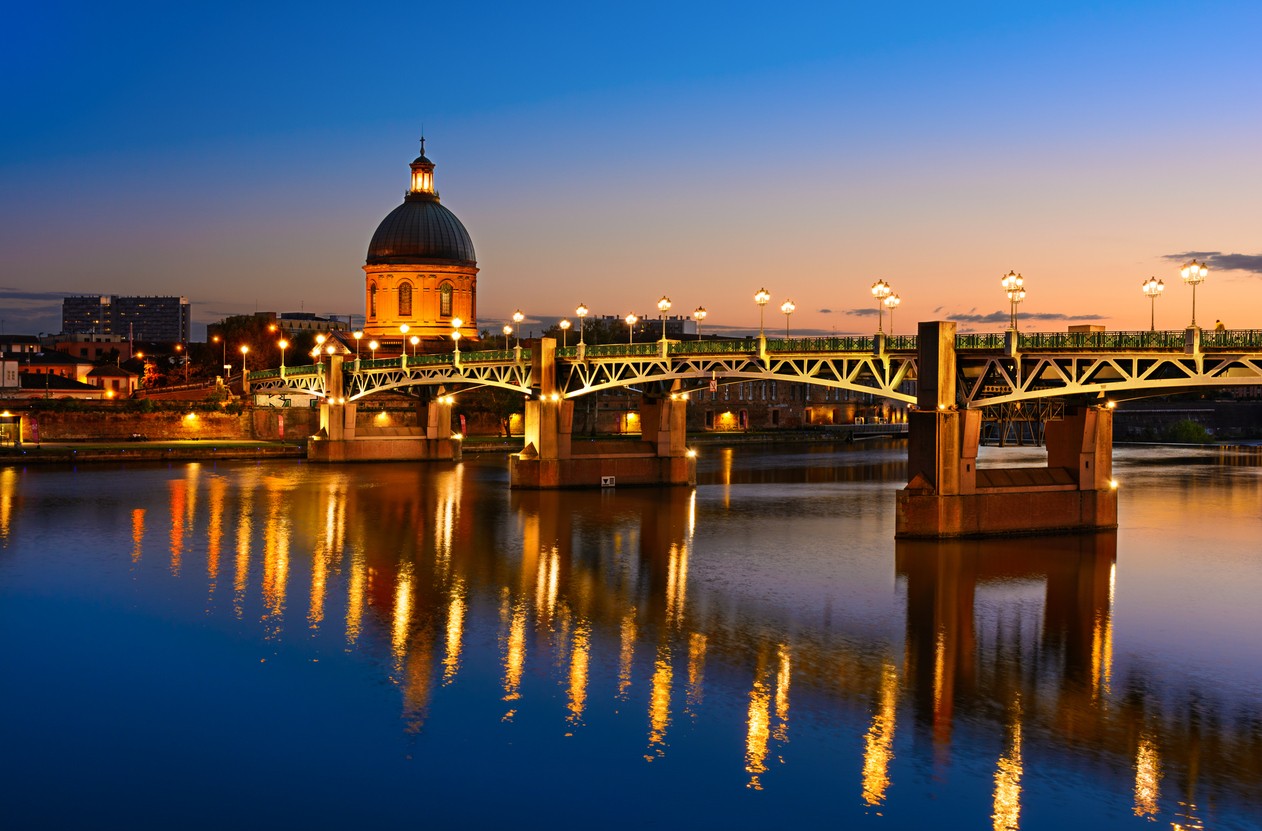
Photo: It is precisely the blend of everyday life in the south of France, art and a pioneering spirit that makes the ‘Ville Rose’ a city destination that feels familiar yet still holds surprises.
Toulouse is easily accessible from Switzerland by plane and train. Once there, long-distance transport, local public transport and sustainable transport options are well integrated; in the compact city centre, you won’t need a car.
Travelling by plane: Direct flights currently connect Toulouse with Geneva and Basel-Mulhouse, some of which are seasonal. A shuttle bus runs from Toulouse-Blagnac Airport to Matabiau railway station in around 25 to 45 minutes.
Travelling by train: From Geneva, the fastest connections, including a change, take around seven hours. From Basel or Zurich, the route and journey time vary more considerably; the destination is the centrally located Toulouse-Matabiau railway station. Direct trains from Matabiau run to destinations including Albi, Carcassonne, Montpellier, Bordeaux and Paris – ideal for day trips and round trips.
Getting around on foot: Capitole, Saint-Sernin, Carmes and the Garonne are all close together. You can also reach Saint-Cyprien easily via the Pont Neuf.
Metro and bus: Lines A and B, as well as numerous buses, serve other neighbourhoods. The Tisséo route planner is useful for getting to Cité de l’espace, Halle de La Machine or Blagnac.
Bikes and e-scooters: VélôToulouse offers traditional and electric hire bikes at numerous stations via its app. The paths along the Garonne and the Canal du Midi are ideal. There is currently no comparable city-wide free-floating service for e-scooters.
Ships and boats: Seasonal sightseeing cruises operate on the Garonne and the canals. Small electric boats can be hired without a boat licence; availability depends on the season and water levels.
Hiring a car is particularly worthwhile for visiting vineyards and rural destinations outside the city, but not for the sights in the centre. If you’re staying in the city centre, you can start most days on foot and, depending on your destination, easily switch to the metro, bus, bike or boat.
Conclusion: The most beautiful aspects of Toulouse are often found between the well-known sights: in the warm light on the brick façades, in the hubbub of the markets or during an evening by the Garonne. In the ‘Ville Rose’, everyday life in the south of France, centuries-old history and a modern pioneering spirit come together – a combination that makes Toulouse approachable, vibrant and full of surprises.

© Swiss Bankers 2026


 Compare cards and conditions

