


Important information:
Am 10. April 2024 wurden das Kundenportal sowie der Web-Zugriff auf das Kartenkonto eingestellt. Bitte laden Sie die Swiss Bankers App herunter, um weiterhin uneingeschränkten Zugriff auf alle Dienste zu haben.
Are you a Swiss Bankers sales partner?
Hier geht es zum Partnerportal.
Aix-en-Provence in France combines southern elegance with the scent of lavender, fresh pastries and sun-drenched alleyways. Between the Cours Mirabeau, shaded squares, fountains and colourful markets, Provence is at its most stylish here. In this article, you’ll discover the most beautiful markets, restaurants and day-trip ideas for relaxing days in and around Aix-en-Provence.
 22.06.2026
 Eliza
Eliza
Contents:
Neighbourhoods in Aix-en-Provence: the Old Town, Mazarin and Cours Mirabeau
Markets in Aix-en-Provence: colours, scents and that Provençal feel
Around Aix-en-Provence: Activities & day-trip ideas with Provençal flair
Hotels in Aix-en-Provence: Stylish accommodation in the heart of the city
Climate, light and season: the best time to visit Aix-en-Provence
Getting Around & Travel: Relaxed and flexible travel in Aix-en-Provence
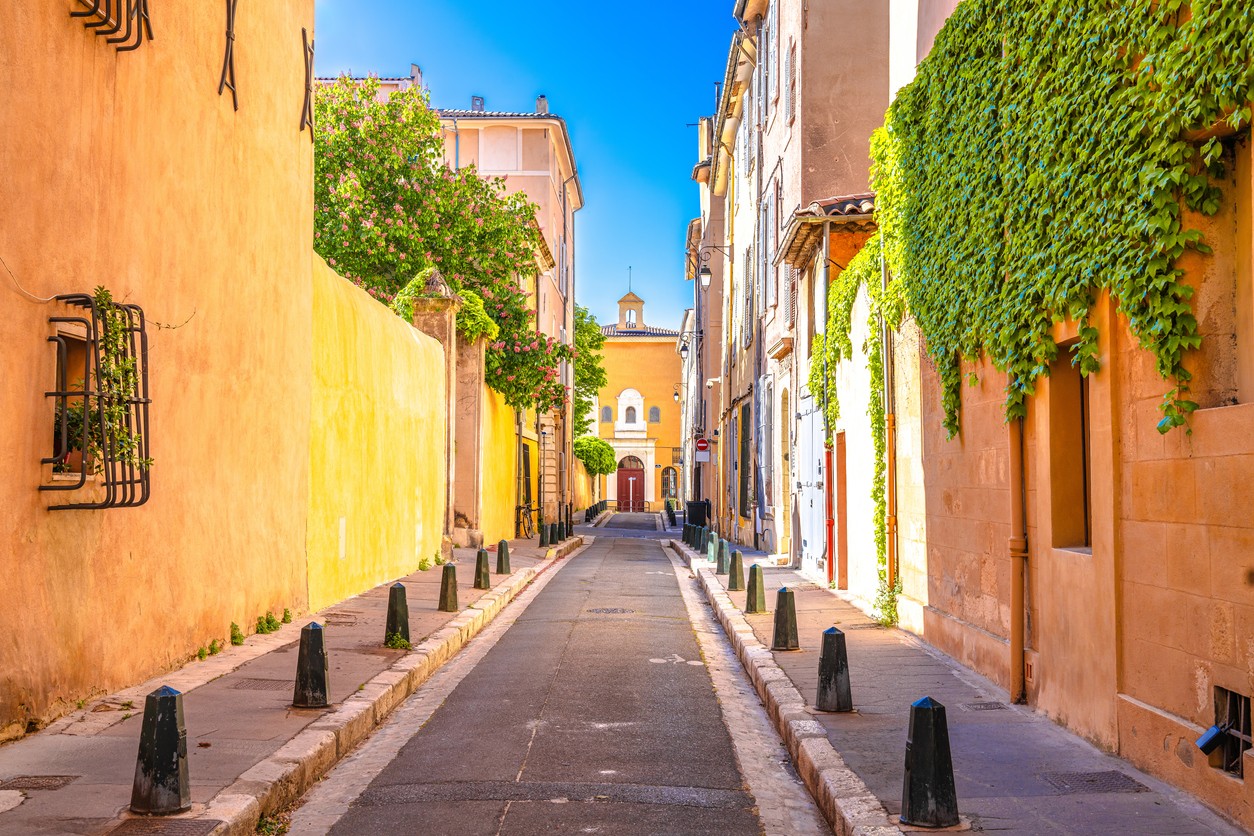
Photo:
Aix-en-Provence has an atmosphere that lingers long in the memory: the grand plane trees that characterise this Provençal town so well, the cafés in the small squares, the bright light and that light, almost buoyant mood that hangs over the town. Perhaps it is precisely this atmosphere that explains why Paul Cézanne lived and painted here, capturing the landscape around Aix-en-Provence time and again. The city feels elegant, yet not aloof; lively, yet rarely noisy.
The Cours Mirabeau forms something of an elegant main thoroughfare through Aix-en-Provence. The wide avenue, with its plane trees, fountains, cafés and historic façades, connects the old town in the north with the Mazarin district in the south. Here, you can sit on a terrace, drink a coffee and simply let the city pass you by – a small art that comes surprisingly easily in Aix.
To the north of the Cours Mirabeau lies the old town, with its narrow streets, lively squares and small shops. A stroll across Place Richelme, on to Place de l’Hôtel de Ville and Saint-Sauveur Cathedral, is particularly lovely. This neighbourhood is especially charming in the morning, when the market stalls are being set up, the cafés are slowly filling up and the city settles into its own rhythm.
To the south of the Cours Mirabeau lies the Mazarin district, which has a quieter, more orderly and somewhat more refined feel. It was established in the 17th century as an elegant new district and is still characterised today by city mansions, clear street layouts and quieter squares. The Fontaine des Quatre-Dauphins is particularly beautiful; the neighbourhood around it seems almost a little otherworldly. The Caumont Centre d’Art also fits in well with this atmosphere: artistic, cultured and somewhat more secluded than the old town.
Anyone visiting Aix-en-Provence for the first time should therefore make time for both sides of the city: the lively old town and the quiet, very stylish Mazarin district. It is precisely this contrast that gives Aix its charm – between the hustle and bustle of the markets and cafés, elegant façades, quieter streets and the special light of Provence.
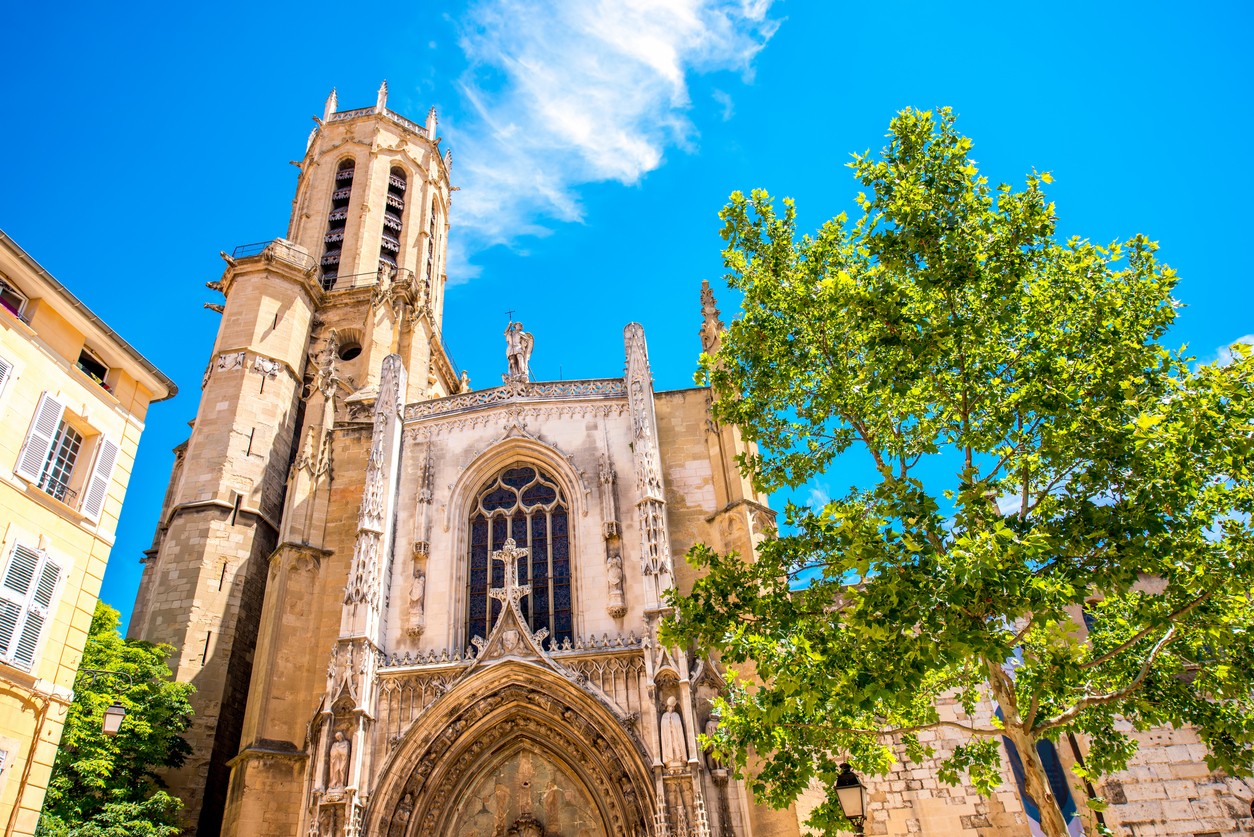
Photo: One of the most famous sights in Aix-en-Provence is Saint-Sauveur Cathedral.
Aix-en-Provence is closely associated with Paul Cézanne. The painter was born here, worked in the surrounding area and found one of his most important subjects in the Montagne Sainte-Victoire. As you stroll through the city, you’ll encounter his influence not only in museums and memorial sites, but also in the unique light that falls upon the façades, plane trees and squares. Fountains, churches, town mansions and tranquil gardens also help to define the character of Aix-en-Provence.
The most beautiful sights in Aix-en-Provence:
Atelier des Lauves: Paul Cézanne’s former studio is one of the city’s most personal places. In this house, situated just outside the city centre, visitors can experience familiar objects, his working materials and the tranquil atmosphere of his final creative retreat.
Musée Granet: This art museum is one of Aix-en-Provence’s most important cultural venues and displays works ranging from the Renaissance to the modern era. It is particularly rewarding for those wishing to understand Cézanne not only in biographical terms but also within the context of art history.
Caumont Centre d’Art: This elegant city mansion in the Mazarin district combines historic salons, a garden and changing art exhibitions. It fits in wonderfully with Aix, as it brings together art, architecture and the cultured tranquillity of the Mazarin district.
Saint-Sauveur Cathedral: The cathedral combines various architectural styles, giving it an organic rather than a uniform appearance. This is precisely what makes it so fascinating: it tells the story of the city’s long history without imposing itself on the foreground.
Fontaine de la Rotonde: The large fountain at the western end of the Cours Mirabeau is one of the city’s most striking landmarks. It serves as a reminder of just how much Aix-en-Provence is shaped by water, fountains and public spaces.
Pavillon de Vendôme: The pavilion, with its French garden, is a peaceful spot set slightly apart from the liveliest thoroughfares. It’s ideal for a short break between exploring the old town, visiting a museum and stopping for a coffee – and reveals an elegant, almost intimate side to Aix-en-Provence.
Those with more time can delve even deeper into Cézanne’s legacy, for example with a visit to the Bastide du Jas de Bouffan or a trip towards Montagne Sainte-Victoire. Another special insider tip is the ‘Zola, Aix et Plassans’ guided tour, which explores Émile Zola’s early years in Aix and his friendship with Cézanne. In this way, the sights of Aix-en-Provence come together to form a bigger picture: that of a city where art, literature, light and landscape are unusually closely intertwined.
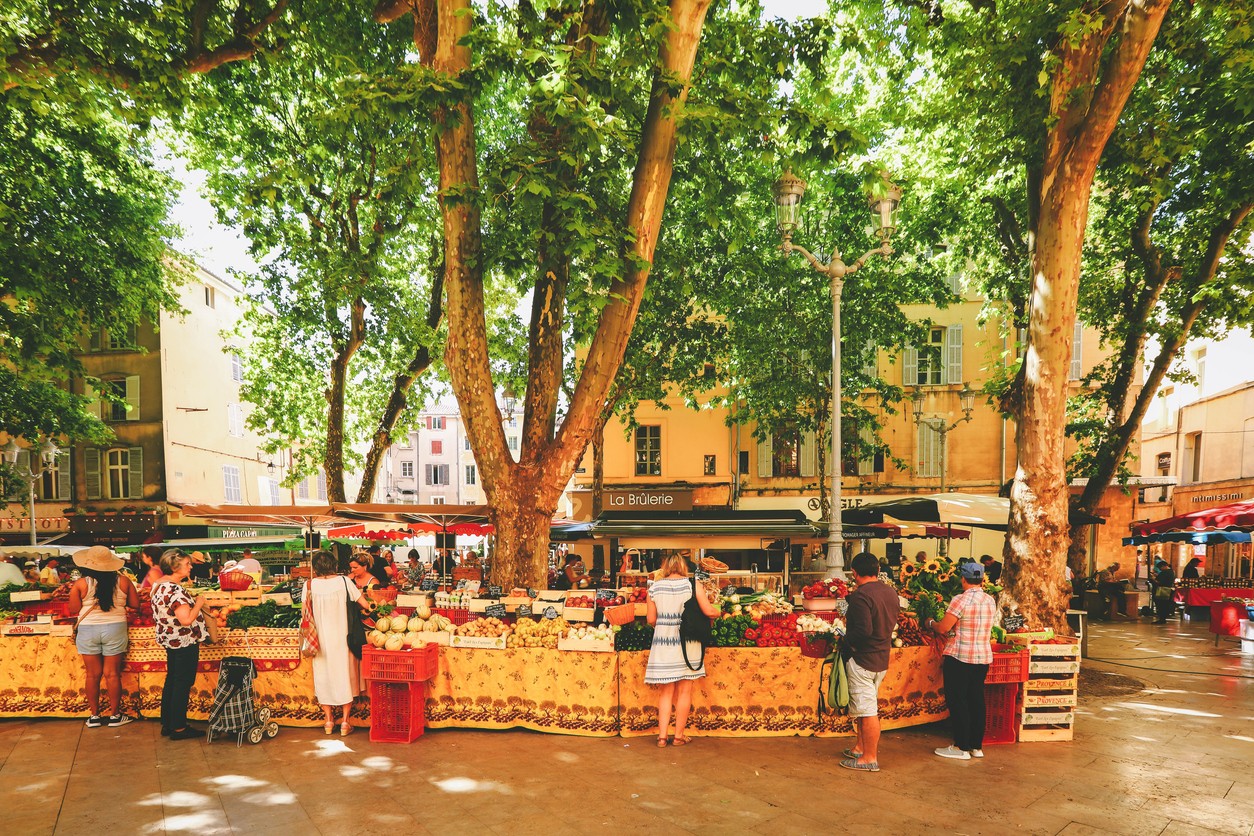
Photo: The markets in Aix-en-Provence are a feast for the senses: baskets full of tomatoes, olives, herbs, flowers, cheese, soaps, fabrics and ceramics.
The markets are among the best reasons to visit Aix-en-Provence. They are not just places to shop, but little stages of everyday life: baskets full of tomatoes, olives, herbs, flowers, cheese, bread, soaps, fabrics and ceramics. If you arrive early, you’ll experience the markets at their most atmospheric – the air is still pleasant, the stalls have just been set up, and for a moment the city feels almost like a village.
The food market at Place Richelme is particularly lovely. A market is held here every day, where local producers sell fruit, vegetables, cheese, bread, olives, honey and other specialities. All around, locals and travellers sit in the cafés, sipping an espresso and watching the morning hustle and bustle.
On several days a week, the market scene becomes even livelier. On Tuesdays, Thursdays and Saturdays, additional stalls are spread across the city, including around the Cours Mirabeau, the Places Comtales and the Place de Verdun. As well as food, you’ll also find textiles, arts and crafts, antiques, flowers and regional produce.
The flower market is also lovely; depending on the market day, it takes place at the Place de l’Hôtel de Ville or the Place des Comtales. Amidst colourful bouquets, plants and historic façades, Aix-en-Provence shows off a particularly photogenic side, without ever seeming contrived. A little tip: if possible, plan your visit to the market for the morning. It gets busier around midday, and many stalls are even starting to pack up by then.

Photo: The most famous day trip from Aix-en-Provence is to Montagne Sainte-Victoire.
Aix-en-Provence is a wonderful base for exploring Provence. The most famous excursion takes you to Montagne Sainte-Victoire. The pale limestone ridge rises to the east of the town and was one of Cézanne’s favourite subjects. Today, the area is ideal for hikes, walks, e-bike tours and scenic viewpoints. A visit in the morning or late afternoon, when the light softens, is particularly lovely.
The vineyards around Aix-en-Provence are also well worth a visit. One specific recommendation is Château Bonisson in Rognes, where wine, olive oil, honey and contemporary art come together. If you’d rather not drive yourself, you can book a guided half-day tour from Aix-en-Provence to the Côtes de Provence Sainte-Victoire wine region – including visits to two vineyards and several tastings.
Marseille is ideal for a day trip and reveals a completely different side to the south of France. The port city is considerably larger, livelier and rougher around the edges than Aix-en-Provence – it is precisely this contrast that makes a visit so exciting. The Old Port is the historic heart of the city, Le Panier is the oldest quarter with its narrow alleyways and colourful façades, whilst the Mucem, a modern museum by the sea, combines architecture, culture and views of the Mediterranean.
Another wonderful day-trip destination is the Calanques between Marseille, Cassis and La Ciotat. The light-coloured rocky coves, the turquoise water and the steep coastlines are impressive even from above, for example whilst hiking or from viewing points. If you’d like to experience the landscape from the water, you can also plan a boat trip from Marseille or Cassis, depending on the season.
If you have more time, you can also head towards the Luberon. The villages, markets and landscapes around places such as Lourmarin, Bonnieux and Roussillon reveal yet another side of Provence: more rural, more expansive and more strongly characterised by nature, colours and narrow streets.
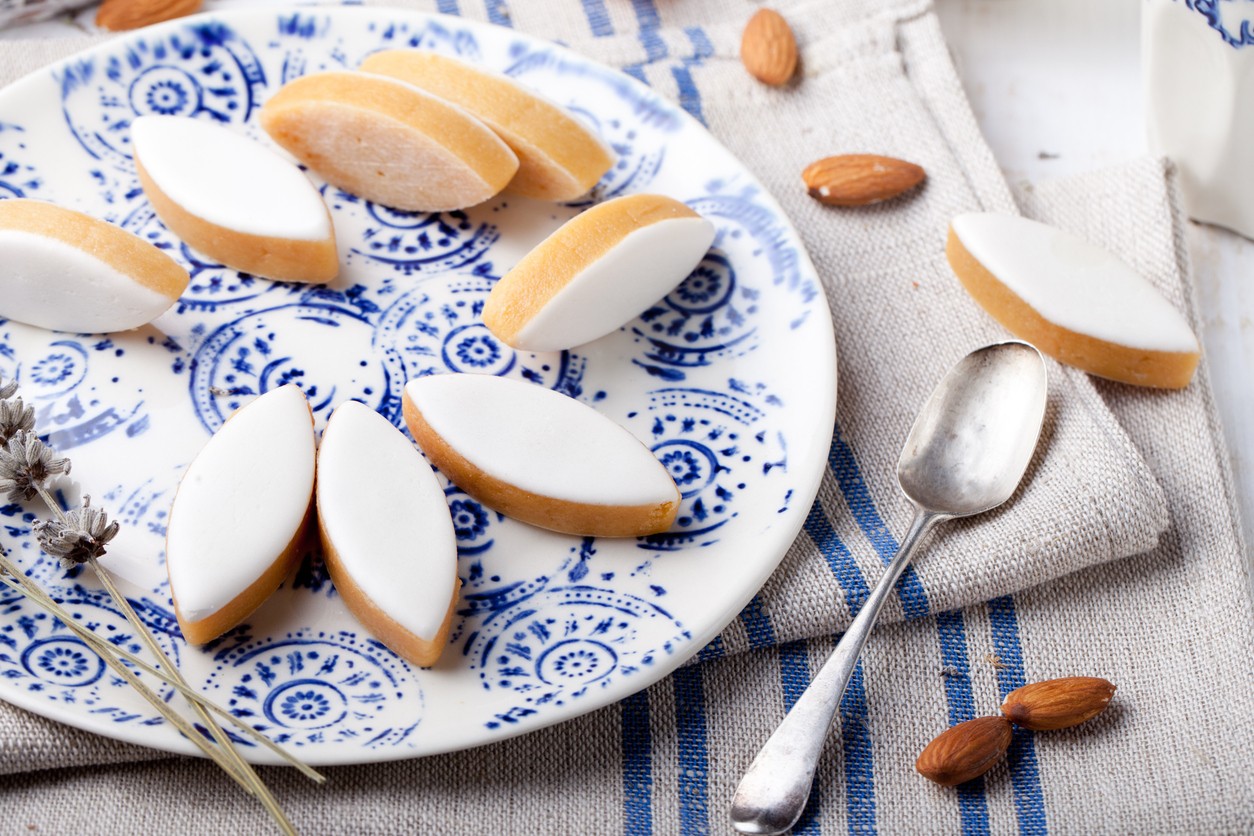
Photo: Typical of the region around Aix-en-Provence are olive oil, herbs, vegetables, goat’s cheese, ratatouille, tapenade, Provençal rosé and, of course, the famous Calissons d’Aix.
Culinary-wise, Aix-en-Provence is a place that combines market-fresh produce, southern French cuisine and little moments of indulgence. Typical of the region are olive oil, herbs, vegetables, goat’s cheese, ratatouille, tapenade, Provençal rosé and, of course, the famous Calissons d’Aix. This almond-shaped sweet, made from almonds, candied melon and orange, is one of the city’s classics.
For coffee, breakfast or a relaxed brunch, Kava is a lovely spot in the centre. If you’d like to discover the city’s sweet side, do pop into Maison Weibel: this traditional patisserie is renowned for its pastries, calissons, ice cream and chocolate – ideal for a quick break or a souvenir from Aix-en-Provence.
Gallifet Kitchen is particularly well-suited for a stylish lunch. This seasonal garden restaurant is part of the Gallifet Art Centre in the Mazarin district and beautifully combines local produce, art and the Provençal atmosphere. In the evening, Le Vintrépide is a good choice if you’re looking for a sophisticated yet relaxed restaurant serving seasonal cuisine and a fine selection of wines.
For a glass of wine or a relaxed aperitif, La Méduse fits perfectly into the city’s culinary scene. The wine bar is situated in the heart of Aix-en-Provence and combines a selection of wines with Mediterranean cuisine – ideal as the day slowly turns into evening.
There are also two lovely additional recommendations for plant-based cuisine in Aix-en-Provence. La Cabane en Ville is a highly rated vegan restaurant in the old town, which stands out for its cosy atmosphere and thoughtful décor. La Plume Végétale serves creative, homemade plant-based cuisine, complemented by a unique, floral ambience.
After a day spent exploring markets, museums and the narrow streets of the old town, it’s lovely to stay somewhere that captures the tranquil rhythm of Provence. In Aix-en-Provence, you’ll find plenty of stylish and charming hotels – from central boutique hotels to relaxed establishments with gardens, swimming pools or a little more space.
The finest hotels in Aix-en-Provence:
Boutique Hôtel Cézanne: This boutique hotel is centrally located and ideal for anyone wishing to explore Aix-en-Provence mainly on foot. The atmosphere is modern, well-maintained and pleasantly understated.
Hôtel Saint Christophe: The hotel is just a few steps from the Cours Mirabeau and combines a central location with contemporary design. It’s particularly handy for a hassle-free city break with everything within easy reach.
Appart’hôtel Odalys City Aix-en-Provence Centre Palais des Congrès: This aparthotel is close to the city centre and offers studios and apartments with a homely feel. It’s well suited to longer stays or trips where a little more independence is welcome.
Aquabella Hôtel & Spa: Situated on the edge of the old town, this hotel offers a relaxing retreat in a central location, complete with a garden, swimming pool and spa area. It’s a great choice if you’d like to combine your city break in Aix-en-Provence with some relaxation and wellness.
Maison Dauphine: This small accommodation in the Mazarin district offers apartments in elegant surroundings. It’s particularly lovely for travellers who want a bit more space and like to feel a little bit at home.
If you’re keen to experience the markets, restaurants and cultural attractions in the city centre, staying near the old town is the ideal choice. For quieter days spent in the garden, by the pool or at the spa, it’s worth looking at accommodation on the outskirts of the old town; for greater flexibility, an aparthotel is a lovely alternative.
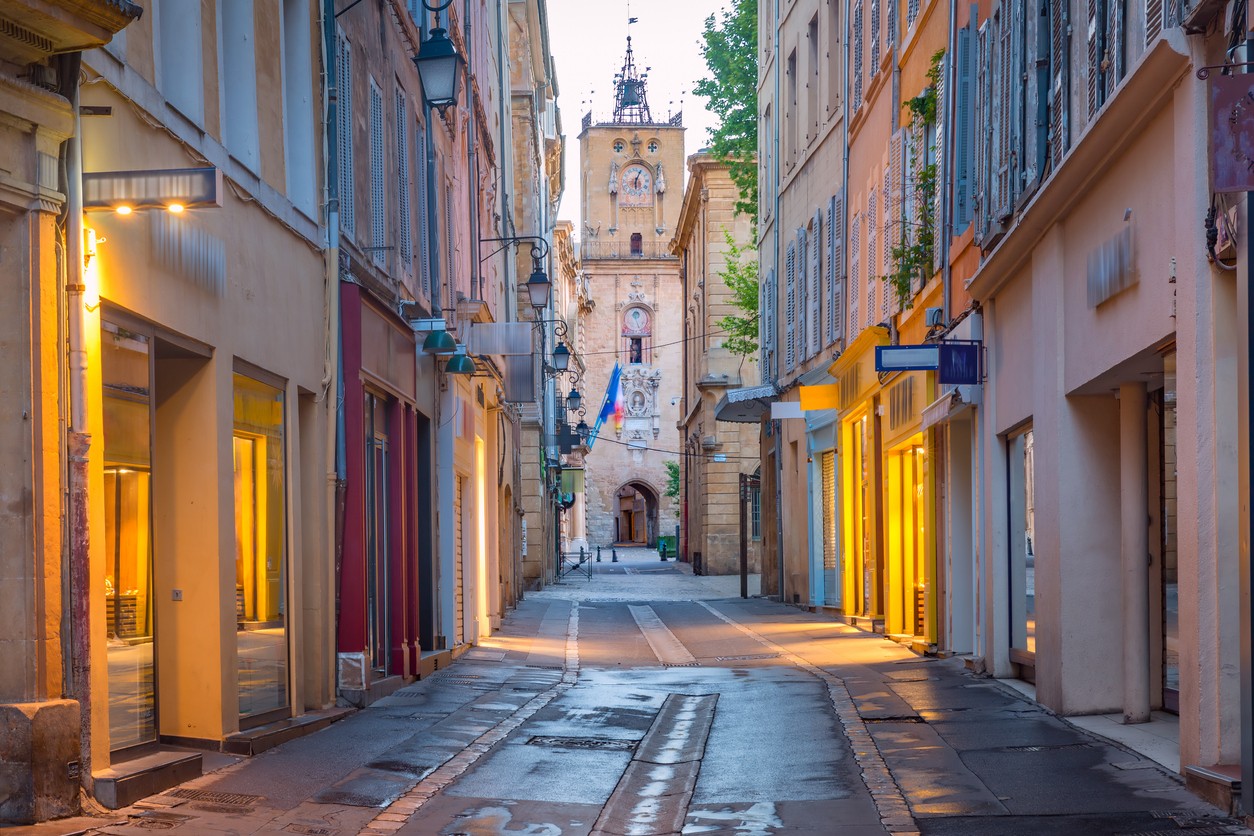
Photo: Aix-en-Provence has a mild, southern climate with plenty of sunshine, dry summers and relatively mild winters.
Aix-en-Provence enjoys a mild, southern climate with plenty of sunshine, dry summers and relatively mild winters. Spring and autumn are particularly pleasant: the city is bustling at this time of year, but it’s usually not as hot as in the height of summer, and you can easily combine a visit to the markets and cafés with a leisurely stroll.
Spring: In April and May, Aix-en-Provence is at its most carefree. Temperatures are pleasant, the markets are fresh and colourful, and day trips to Montagne Sainte-Victoire or the surrounding villages are well worth it.
Summer: In July and August, it often gets hot and is noticeably busier, particularly on market days and around popular squares. On the other hand, the evenings offer plenty of that southern French atmosphere, with packed terraces and cultural events such as the Festival d’Aix-en-Provence.
Autumn: September and October are ideal if you enjoy warm light, quieter streets and pleasant temperatures. Autumn is also a lovely time to visit vineyards, markets and go on excursions into Provence.
Winter: In the off-season, Aix-en-Provence is quieter and ideal for art, museums, cafés and strolls without the crowds. Whilst it isn’t always warm, the city retains its charm even in winter.
If you can be flexible with your travel dates, you’ll often find a more relaxed atmosphere outside the peak season – and frequently cheaper prices for trains, flights or accommodation. So it’s worth paying almost as much attention to your travel arrangements as to the calendar.
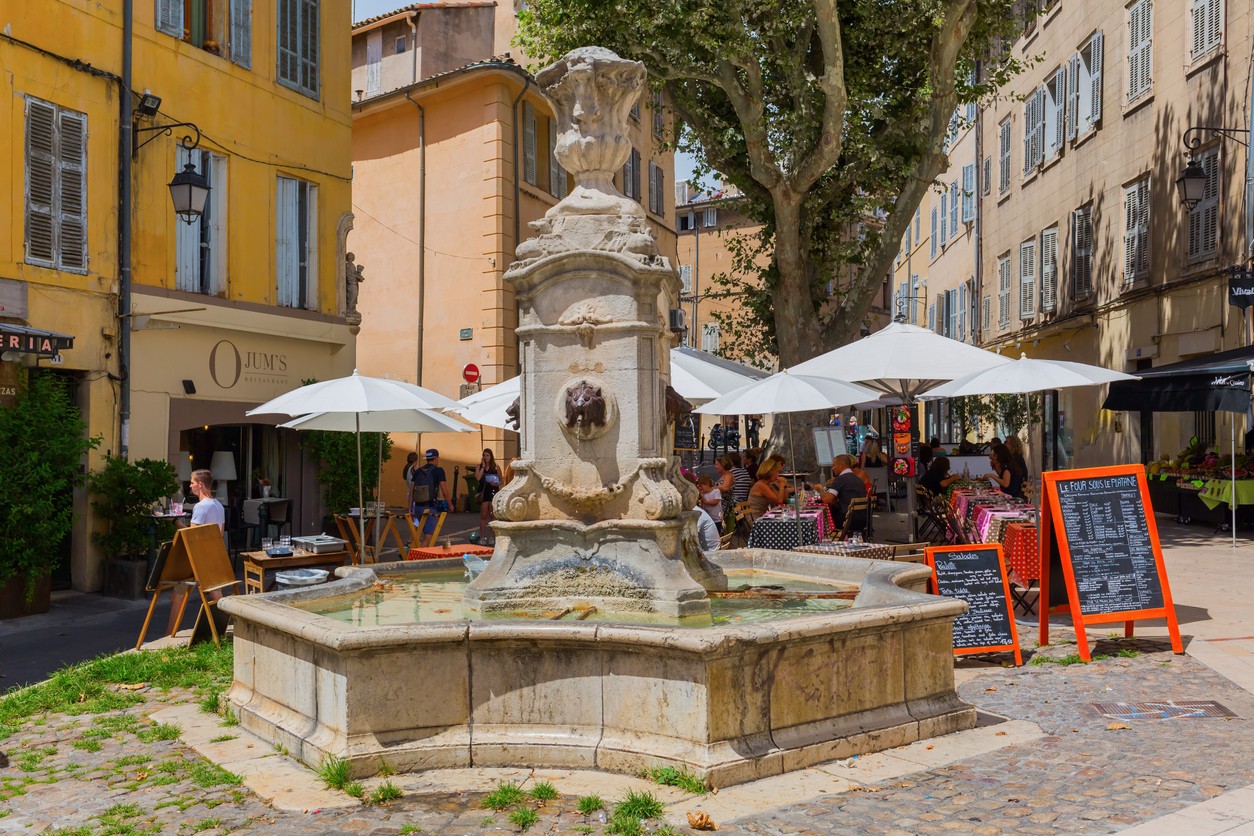
Photo: The Old Town, the Cours Mirabeau, the Mazarin district and many markets are all well worth exploring on foot.
Aix-en-Provence is ideally situated between the city, the countryside and the Mediterranean: close enough to Marseille, well connected to the TGV and, at the same time, an ideal base for exploring Provence. Once there, much of the city can be explored on foot, whilst buses, regional trains, shuttles and a hire car offer additional freedom depending on your itinerary.
Travelling by train: Aix-en-Provence has a TGV station just outside the city centre as well as a station in the city centre. Regular shuttle buses run from the TGV station to the bus station in the city. From Switzerland, it is usually possible to travel here with one change, for example via Lyon or Marseille.
Travelling by car: Travelling by car gives you flexibility, especially if you wish to visit Montagne Sainte-Victoire, vineyards, smaller towns in Provence or the Luberon. Parking spaces are limited in the city centre itself, so multi-storey car parks or accommodation with on-site parking are convenient.
Travelling by plane: The nearest major airport is Marseille Provence. From there, you can reach Aix-en-Provence by shuttle, bus, taxi or hire car. For a city break only, you don’t necessarily need a car once you’re there.
Buses, trains & transport: Aix-en-Provence has a local bus network that also serves a number of surrounding areas. For Marseille, the TER service from the city centre station is particularly convenient; for the TGV station, the airport or certain day-trip destinations, regional bus and shuttle services are useful. For more remote villages or vineyards, a hire car is often more convenient.
Getting around on foot: The old town, the Cours Mirabeau, the Mazarin district and many markets are ideal for exploring on foot. Comfortable shoes are still a good idea, though, as cobblestones, gentle inclines and long walks are almost inevitable in Aix-en-Provence.
If your main aim is to experience Aix-en-Provence, its markets, restaurants and cultural attractions, you’ll get by just fine without a car. For nature spots, vineyards and smaller towns in the surrounding area, however, it’s worth planning flexibly – depending on the route, by bus, regional train, guided tour or hire car.
Conclusion: Aix-en-Provence is a destination for anyone wishing to combine pleasure, culture and a relaxed city life. Between the Cours Mirabeau, Place Richelme, tranquil courtyards and excursions to the Montagne Sainte-Victoire, an atmosphere emerges that feels warm, elegant and unhurried. Those who take their time will discover Aix-en-Provence not only through its markets, restaurants and suggested excursions, but above all in the little moments in between.

© Swiss Bankers 2026


 Compare cards and conditions

