


Important information:
Am 10. April 2024 wurden das Kundenportal sowie der Web-Zugriff auf das Kartenkonto eingestellt. Bitte laden Sie die Swiss Bankers App herunter, um weiterhin uneingeschränkten Zugriff auf alle Dienste zu haben.
Are you a Swiss Bankers sales partner?
Hier geht es zum Partnerportal.
When Japan bursts into bloom in delicate shades of pink and white, the most iconic travel season of the year begins: Sakura. The cherry blossom transforms the country into a brief, magical spectacle. As the blossom season is short, it’s worth planning ahead. In this article, you’ll find out when and where the sakura is at its most beautiful, how to plan your trip around the blossom season, and what lies behind the tradition of hanami.
 01.02.2026
 Miryana
Contents:
Hanami literally means ‘flower viewing’ – but in Japan, it is much more than just a stroll in the park. When the sakura blossoms, the country noticeably slows down: colleagues meet up under the trees after work, families unpack their bento boxes, groups of friends spread out their picnic blankets – and everywhere there’s this special mix of anticipation, light-heartedness and enjoyment in the air.
What makes the cherry blossom so special is its transience: often, the perfect window for viewing the blossoms lasts just a few days. That is precisely what makes the sakura so moving – a fleeting moment that you experience consciously, rather than putting it off to ‘sometime later’. For travellers, hanami is therefore the most beautiful way not just to see Japan, but to feel it: seasonal, communal and with an appreciation for the small, fleeting highlights.
This is precisely where Japan takes many travellers by surprise: amidst futuristic train stations, high-tech toilets and a perfectly timed daily routine, there is also a very practical reality – cash remains the most straightforward option in many situations.
Particularly during the sakura season, when you’re out and about a lot, eating spontaneously at street stalls or buying little things, having a supply of yen makes all the difference: Sakura snacks such as mochi, dango or yakitori are often paid for in cash, and at temples, shrines and gardens, too, small entrance fees or omikuji/souvenirs are often easiest to pay for with cash. What’s more, if you’re travelling away from the major cities – for example, to onsen regions or smaller towns – card payments aren’t guaranteed everywhere. With cash, you stay flexible and relaxed, no matter where you’re enjoying hanami.
A stress-free start: order JPY in advance via the Swiss Bankers banknote delivery service: The start of a trip is often the moment when you least want to face any hurdles: long queues at currency exchange bureaux, unclear fees or the first ticket machine that doesn’t work as expected. With the Swiss Bankers Banknote Delivery service, you can conveniently order your Japanese yen (JPY) from home before you set off – and arrive feeling confident that you’re well prepared for the first few days: from your first transfer to a spontaneous hanami picnic.
How to hand over money correctly: In Japan, cash and cards are often handed over on a small tray. If one is available, use it – this is considered polite and is standard practice in everyday life. If there is no tray, hand over cash or a card with both hands (and accept it in the same way).
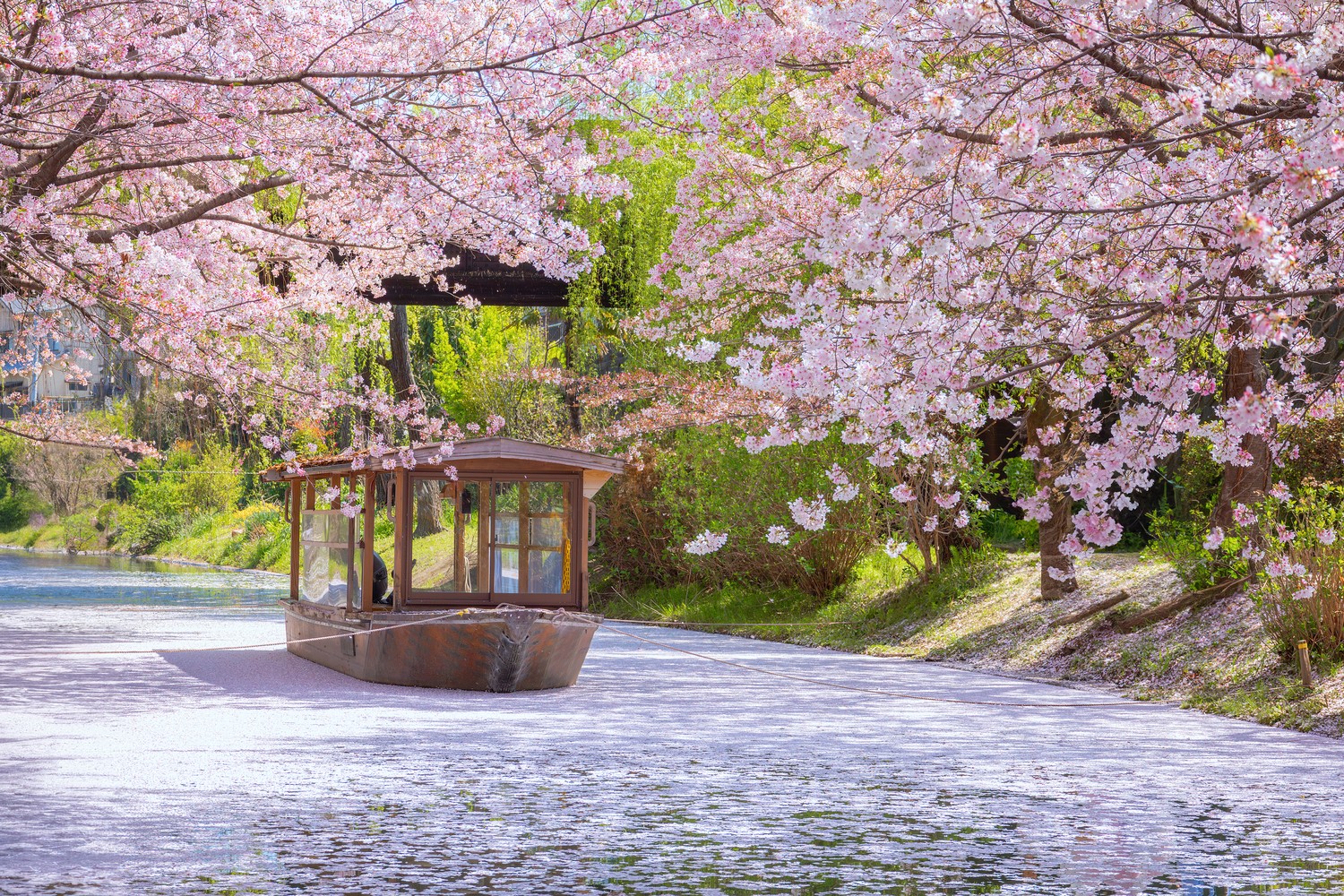
Photo: A romantic boat trip in Fushimi: Jikkokubune boats beneath the cherry blossoms in Kyoto.
To help you plan your trip to see the sakura in 2026 as accurately as possible, there is already a very helpful guide: On 22 January 2026, the Japan Meteorological Corporation (JMC) published its updated cherry blossom forecast (start of flowering and peak bloom). The sakura ‘moves’ like a wave from south to north – so the timing may vary slightly from region to region. These figures serve as a practical guide for planning flights, hotels and your itinerary – although minor delays of a few days are still possible due to weather conditions.
2026 Forecast (bloom / full bloom):
Extra tip for when you’re out and about: if you’d like to keep track of the blossom’s progress on a daily basis, the ‘Sakura Navi’ app (by JMC) is well worth a try. It shows forecasts for around 1,000 locations and the progress towards full bloom (“Flowering Meter”) – handy if you want to change your plans at short notice or catch the best hanami parks at just the right moment.
If you’d like to get a quick overview before your trip, you’ll find all the key information on entry requirements, safety, health, payment methods and practical tips for your travels on our country information page for Japan.”
Rather than asking ‘Which city first?’, a better question is: in which region would you like to experience the blossom – early in the south, at the height of the season, or at a more leisurely pace later in the north?
Kanto: Kanto is the region for anyone who wants to combine cherry blossom viewing with efficient sightseeing: excellent infrastructure, plenty of spots, and extremely easy to plan. Tokyo reveals a surprisingly gentle side during the cherry blossom season – from riverside strolls to the evening light reflecting off the moats. You’ll find even more inspiration and practical planning tips in our blog post about Tokyo. The perfect spot for cherry blossoms: Chidorigafuchi (Imperial Palace Moat) – cherry blossoms by the water, particularly atmospheric in the evening – one of the most beautiful ‘Tokyo suddenly turns romantic’ moments.
Northern Japan (Tohoku/Hokkaido): If you’re only able to travel later – or want to deliberately avoid the crowds – northern Japan is well worth a visit. The blossoms arrive later there, often in a much more relaxed atmosphere. Perfect cherry blossom spot: Hirosaki Park (Aomori, Tohoku) – one of Japan’s most famous spots, with over 2,500 trees surrounding the castle grounds.
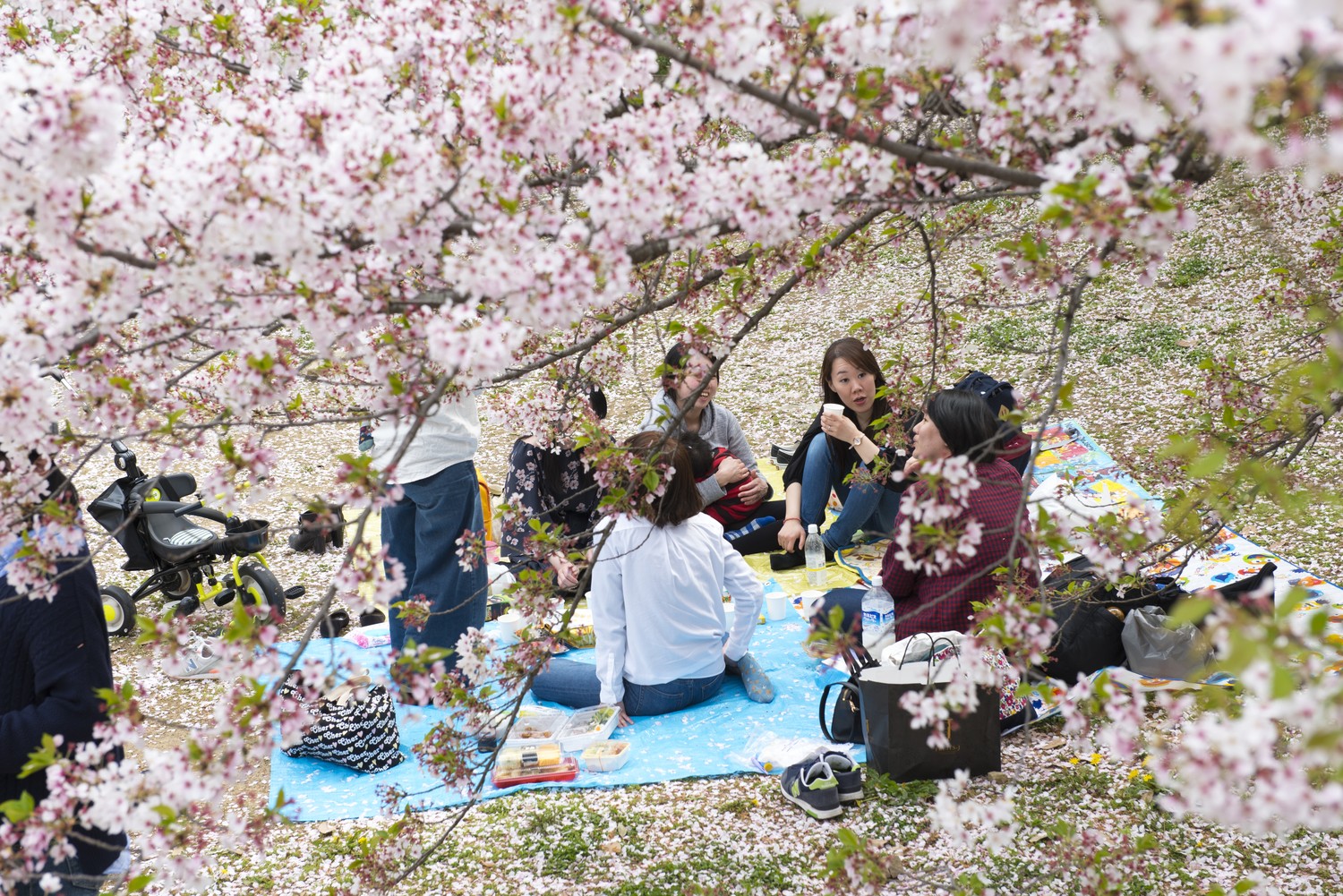
Photo: A Hanami picnic beneath blossoming sakura trees.
The cherry blossom season is the perfect time to visit Japan – but you’ll get the most out of it if you don’t just tick off ‘the best spot’, but immerse yourself in the atmosphere of the sakura: with good food, little traditions and experiences that are unique to a Japanese spring.
Limited editions: Spring to savour (and take away): During the sakura season, limited-edition spring products can be found everywhere – from sakura snacks to special-edition drinks. Small change comes in particularly handy for spontaneous purchases at kiosks or vending machines.
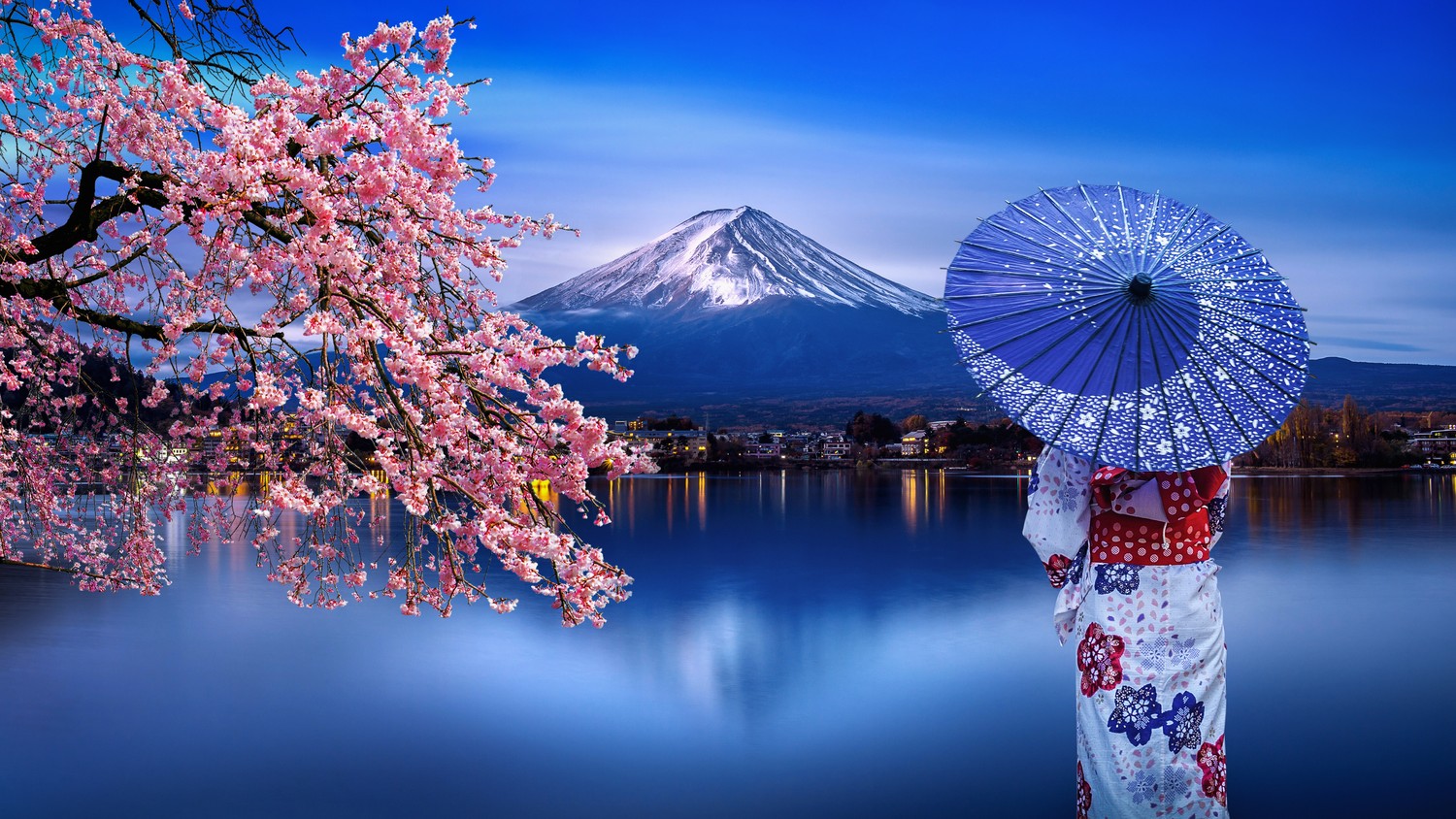
Photo: Cherry blossoms at Lake Kawaguchiko – with a view of Mount Fuji.
Hanami is a joyful yet deeply rooted ritual. By following these simple rules, you’ll show respect for nature and your hosts – and immediately feel part of the community.
The Golden Rules (Do’s):
Things to avoid (Don’ts):
Sakura 2026 is a short, magical travel highlight – and, with the right planning, a completely stress-free experience. Make use of the forecast, think in terms of regions along the cherry blossom wave, and choose one or two standout spots per city. If you really embrace the hanami experience – a picnic in the park, the evening atmosphere beneath the blossoms, perhaps a ryokan or onsen – the trip will be more than just ‘viewing the cherry blossoms’.
And a practical tip: it’s worth having a small supply of yen to hand whilst you’re out and about, especially for market stalls and small fees. If you want a stress-free start, it’s best to order JPY cash in advance via the Swiss Bankers banknote delivery service.

© Swiss Bankers 2026


 Compare cards and conditions

